

2026-08-05
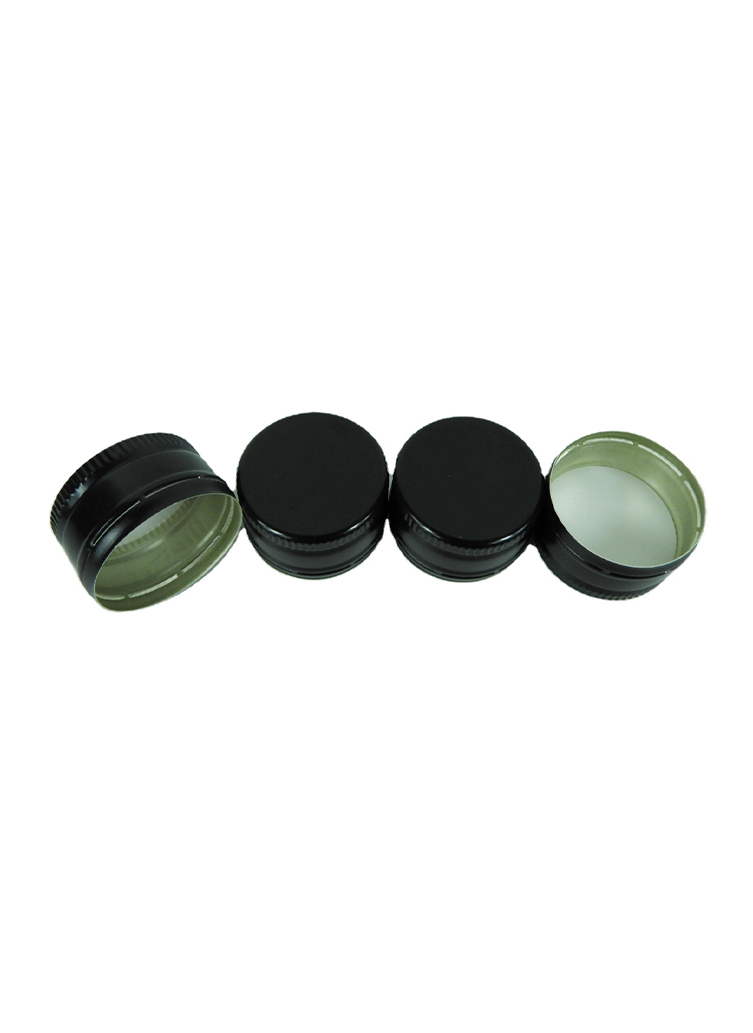
Opening a bottle of cola or soda—smoothly twisting off the aluminum alloy cap—has become a part of everyday life. Yet, many are unaware that this seemingly simple cap for carbonated beverages demands exceptionally high material performance standards.
Unlike standard drinking water caps, those for carbonated drinks must withstand the high internal pressure generated by carbon dioxide gas during prolonged storage. They must also meet multiple requirements, including compatibility with high-speed production lines, suitability for long-term food storage, and ease of opening and closing. Among the various metal materials available, 3105 H14 aluminum has become the preferred choice globally for carbonated beverage caps, thanks to its unique balance of properties.
I. What is 3105 H14 aluminum alloy?
3105 aluminum alloy belongs to the 3000 series (aluminum-manganese) of rust-resistant alloys and was specifically developed for packaging and sealing applications. Its core advantages include stable composition, rust and corrosion resistance, and suitability for precision forming. The key factor making it ideal for bottle caps is its H14 "half-hard" temper—a distinctive feature that sets it apart from standard 3105 aluminum alloys.
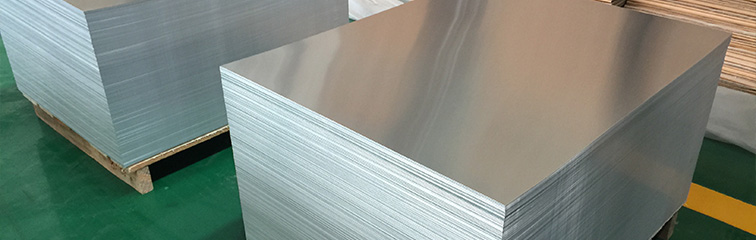
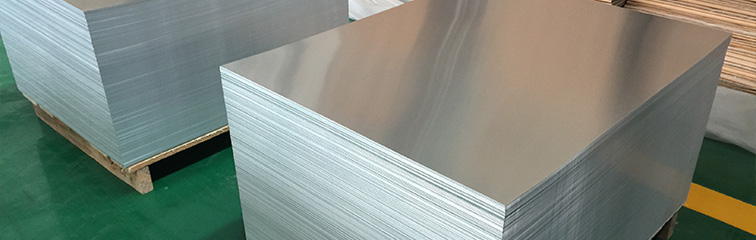
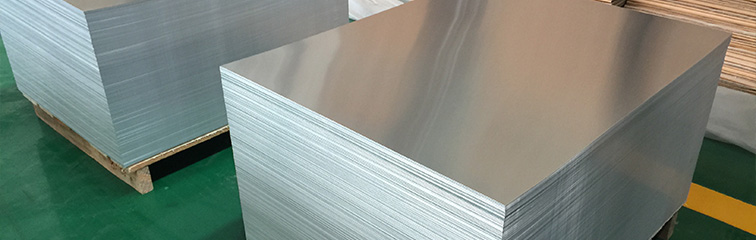
H14 represents a half-hard temper achieved through cold rolling. A specialized process combining cold-roll hardening with partial annealing allows the material to overcome the drawbacks of soft aluminum (prone to deformation) and fully hard aluminum (prone to cracking). Its mechanical properties are precisely tailored to cap requirements: a stable tensile strength of 130–160 MPa, a yield strength of ≥115 MPa, and an elongation of over 4%. This strikes a perfect balance between hardness and toughness, making it the ideal temper for carbonated beverage caps.
II. Suitability of 3105-H14 properties for application requirements
The challenges associated with carbonated beverage caps are clear: they must withstand internal gas pressure without deforming, remain easy for consumers to twist open, and be compatible with precision manufacturing processes such as high-speed stamping, curling, and flanging. 3105 H14 aluminum alloy meets all these requirements with precision.
From a manufacturing perspective, 3105 H14 aluminum alloy offers excellent toughness and superior formability. The mass production of beverage bottle caps involves multiple processes, including high-speed stamping, edge curling, sealing, and film coating/printing.
With its moderate hardness and stable ductility, the 3105 H14 alloy is perfectly suited for the continuous forming processes of high-speed production lines. The resulting caps feature smooth edges and precise dimensions with virtually no cracking or deformation, significantly reducing mass production costs.
Regarding application scenarios, the primary challenge with carbonated beverages is maintaining a seal against high internal pressure. After filling, carbon dioxide continues to release, maintaining constant internal pressure over the long term; caps made from ordinary materials are prone to bulging, deformation, seal failure, and leakage.
The 3105 H14 aluminum alloy undergoes work hardening, resulting in exceptional structural stability. It withstands prolonged internal pressure without deforming or loosening, ensuring the sealing gasket remains tightly fitted to lock in carbonation and preserve the beverage's taste and shelf life.
Additionally, its moderate hardness ensures consistent resistance when opening or closing; consumers can easily unscrew the cap without encountering issues like it being too tight to open or too loose to stay secure.
III. 3105 Aluminum Sheet Meets Rigorous Food Packaging Standards
Beyond the mechanical advantages provided by the H14 temper, the inherent material properties of the 3105 alloy make it superior to other alloys, positioning it as the optimal choice for food-grade bottle caps.
The first is its exceptional corrosion resistance. Carbonated beverages are mildly acidic, which can cause slight corrosion to cap materials during long-term storage. The 3105 aluminum-manganese alloy offers excellent rust and acid/alkali corrosion resistance; it does not react chemically with carbonated drinks, releases no heavy metals, and does not taint the flavor. It fully complies with safety standards for food-contact materials and is suitable for long-term storage at room temperature.
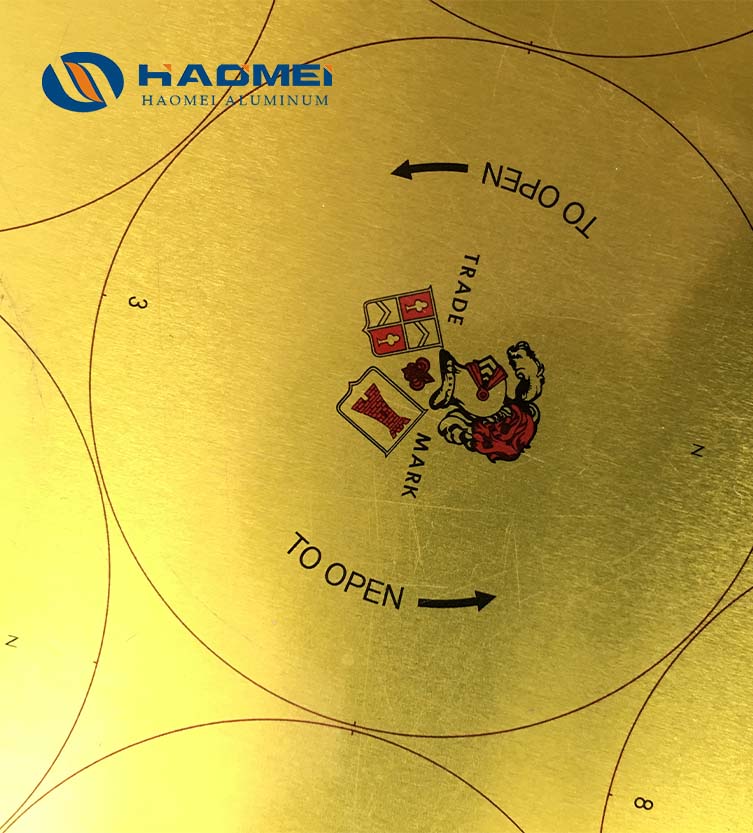
The second is its superior surface processing capability. The 3105 H14 aluminum sheet features a smooth, fine, and uniform surface, offering excellent adhesion for coatings and printing. Brand logos, anti-counterfeiting patterns, and protective coatings adhere firmly to the aluminum surface; post-forming, there are no issues with paint chipping, delamination, or blurred designs. This ensures aesthetic appeal while the protective coating further enhances corrosion and oxidation resistance, thereby extending the product's shelf life.
Furthermore, the material's lightweight and recyclable nature aligns with the beverage industry's need for large-scale, eco-friendly development. Compared to steel caps, 3105 H14 aluminum alloy is lighter—reducing transportation costs—and is 100% recyclable. Its outstanding environmental credentials make it ideal for the industry's high-volume, standardized production models.
IV. 3105 Aluminum vs. Other Aluminum Cap Stock
Common alternatives for bottle caps include 3003 and 8011 aluminum alloys as well as standard plastics, yet none can match the standing of 3105 H14. 3003 aluminum alloy lacks sufficient hardness and internal pressure resistance, making it prone to deformation and gas leakage during long-term storage. 8011 aluminum lacks the necessary toughness, resulting in high scrap rates during high-speed stamping. Plastic caps suffer from poor sealing and weather resistance; they are prone to deformation and aging in high-temperature environments and fall short in terms of environmental sustainability.
Only 3105 H14 aluminum alloy—with its unique semi-hard mechanical properties, stable corrosion resistance, excellent formability, and food-grade safety—simultaneously addresses the four core challenges of production, storage, usage, and environmental impact, making it the industry-recognized standard material for carbonated beverage caps. Welcome to inquire the aluminium alloy 3105 specification from us directly.
Tags: bottle cap material |
Original Source: https://www.alclosuresheet.com/a/why-3105-aluminum-is-a-preferred-alloy-for-carbonated-beverage-bottle-closure.html
Product
Aluminium Foil Sealing
Coated Aluminum Strip
Plain Aluminum
Printed Aluminum
Alloy
8011
3105
Application
Carbonated beverage cap

+86-15978414719


+86-15978414719


sale@alumhm.com