



2026-10-22
Holiday wine packs are judged before the bottle is opened. A scuffed, shade-variable, or poorly printed neck capsule can make a premium gift set appear inconsistent on a retail shelf, in a corporate hamper, or at a tasting event.
For wine capsule converters, bottlers, and packaging distributors, the highest-priority material concern is often color consistency. Holiday programs typically combine multiple bottle sizes, gift boxes, and regional labels. The neck finish must match the established package color across production runs without slowing embossing, printing, or forming operations.
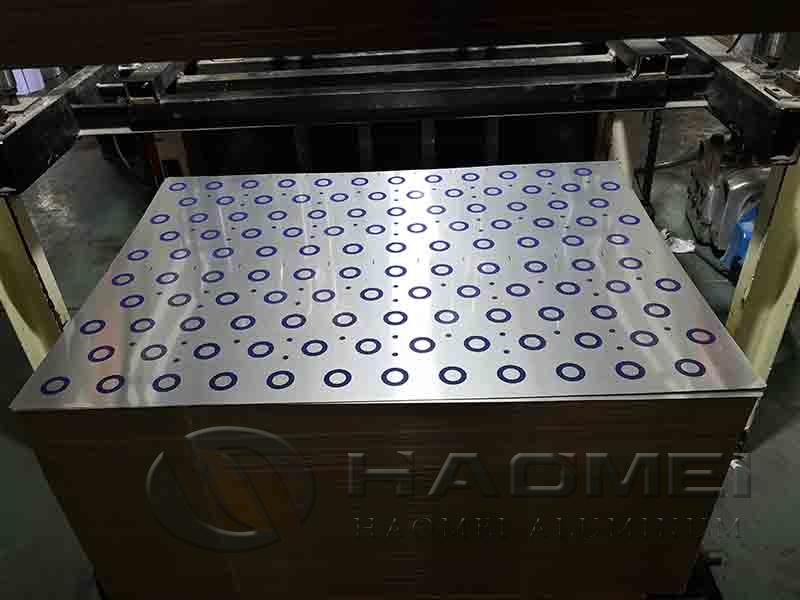
A well-specified wine bottle neck foil program helps prevent visible variation while supporting short holiday production windows. The practical approach is to define the visual standard first, qualify the aluminum substrate and coating system second, and release production only after conversion trials confirm results.
Words such as "gold," "burgundy," or "champagne finish" are not sufficient purchase specifications. Metallic pigments, gloss level, viewing angle, and substrate surface can change perceived color. A physical approved standard and documented test method are more reliable than an on-screen artwork proof.
Use this specification checklist before requesting aluminum sheet, strip, coil, or foil quotations.
| Control point | What to specify | Why it matters for holiday capsules |
|---|---|---|
| Approved visual standard | Signed drawdown, approved sample, or controlled master panel | Gives supplier, printer, and converter one reference for acceptance. |
| Color measurement | Instrument, illuminant, observer angle, geometry, and agreed tolerance | Avoids comparing results from different measurement setups. |
| Surface finish | Gloss or matte target, texture, protective lacquer requirement | Surface sheen changes how metallic colors appear under store lighting. |
| Coil direction and slit quality | Winding direction, edge condition, width tolerance, burr limits | Supports stable feeding and cleaner capsule forming. |
| Print registration | Artwork version, repeat length, registration marks, inspection method | Prevents logo drift on embossed or printed capsule designs. |
| Lot traceability | Coil number, coating batch, production date, inspection record | Makes it possible to isolate a variation before packing begins. |
For an unprinted premium look, Plain Aluminum can provide a clean starting surface for downstream lacquering, coloring, embossing, or decorative treatment. For branded seasonal runs, specify the final appearance after all planned processes, not merely the incoming metal appearance.
Color differences should be assessed under the lighting conditions that reflect the retail environment. A metallic finish may look uniform in a factory inspection area but differ under warm gift-shop lighting or cool warehouse LEDs. Keep retained samples from the approved first run and compare later deliveries against those samples using the same method.

Holiday packaging calendars are fixed, while material interruptions are not. In 2026, Easter falls on April 5, U.S. Thanksgiving is November 26, Black Friday is November 27, and Christmas is December 25. These dates can compress bottling, filling, gift-box assembly, and distribution capacity at the same time.
Work backward from the date the finished gift set must reach the distribution center. Include transit, capsule conversion, bottling, quality release, and contingency time. Do not treat aluminum arrival as the launch-ready date.
| Seasonal program | Recommended planning action | Material risk controlled |
|---|---|---|
| Lunar New Year and spring gifting | Freeze color standards and artwork before regional factory closures affect schedules. | Delayed approval cycles and replacement-material shortages. |
| Easter and winery visitor season | Run forming and print-registration trials before final decoration release. | Capsule cracking, wrinkles, or artwork misalignment. |
| Harvest releases | Reserve matching material from one qualified production route where feasible. | Shade drift between early and late campaign runs. |
| Thanksgiving, Black Friday, and Christmas | Set a firm delivery window, inspection plan, and reserved contingency quantity. | Missed retail set dates and incompatible replenishment stock. |
A useful release sequence is straightforward:
Approve the visual master and artwork revision.
Confirm alloy, temper, thickness, width, coating, and slit requirements.
Review the supplier's certificate of analysis and inspection records.
Conduct printing, embossing, forming, and abrasion trials on representative material.
Retain approved samples and define lot-by-lot acceptance criteria.
Schedule deliveries to allow inspection before the converter's final production slot.
Request commercial quotations with transparent line items: aluminum metal basis, conversion premium, coating or printing charge, slitting, packaging, testing, delivery terms, minimum order requirements, and price-validity period. This makes it easier to compare offers that otherwise appear similar but include different finishing or logistics scopes.
Holiday capsules are decorative closures, but package compliance cannot be assumed from an aluminum designation alone. The finished capsule may include inks, varnishes, adhesives, embossing agents, or polymer layers. The applicable obligations depend on the country of sale, the finished construction, and whether any component is intended to contact food or beverage.
For material descriptions, recognized references can help align expectations. ASTM B209 covers aluminum and aluminum-alloy sheet and plate, while EN 485 addresses aluminum and aluminum-alloy sheet, strip, and plate. EN 546 addresses aluminum and aluminum-alloy foil. These standards do not replace a product-specific agreement on dimensions, surface condition, mechanical properties, or conversion performance.
For food-contact applications in the European Union, Regulation (EC) No 1935/2004 establishes general requirements for materials and articles intended to come into contact with food. In the United States, relevant Food and Drug Administration requirements depend on the specific coating or substance and its intended use. Ask the finished-package compliance owner to confirm the applicable framework rather than relying on a generic declaration.
Use this document request list for each seasonal order:
Product specification showing alloy, temper, thickness, width, and surface treatment.
Certificate of analysis or certificate of conformance tied to the delivered coil or lot.
Coating, ink, and lacquer technical data where decoration is supplied.
Declaration of compliance when the intended application requires one.
Incoming inspection report covering width, thickness, surface defects, and visual color comparison.
Packaging and storage instructions to prevent moisture marks, scratches, and coil-edge damage.
When a campaign requires a printed, metallic, or coated finish, aluminum closure stock should be evaluated as part of the complete conversion process. The most dependable holiday result is not the material that merely looks correct on arrival. It is the material that retains its approved color and surface appearance after printing, forming, bottling, transport, and retail display.
Tags: Wine bottle neck foil | aluminum closure stock |
Original Source: https://www.alclosuresheet.com/a/wine-bottle-neck-foil.html

+86-15978414719


+86-15978414719


sale@alumhm.com