


2026-10-28
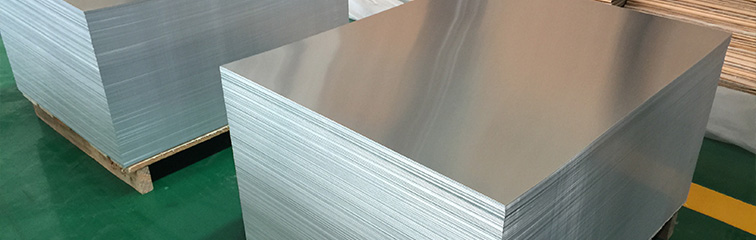
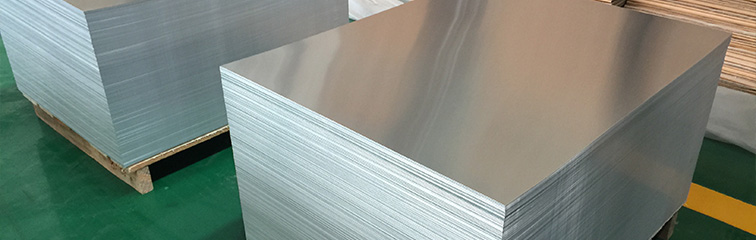
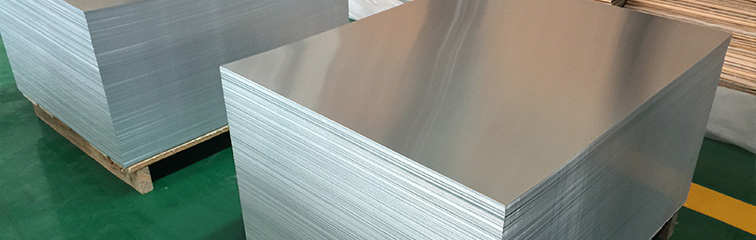
For beverage, edible-oil, pharmaceutical, and cosmetic closures, the term 8011 aluminum plate is commonly used in purchasing documents. In production, however, cap stock is normally supplied as thin-gauge coil or cut sheet rather than heavy plate. Defining the product correctly prevents a frequent problem: material that meets alloy chemistry but fails during deep drawing, knurling, embossing, or liner application.
The primary concern for closure converters is consistent formability. A cap shell must be drawn without edge cracks, orange peel, coating damage, or excessive springback. Chemistry alone cannot ensure this result. Temper, thickness tolerance, surface cleanliness, coating system, coil shape, and slit-edge quality must be controlled together.
AA 8011 is an Al-Fe-Si wrought alloy. Under EN 573-3, its typical registered composition limits include 0.50-0.90% silicon and 0.60-1.00% iron, with controlled maximum limits for copper, manganese, magnesium, zinc, titanium, and other elements. These iron and silicon additions provide strength while retaining the ductility needed for many closure applications.
For screw caps and ROPP-style closures, mills often supply 8011 in soft annealed tempers such as O or H14/H16-type tempers, depending on cap geometry and conversion route. Do not select temper by a generic description such as "soft." State the target mechanical-property range and validate it with trial tooling.
| Purchase item | What to specify | Why it matters in cap making |
|---|---|---|
| Alloy | AA 8011, chemistry to EN 573-3 or applicable ASTM requirement | Avoids substitution with a similar but differently performing alloy |
| Product form | Coil, sheet, slit coil, or blank; state ID, OD, and maximum coil weight | Matches press feeder, decoiler, and handling capacity |
| Thickness | Nominal thickness plus tolerance and measurement standard | Controls draw depth, thread formation, and cap weight |
| Temper | O, H14, H16, or agreed mechanical range | Directly affects drawing load and crack resistance |
| Width and edge | Width tolerance, burr limit, edge-wave acceptance | Reduces feeder stoppage and rim defects |
| Surface | Mill finish, lubricated or dry, cleanliness requirement | Prevents coating adhesion and printing defects |
| Coating | Exterior color, interior lacquer, coating weight, cure criteria | Protects appearance and food-contact performance |
For uncoated material, define surface requirements before printing or lacquering. A supplier may offer Plain Aluminum closure stock in mill finish, but the converter should still confirm rolling-oil residue limits, surface tension requirements where applicable, and whether passivation is compatible with the intended coating line.
A practical incoming-inspection sequence is:
Closure material may be sold plain, painted, or printed. Plain stock gives converters flexibility in color and lacquer selection. Pre-painted coil can reduce coating-line loading, while pre-printed sheet or coil can improve brand consistency when artwork, registration, and processing conditions are stable.
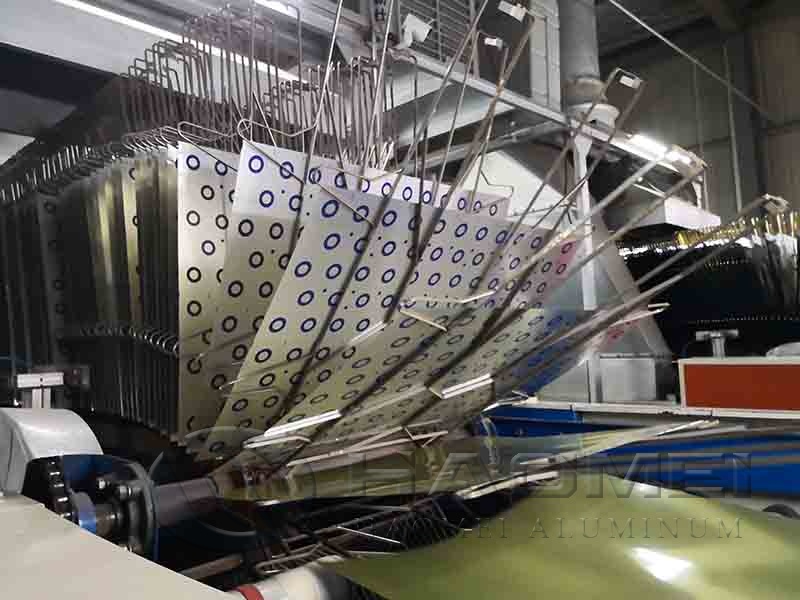
The coating system must match the filling product and process. Carbonated drinks, acidic beverages, edible oils, spirits, and hot-filled products can impose very different chemical and thermal demands. The outer decorative coating and the internal lacquer should be evaluated separately because their functions differ.
| Application condition | Main material risk | Recommended control point |
|---|---|---|
| Carbonated beverage cap | Internal corrosion, liner interaction | Product-specific immersion and storage testing |
| Hot-fill beverage closure | Loss of adhesion or discoloration | Confirm bake cure and hot-fill exposure resistance |
| Edible-oil cap | Odor transfer and coating attack | Assess organoleptic performance and migration documentation |
| Pharmaceutical closure | Extractables, traceability, cleanliness | Require documented change control and lot traceability |
| Cosmetic closure | Fragrance or solvent attack | Test with the actual formulation, not water only |
For United States food-contact uses, coating components may need to comply with applicable FDA regulations, including 21 CFR 175.300 for resinous and polymeric coatings. Adhesive systems, where used, may fall under relevant provisions such as 21 CFR 175.105. For the European Union, the framework requirements of Regulation (EC) No 1935/2004 and good manufacturing practice requirements of Regulation (EC) No 2023/2006 are central references. For China, food-contact coating compliance should be assessed against GB 4806.10-2016 and the applicable positive-list and migration requirements.
These regulations do not mean that a generic statement of compliance is enough. Request a declaration that identifies the finished coating system, intended food type, time-temperature conditions, and any use restrictions. Where required by the destination market or customer specification, obtain migration-test evidence from the coating supplier or finished-closure system.
Aluminum closure stock cost is generally driven by a metal component plus conversion charges. A useful commercial structure separates: reference aluminum price, regional premium, rolling conversion, coating or printing charge, slitting or sheeting charge, packaging, freight, and financing terms. This makes quotations comparable and avoids disputes when metal prices move.
Do not compare only price per tonne. Calculate effective cost per thousand caps using net thickness, blank diameter, trim loss, reject rate, coating yield, and freight. A lower-priced coil may create a higher cap cost if thickness variation increases scrap or if inconsistent temper slows the press.
| Cost or supply risk | Observable warning sign | Action to include in the contract |
|---|---|---|
| Aluminum price volatility | Quotation validity is very short | Use a stated index date, formula, and adjustment frequency |
| Conversion capacity constraint | Extended delivery promises | Reserve rolling and coating capacity by forecast window |
| Coating color variation | Different samples between batches | Approve a color standard and define measurement method |
| Quality traceability gap | Missing heat or coating batch data | Require coil-to-finished-cap traceability |
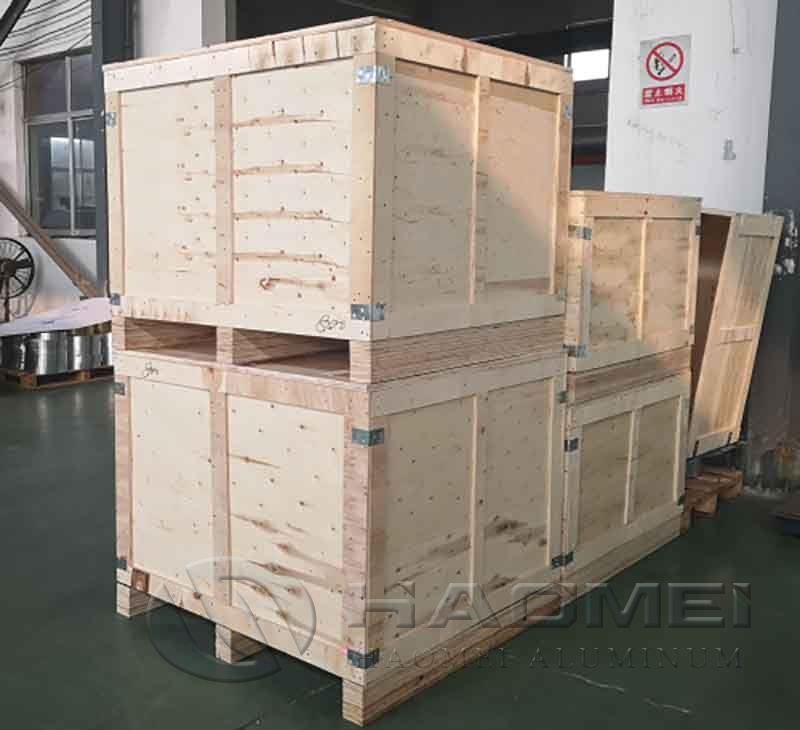
| Freight damage | Edge dents or water staining | Specify moisture barrier, corner protection, and claim procedure |
| Alloy substitution | Certificate lacks full chemistry | Require a mill test certificate linked to each coil |
Aluminum markets are cyclical. Price movements can be influenced by exchange pricing, energy costs, regional premiums, scrap availability, smelter curtailments, trade measures, and demand from packaging, transport, and construction. The appropriate response is not to guess the next price direction. Use indexed contracts, staggered delivery schedules, and an agreed safety-stock level based on actual cap consumption and approved lead time.
Before release, confirm this checklist: alloy and temper, thickness tolerance, width and edge condition, coil geometry, coating system, food-contact declaration, print-color standard, mechanical trial approval, packaging method, and traceability records. These controls turn 8011 closure stock from a commodity purchase into a repeatable cap-forming input.
Tags: 8011 Aluminum Plate | Aluminum Closure Sheet |
Original Source: https://www.alclosuresheet.com/a/8011-aluminum-plate.html

+86-15978414719


+86-15978414719


sale@alumhm.com