


2026-07-30
Peel-off ends require more than a nominal alloy designation. For food cans, powdered products, dairy containers, pet food, and dry-goods packs, the main material risk is inconsistent seal performance after forming, coating, storage, and heat processing.
For this reason, the most important product feature to control is pinhole and surface-defect consistency. A foil web may appear acceptable before conversion but still create leakage paths after lacquering, die cutting, embossing, or heat sealing. A purchase specification for 8011 foil should therefore define measurable quality conditions, not only thickness and width.
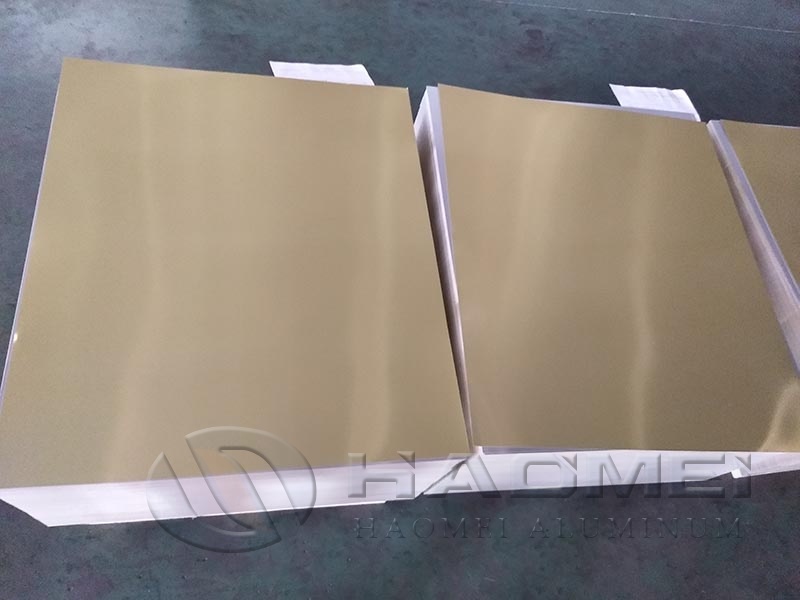
8011 is an Al-Fe-Si alloy commonly used for packaging foil because it offers suitable strength, processability, and availability. However, 8011 aluminum foil is not automatically a finished peel-off end material. The final construction may include bare foil, protective lacquer, heat-seal lacquer, primer, printed decoration, or a laminated polymer layer. The converter must match this construction to the container rim, sealing process, filling product, and intended shelf life.
Use the following checklist before releasing a coil order:
| Specification item | What to state in the order | Why it matters |
|---|---|---|
| Alloy and temper | AA 8011, with temper agreed for the conversion route | Temper affects forming behavior, panel stiffness, and wrinkle resistance. |
| Thickness | Nominal thickness plus permitted tolerance | Thickness influences burst resistance, curl formation, and material yield. |
| Width and ID/OD | Slit width tolerance, coil inside diameter, maximum outside diameter | Prevents press-feeding and unwinding interruptions. |
| Surface condition | Mill finish, one-side bright or matte condition, allowable scratches and oil | Coating adhesion and print appearance depend on a clean, uniform surface. |
| Pinhole requirement | Test method, sample basis, acceptance limit, and inspection frequency | Controls a common source of leakage and corrosion exposure. |
| Coating system | Food-contact side, external side, coating type, coat weight, cure condition | Determines adhesion, product resistance, and sealing compatibility. |
| Mechanical values | Tensile strength and elongation range, where needed | Supports stable stamping and panel-forming performance. |
| Packing | Moisture barrier, desiccant policy, pallet protection, edge guards | Limits oxidation, water staining, and coil-edge damage in transit. |
Thickness must be selected from the finished-end design rather than copied from a general foil quotation. A thinner gauge can reduce metal consumption, but it can also increase sensitivity to pinholes, handling marks, and forming variation. Conversely, a heavier gauge may improve robustness while raising conversion force and material cost.
For coated products, request the coating supplier's technical data and confirmation that the cure schedule matches the converter's oven conditions. Under-cured coatings may have poor chemical resistance. Over-curing can reduce flexibility or affect heat-seal activation. Where the lid is sealed to a polymer container, specify the target substrate, such as PP, PET, PS, or PE, because seal-lacquer selection is substrate-specific.
A supplier of Aluminium Foil Sealing materials should also identify whether the quoted foil is intended for direct-contact use, lacquered conversion, or laminate manufacture. These are different product definitions and should not be treated as interchangeable.
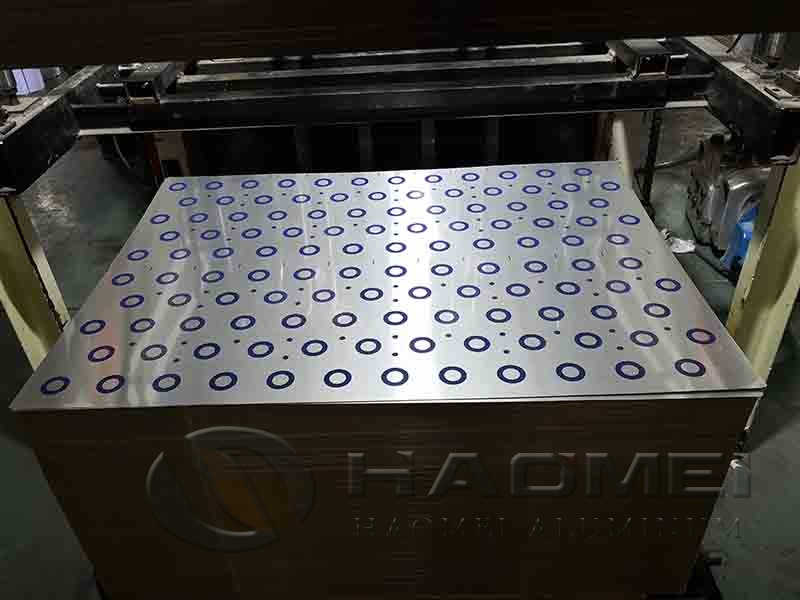
A workable quality plan combines coil-level checks with converted-end trials. Do not rely only on a mill certificate. The certificate verifies reported chemical and mechanical properties for a production batch, but it does not replace tests for coating, printing, sealability, or end-forming behavior.
| Control stage | Practical verification | Acceptance decision |
|---|---|---|
| Before production | Review alloy, temper, thickness, width, coil weight, and surface requirements | Release only against an approved specification. |
| Incoming coil | Check labels, coil damage, telescoping, edge condition, water stains, and dimensions | Quarantine damaged or unidentified coils. |
| Laboratory test | Verify thickness, tensile properties where specified, surface cleanliness, and pinholes | Compare results with contract limits and agreed test methods. |
| Coating and print | Test adhesion, cure, rub resistance, color consistency, and residual odor where applicable | Approve against controlled production samples. |
| End conversion | Run forming, curl, score, pull-tab, and opening trials | Inspect cracking, delamination, score consistency, and opening force. |
| Filled-pack test | Conduct seal integrity and product-compatibility trials under actual process conditions | Confirm performance through stated shelf-life or accelerated protocols. |
For food-contact applications in the European Union, the finished material and its manufacturing chain must meet the framework requirements of Regulation (EC) No 1935/2004. Good manufacturing practice for food-contact materials is addressed by Commission Regulation (EC) No 2023/2006. These regulations apply to the food-contact article as placed on the market, so compliance documentation must cover relevant coatings, inks, adhesives, and conversion conditions, not only the aluminum substrate.
For United States applications, compliance depends on the complete food-contact construction and conditions of use. Coatings may fall within applicable U.S. Food and Drug Administration regulations, including 21 CFR Part 175 where relevant. A declaration should identify the intended food type, temperature, contact time, and whether the material contacts food directly. Regulatory status cannot be confirmed responsibly from the alloy number alone.
Ask for these documents before production approval:
The delivered cost of peel-off end foil is driven by the aluminum reference price, regional premium, conversion premium, coating or printing cost, scrap yield, freight, and payment terms. The aluminum component is usually volatile, while coating, slitting, packaging, and conversion charges tend to move more slowly. A quotation should separate these elements whenever possible.
| Cost driver | Typical exposure | Risk-control action |
|---|---|---|
| Aluminum price | Market movement between inquiry and shipment | Agree a pricing date, index basis, and adjustment mechanism. |
| Regional premium | Location-specific metal availability and logistics | Confirm delivery basis and premium reference in the contract. |
| Rolling and slitting | Gauge, width, tolerance, and order complexity | Standardize dimensions where end performance allows. |
| Coating and print | Color count, lacquer chemistry, curing, and inspection | Approve artwork and color standards before scheduling. |
| Scrap rate | Press setup, web breaks, trim width, and rejected ends | Use trial results to set realistic yield assumptions. |
| Freight and storage | Moisture protection, route length, and lead time | Specify sealed packaging and warehouse humidity controls. |
Supply risk is often highest for narrow-width slit coils, special lacquer systems, and printed designs because these require additional scheduling steps. Plain 8011 foil may be available sooner than a finished coated construction, but downstream conversion capacity can become the actual constraint. Plan production slots around artwork approval, coating qualification, and end-forming trials instead of treating foil lead time as the full project lead time.
For annual demand, use a rolling forecast with a firm near-term release window and a separately agreed metal-pricing mechanism. This approach reduces exposure to both aluminum-market movement and last-minute conversion changes. For safety stock, hold material only where storage conditions can prevent condensation, dust, coil collapse, and edge damage. Aluminum foil should remain in intact moisture-resistant packaging until it reaches the converting line.
A technically complete 8011 foil specification, verified coating compatibility, and documented seal trials will reduce rejected ends more effectively than selecting material solely by the lowest quoted price.
Tags: 8011 aluminum foil for peel off end | peel off end foil |
Original Source: https://www.alclosuresheet.com/a/8011-aluminum-foil-for-peel-off-end.html

+86-15978414719


+86-15978414719


sale@alumhm.com