


2026-10-22
ROPP (Roll-On Pilfer-Proof) bottle caps are widely used for wine, spirits, olive oil, pharmaceutical products, beverages, and other packaged goods that require reliable sealing and visible tamper evidence. The performance of these caps depends heavily on the quality of the metal coil used during manufacturing. Well-produced aluminum bottle cap material offers the formability, surface finish, strength, and consistency needed to create attractive and dependable closures.
For cap manufacturers, selecting the right aluminum coil is not simply a matter of choosing a metal grade. It involves balancing alloy composition, thickness tolerance, surface treatment, mechanical properties, coating compatibility, and downstream production efficiency. When these factors are properly controlled, the result is a cap that seals smoothly, resists corrosion, supports high-speed printing, and delivers a premium appearance on the shelf.
Aluminum closure sheet is one of the preferred materials for ROPP closures because it combines lightweight properties with excellent workability. During the cap-making process, the coil is blanked, drawn, threaded, decorated, lined, and shaped into the final closure. Aluminum can undergo these forming operations without excessive cracking, wrinkling, or surface defects.
Its natural corrosion resistance is also important. Bottled wine, liquor, vinegar, oils, and medicines may be stored for long periods under varying temperatures and humidity levels. A high-quality aluminum cap helps protect the package while maintaining a clean, metallic finish. Additional lacquers, paints, and varnishes can further improve resistance to moisture, acids, alkalis, and product vapors.
Another major advantage is recyclability. Aluminum can be recycled repeatedly with relatively low energy consumption compared with primary metal production. As brands and consumers increasingly focus on sustainable packaging, aluminum closures provide a practical option for companies seeking to improve their environmental profile.
The alloy used for ROPP applications must have suitable strength and elongation. Caps need enough flexibility to be formed around a bottle neck and rolled onto threads, yet they must retain enough rigidity to protect the seal during transportation and consumer handling.
Common alloys for closure production are selected for their balance of formability, surface quality, and mechanical stability. Temper is equally important. If the material is too hard, it may crack during drawing or thread forming. If it is too soft, the finished cap may deform easily or fail to maintain proper sealing pressure.
Reliable suppliers carefully control tensile strength, yield strength, elongation, and grain structure. These properties affect how the metal behaves during stamping and forming. Consistent coil characteristics reduce machine adjustments, minimize scrap rates, and help cap producers maintain stable output at high production speeds.
Thickness tolerance is one of the most critical requirements for ROPP cap production. Even small variations across the width or length of a coil can influence forming performance. Uneven material may lead to inconsistent skirt depth, thread definition, torque performance, or liner positioning.
Depending on the cap design, manufacturers may require different thicknesses for wine closures, spirits caps, pharmaceutical closures, and olive oil packaging. Premium products sometimes use heavier gauges to create a more substantial feel, while lightweight designs aim to reduce material consumption without sacrificing functionality.
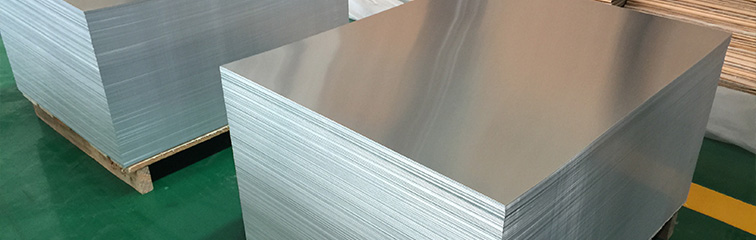
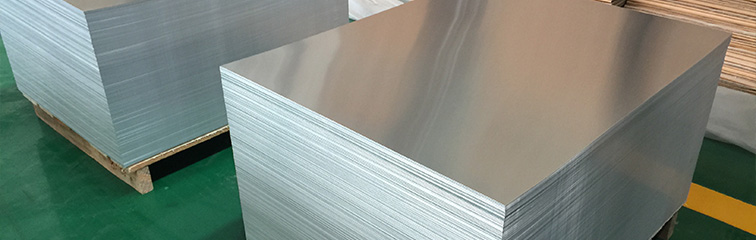
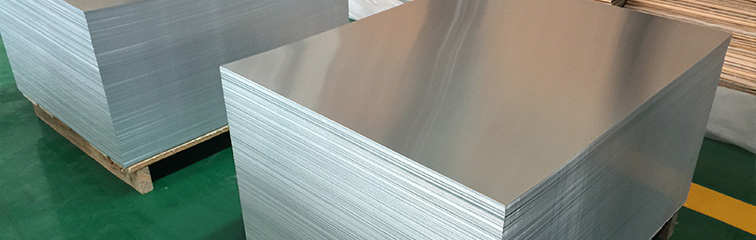
Flatness is another essential factor. A coil with poor flatness may cause feeding problems in automatic presses, printing equipment, or slitting lines. Proper rolling practices, tension control, and inspection procedures help ensure that the material remains stable throughout downstream processing.
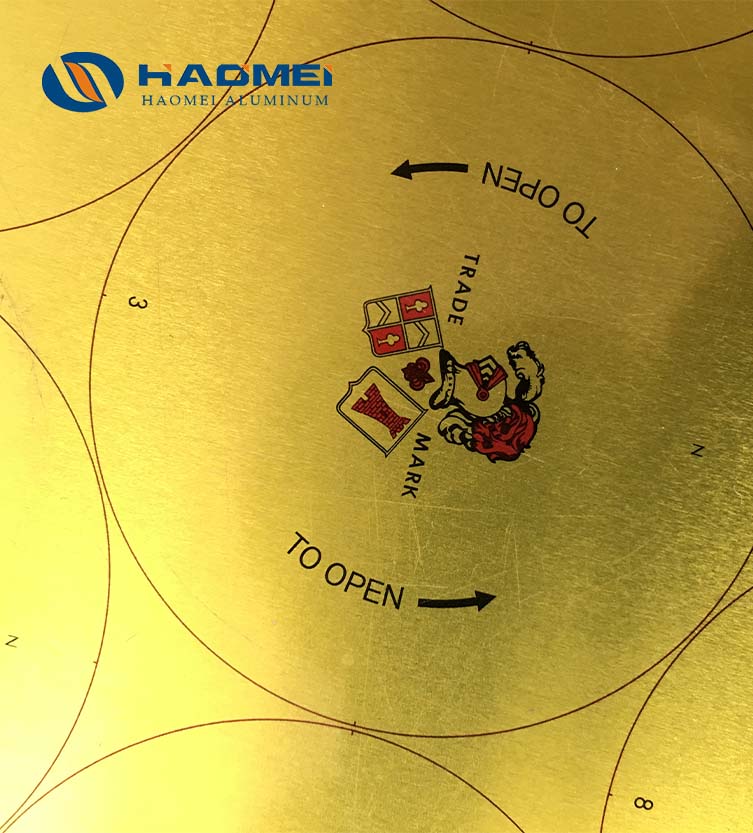
ROPP caps often serve as an important branding element. They can feature vivid colors, embossed logos, matte finishes, metallic effects, holographic decoration, or high-definition graphics. Therefore, the surface of the aluminum must be clean, smooth, and free from defects such as scratches, stains, oil marks, pinholes, roll marks, or oxidation spots.
A consistent surface supports better adhesion of paints, inks, primers, and protective coatings. This is especially important for caps printed with detailed artwork or brand-specific colors. Poor surface preparation can result in coating defects, weak ink adhesion, uneven gloss, or reduced resistance to abrasion.
The right aluminum cap stock gives converters a dependable base for lithographic printing, color coating, embossing, and varnishing. Whether a brand wants a classic wine capsule appearance or a bold modern spirits closure, the starting material has a direct impact on visual quality.
Many closure coils receive specialized coatings before or after cap formation. Interior coatings protect the metal from contact with product vapors and improve compatibility with liners. Exterior coatings provide color, gloss, scratch resistance, and chemical protection.
For food, beverage, and pharmaceutical applications, coatings should meet applicable food-contact regulations in the destination market. Manufacturers should verify compliance requirements for regions such as the European Union, the United States, and other export markets. Documentation, test reports, and traceability records can be valuable for brand owners and bottlers.
Lubrication also plays a role in smooth processing. Properly lubricated material moves efficiently through stamping and drawing equipment, reducing friction and tool wear. However, excessive lubricant can interfere with printing or coating adhesion, so careful control is necessary.
Using a dependable aluminum coil helps manufacturers improve operational efficiency. Stable mechanical properties reduce the risk of tearing during deep drawing and make thread rolling more predictable. Uniform thickness contributes to consistent cap dimensions, while clean surfaces lower rejection rates in decoration lines.
High-quality material can also support faster production speeds. When coils feed smoothly and behave consistently, operators spend less time adjusting presses, correcting jams, or removing defective caps. This can improve productivity while reducing waste and total manufacturing costs.
In addition, reliable material quality strengthens relationships between cap suppliers, bottlers, and brand owners. A closure may be a small part of the final package, but a poorly performing cap can damage consumer confidence, cause leakage, or create costly filling-line interruptions.
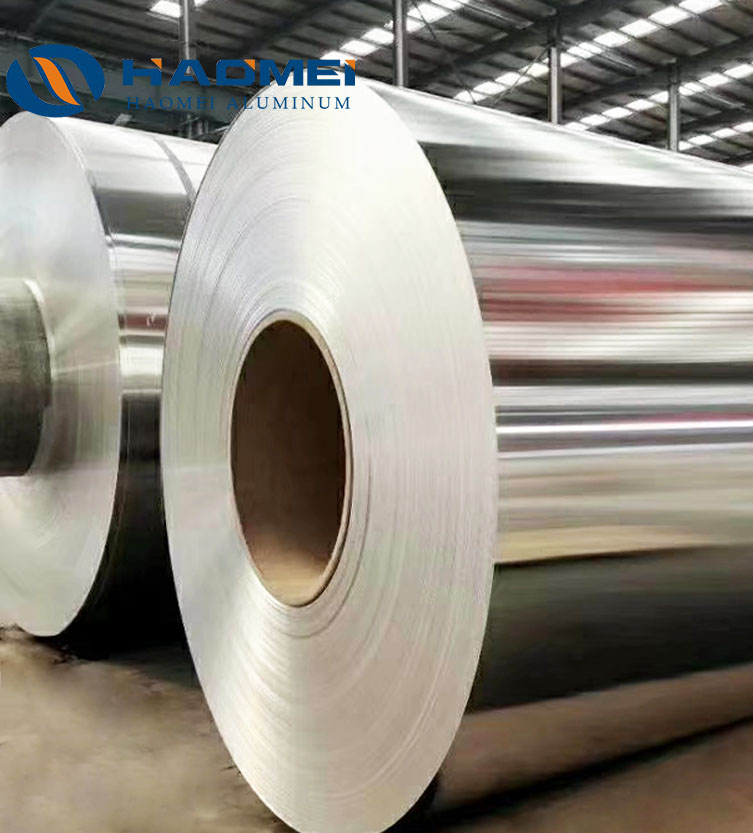
When sourcing coil for ROPP caps, buyers should consider more than price. A capable supplier should provide clear technical specifications, stable quality control, appropriate packaging, and responsive customer support. Important evaluation points include alloy selection, thickness range, width tolerance, coil weight, surface condition, coating options, and delivery reliability.
Protective packaging is particularly important because coils can be damaged by moisture, dust, edge dents, or improper handling during transport. Export-grade packing with moisture barriers, reinforced pallets, and secure strapping helps preserve coil quality until it reaches the production line.
Ultimately, the best material solution is one that matches the cap design, manufacturing equipment, decoration process, and end-use requirements. With the correct coil specification, ROPP cap producers can create closures that are functional, visually appealing, recyclable, and reliable for a wide range of bottled products.
Tags: bottle cap material |
Original Source: https://www.alclosuresheet.com/a/aluminum-closure-sheet-coil-for-ropp-bottle-caps.html
Product
Aluminium Foil Sealing
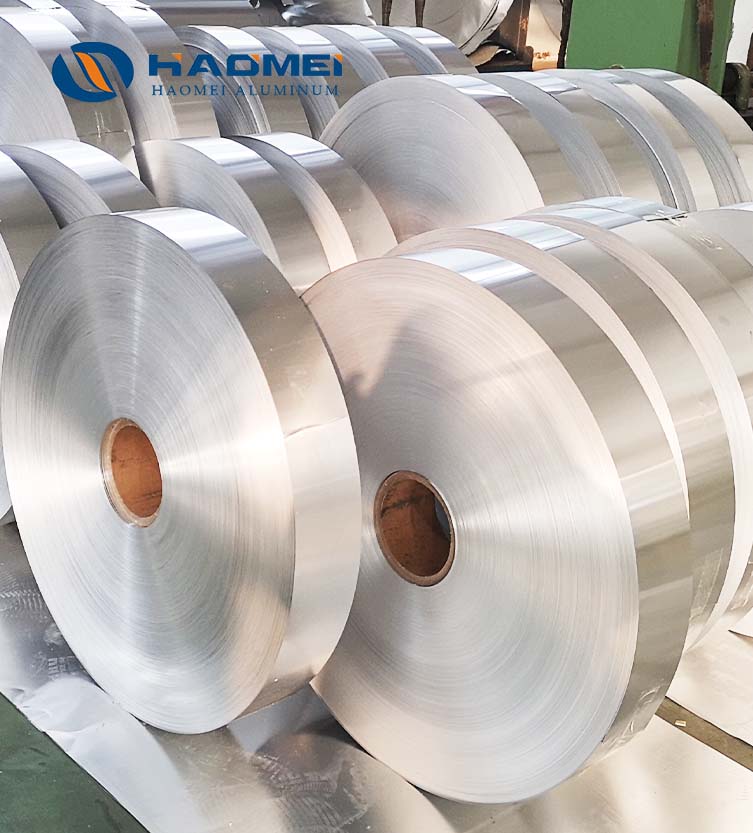
Coated Aluminum Strip
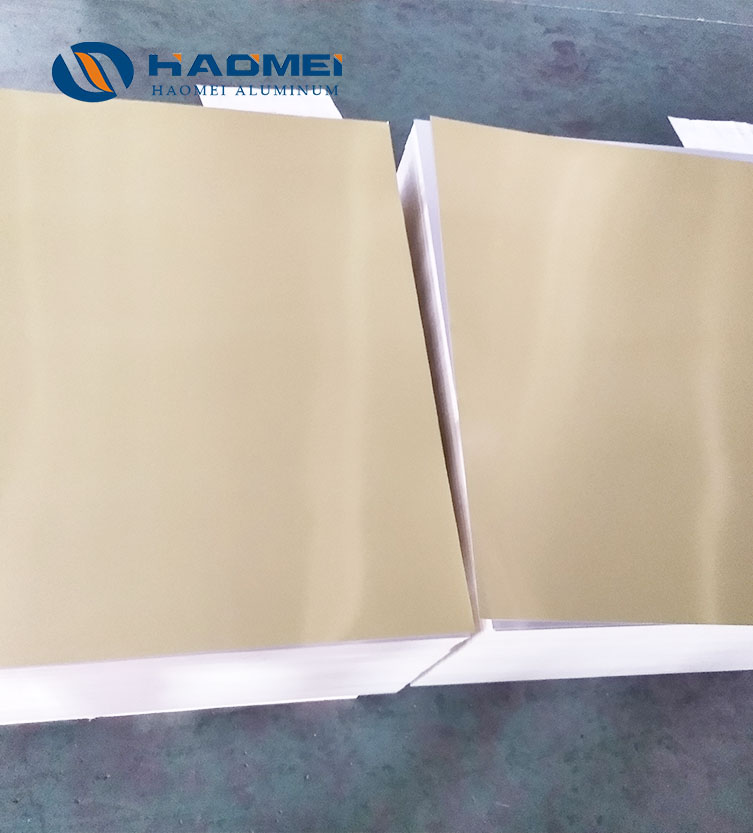
Painted aluminum
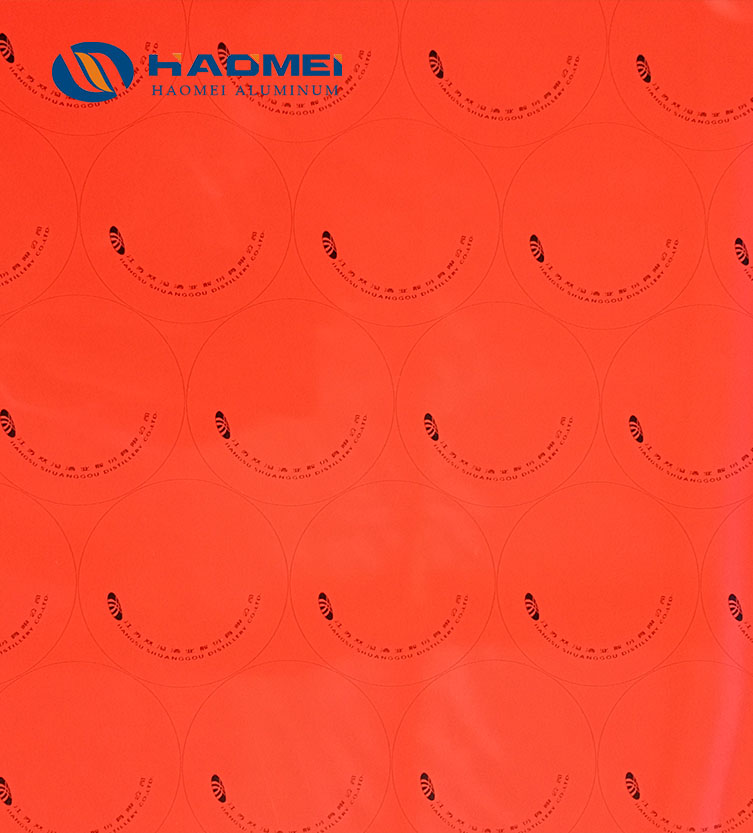
Printed Aluminum
Alloy
8011
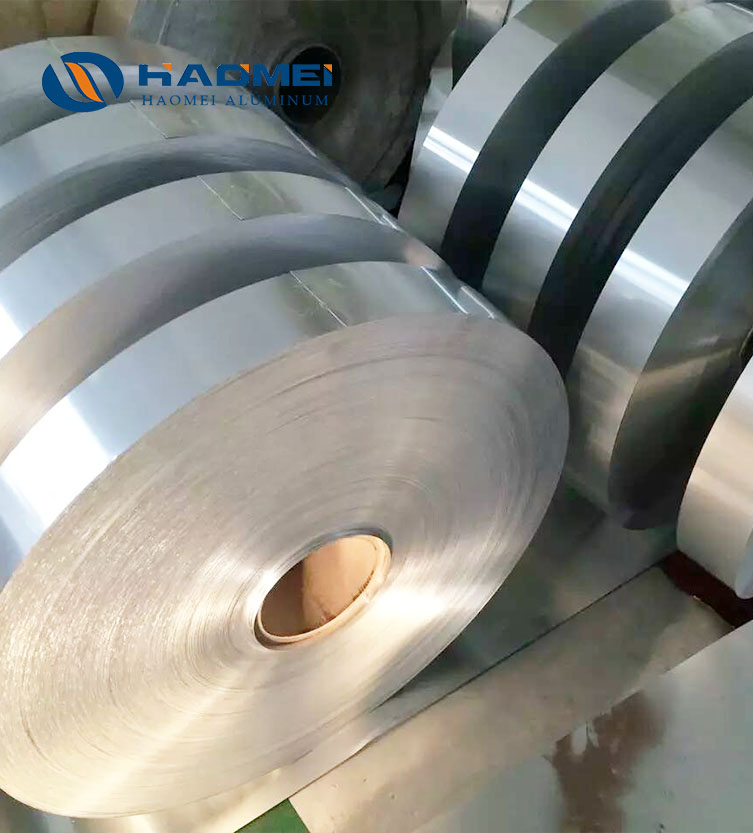
5182
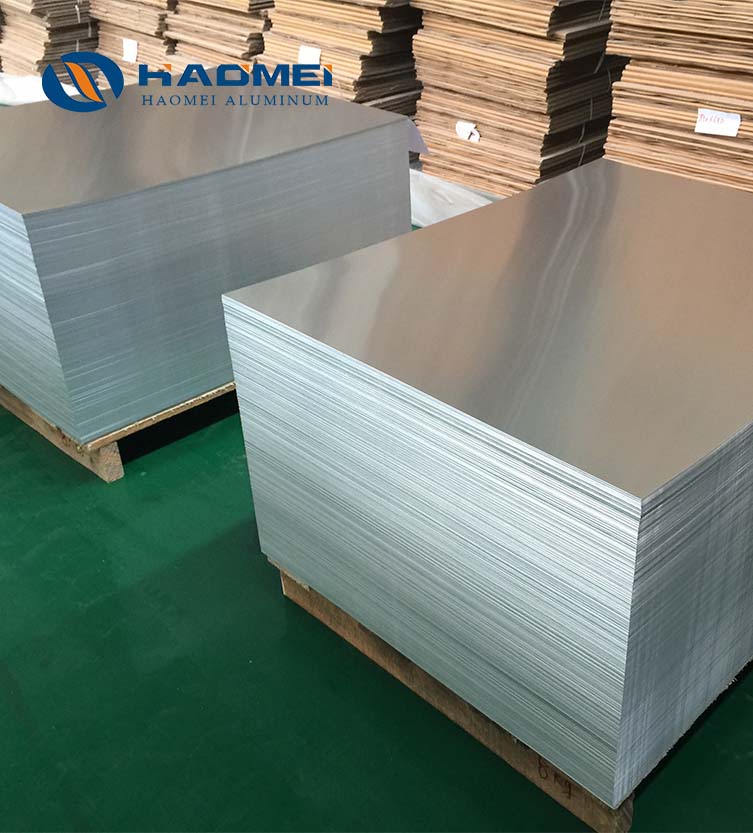
1060
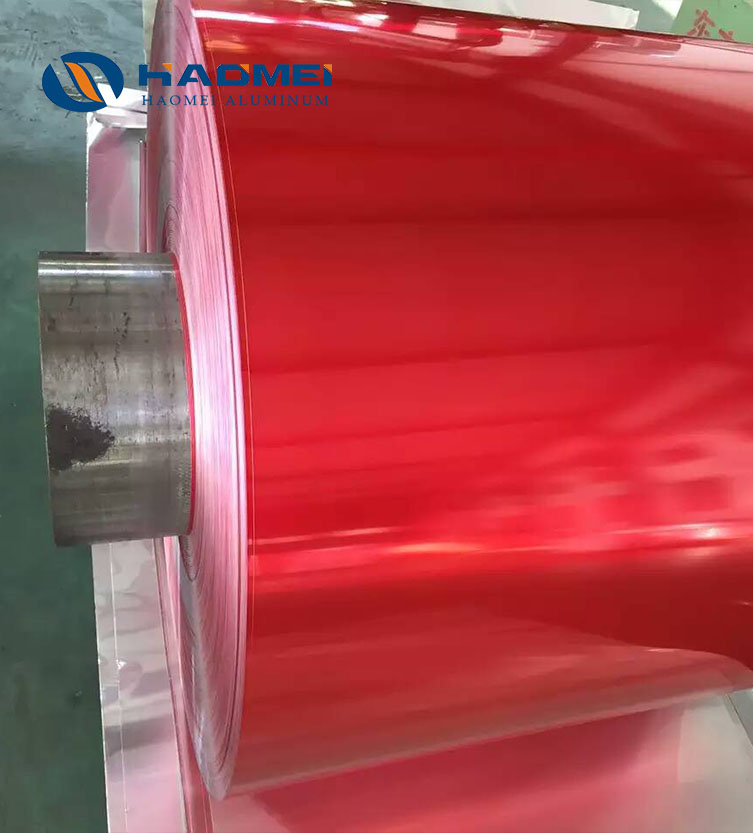
3105
Application
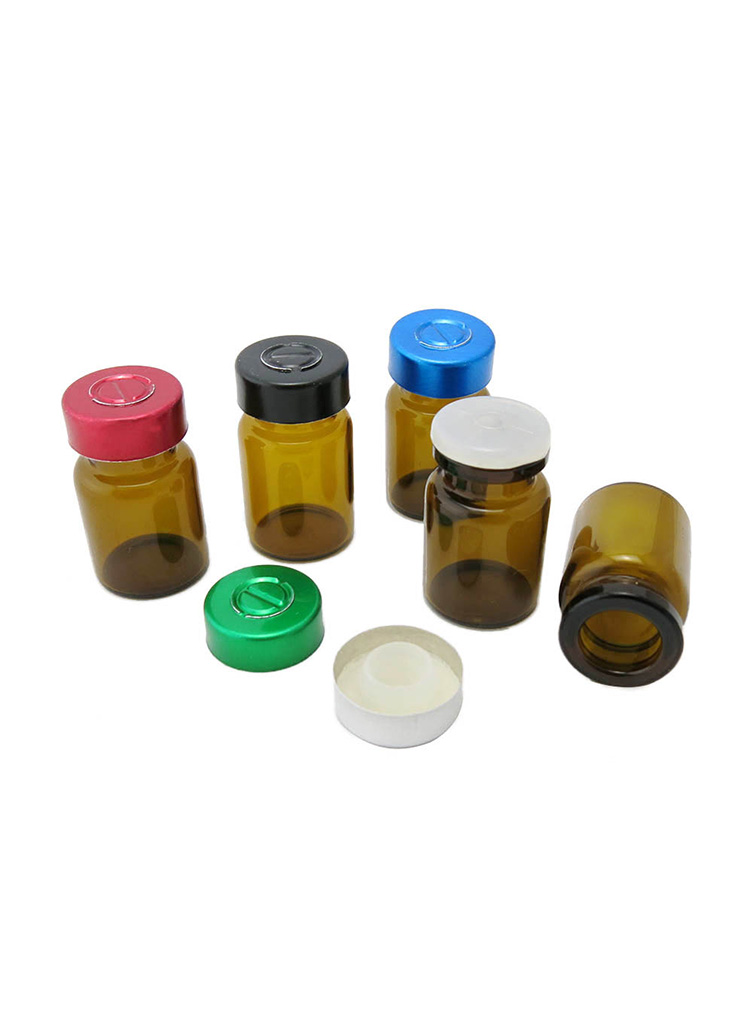
Medical bottle cap
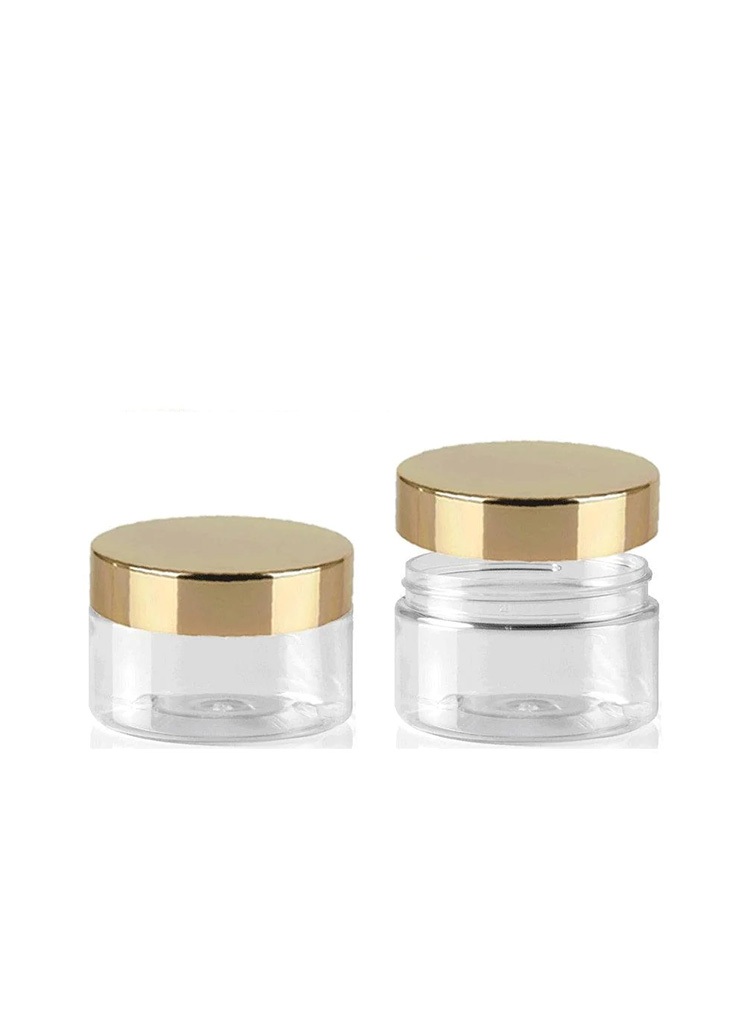
Jar bottle cap
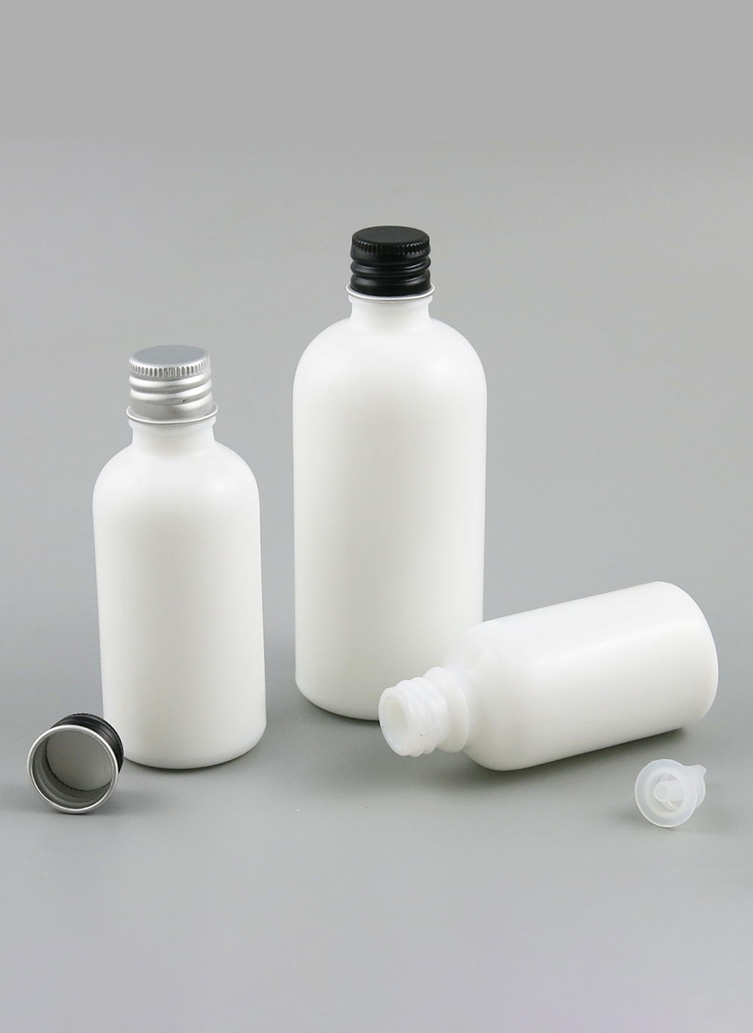
HDPE Bottle Sealing

Red wine cap

+86-15978414719


+86-15978414719


sale@alumhm.com