


2026-06-10
Summer holiday campaigns compress the calendar. Canada Day, Independence Day, Bastille Day and seasonal retail shutdowns can push packaging, signage, cookware and closure orders into the same production window. The practical risk is not only price. It is choosing a metal format that can move across several jobs without slowing forming, printing or assembly.
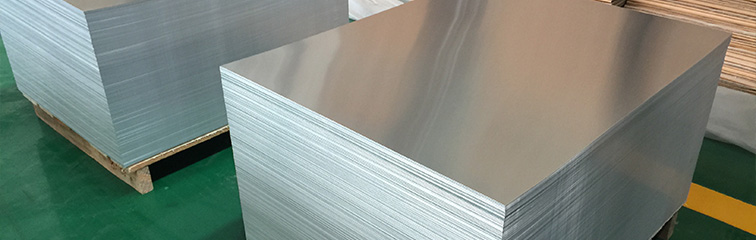
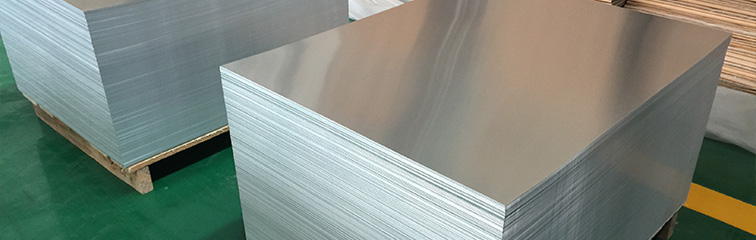
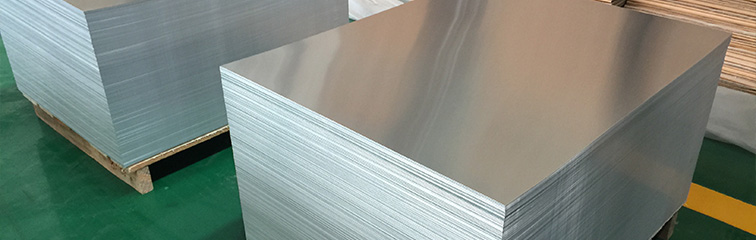
Plain Aluminum solves that problem through one main feature: uncoated versatility. A mill-finish surface can be slit, cut, stamped, deep drawn, brushed, printed, anodized or coated later. For manufacturers handling aluminum sheet, strip, coil, foil or circles, that flexibility can reduce last-minute material changes when holiday demand shifts.
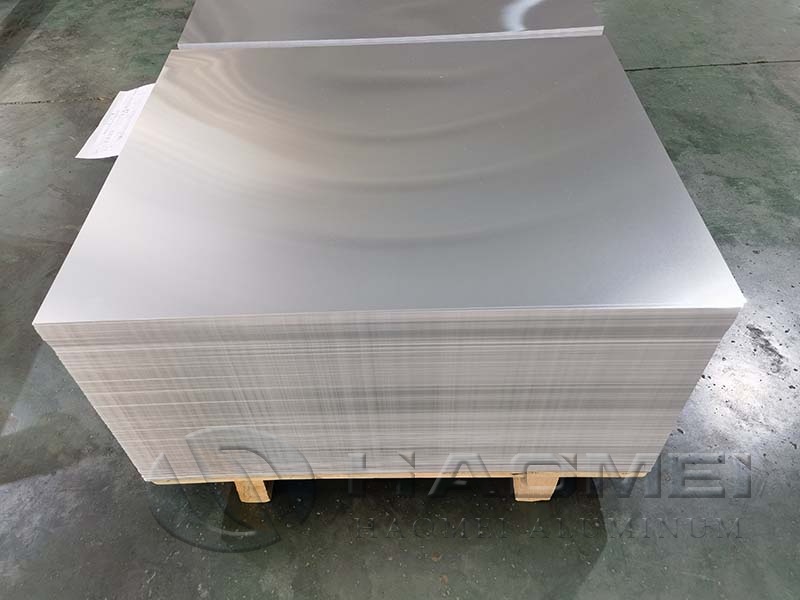
A holiday order mix often changes after forecasts are approved. Beverage caps may increase, retail displays may require extra panels, and cookware promotions may need additional circles. A pre-painted or laminated product can be efficient for a fixed program, but it is less forgiving when size, surface treatment or decoration changes.
Uncoated aluminum stock gives production teams room to adapt:
For current product offers, request the form, alloy, temper, thickness range, width, surface tolerance and packing method at the same time. This avoids a common seasonal failure: confirming price before confirming whether the material fits the holiday production line.
Use the checklist below to make an uncoated aluminum offer comparable across suppliers. It focuses on verifiable specifications rather than generic claims.
| Decision point | What to specify | Why it matters for holiday runs |
|---|---|---|
| Product form | Sheet, strip, coil, foil or circle | Matches cutting, stamping, rolling or forming equipment |
| Alloy family | 1xxx, 3xxx, 5xxx or other required grade | Controls formability, strength and corrosion resistance |
| Temper | O, H12, H14, H16, H18 or project-specific temper | Prevents cracking, springback or poor flatness |
| Thickness and tolerance | Nominal gauge plus accepted tolerance | Protects stacking, sealing, drawing and assembly performance |
| Width or diameter | Coil width, strip width, sheet size or circle diameter | Reduces trim scrap and conversion time |
| Surface condition | Mill finish, oil level, clean dry surface, brushed-ready | Supports printing, anodizing, coating or direct fabrication |
| Packing | Eye-to-wall or eye-to-sky coil, pallet, interleaving, moisture barrier | Reduces transit damage before peak dispatch dates |
| Compliance documents | Mill test certificate and relevant standard reference | Speeds incoming inspection and customer approval |
Authoritative standards can help align terminology. ASTM B209/B209M covers aluminum and aluminum-alloy sheet and plate. EN 485 covers aluminum sheet, strip and plate, while EN 573 addresses chemical composition and product forms for wrought aluminum alloys. If the final article is intended for food contact, confirm suitability under applicable rules such as EU Regulation (EC) No. 1935/2004 and GMP Regulation (EC) No. 2023/2006, or U.S. FDA good manufacturing practice requirements in 21 CFR 174.5. The exact declaration depends on alloy, surface treatment and end use.
Holiday programs often need speed, but speed should not remove process options. The table below shows where mill-finish aluminum is usually preferred.
| Material option | Best fit | Limitation during holiday changes |
|---|---|---|
| Mill-finish aluminum | Flexible forming, later coating, anodizing, printing or brushing | Final surface treatment must be planned after fabrication |
| Pre-painted aluminum | Fixed-color signage, panels and branded parts | Color and coating changes can create delays |
| Laminated aluminum | Specific barrier packaging structures | Less adaptable if sealing layer or print design changes |
| Embossed aluminum | Decorative sheets and anti-slip surfaces | Pattern may not suit stamping or deep drawing |
The recyclable profile is another reason seasonal programs use aluminum. The International Aluminium Institute reports that about 75% of all aluminum ever produced is still in productive use. The Aluminum Association states that recycling aluminum saves more than 90% of the energy needed to produce primary aluminum. These data points are useful when retailers ask for holiday packaging or display materials with a credible circularity story.
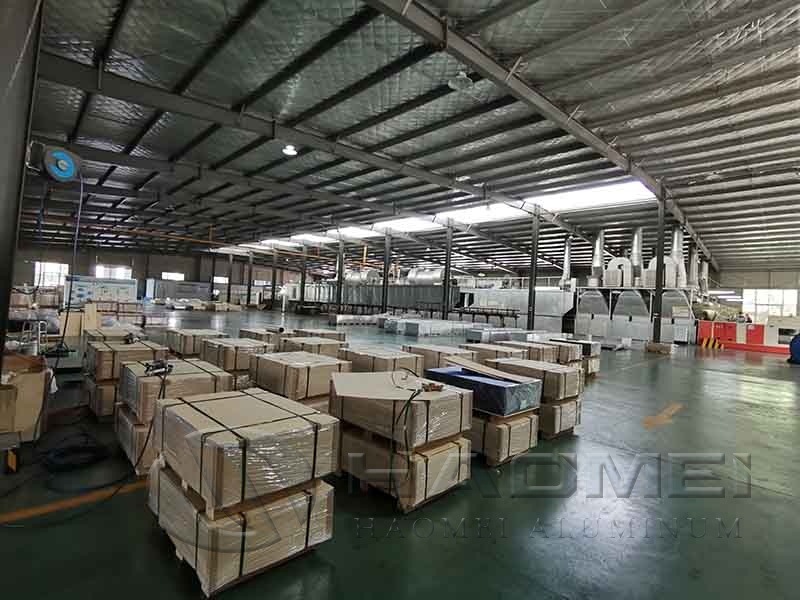
A practical calendar matters because summer holidays collide with plant vacations, port congestion and retail launch dates. Use these steps when reviewing a plain stock offer:
| Application | Recommended plain aluminum form | Practical reason |
|---|---|---|
| Beverage closures and caps | Coil or strip | Continuous feeding improves stamping efficiency |
| Seasonal trays and bakeware | Circles or sheet | Supports drawing, spinning and forming |
| Retail display panels | Sheet | Flatness and surface consistency matter for printing |
| Decorative trims | Slit strip | Width control reduces secondary cutting |
| Flexible packaging and lids | Foil | Thin gauge supports wrapping, lidding or lamination steps |
| Appliance or giftware parts | Sheet or coil | Can be brushed, anodized or coated after shaping |
For teams comparing aluminum sheet, strip, coil, foil and circle offers, the most useful question is not simply, "What is the lowest price today?" A stronger question is, "Which uncoated stock lets us serve the widest holiday order mix without changing metal mid-run?"
Before approval, send the supplier this final inspection list:
Tags: Plain Aluminum | Aluminum Sheet | Aluminum Coil | Aluminum Circle | Holiday Packaging |
Original Source: https://www.alclosuresheet.com/a/plain-aluminum.html

+86-15978414719


+86-15978414719


sale@alumhm.com