


2026-06-17
For aluminum bottle cap material, the highest-risk product feature is coating adhesion. Poor adhesion causes paint pick-off during deep drawing, knurling, pilfer-band forming, printing, sterilization, or hot-fill exposure. Once caps are formed, defects are expensive to isolate because metal, coating, ink, liner, and capping torque all interact.
Coated closure stock is not just aluminum with color. It is a controlled system: alloy, temper, surface treatment, primer, top coat, bake condition, coil handling, slitting quality, and food-contact documentation.
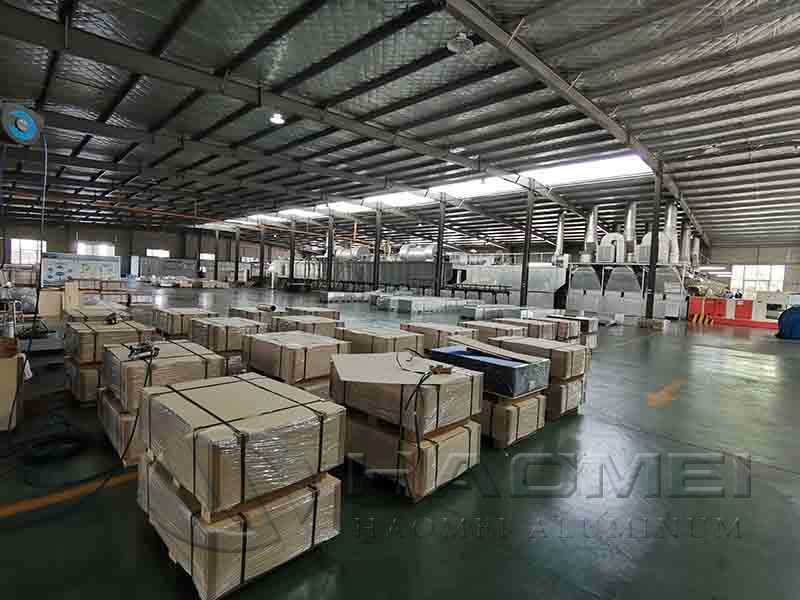
Most closure producers purchase aluminum sheet or coil in plain, lacquered, painted, or printed condition. For color matched cap programs, Painted aluminum should be specified with both visual tolerances and forming tests, not color code alone.
| Decision point | Practical specification | Why it matters in cap production |
|---|---|---|
| Alloy | Common closure alloys include 8011, 3105, 3003, 5182, depending on cap design | Controls drawability, strength, earing, and corrosion resistance |
| Temper | H14, H16, H18, H19, or customer-specific annealed route | Affects forming load, pilfer-band cracking, and torque consistency |
| Thickness | Often about 0.18-0.25 mm for beverage and spirits closures; confirm by cap type | Too thin risks bridge breakage; too thick raises cost and forming force |
| Surface | Degreased, chemically pretreated, then lacquered or printed | Improves wetting and adhesion before coating cure |
| Coating system | Epoxy, polyester, acrylic, organosol, BPA-NI alternatives where required | Must match alcohol, acidity, pasteurization, and liner chemistry |
| Delivery form | Coil, sheet, slit coil, or printed sheet | Determines yield, press speed, and handling damage risk |
Use recognized standards in purchase documents. EN 541 covers rolled aluminum products for cans, closures, and lids. EN 485 covers technical conditions and tolerances for aluminum sheet, strip, and plate. EN 573 covers chemical composition. ASTM B209 is widely used for aluminum and aluminum-alloy sheet and plate. For adhesion, ISO 2409 and ASTM D3359 cross-cut methods are common reference points.
A reliable pre-coated closure coil normally follows this route:
Coating adhesion problems are often traced to three causes: residual oil, under-cured or over-cured coating, or mechanical damage during slitting and transport. Do not rely only on a supplier certificate. Add incoming tests matched to the cap forming route.
| Test | Standard or common method | Pass target to define before orders |
|---|---|---|
| Cross-cut adhesion | ISO 2409 or ASTM D3359 | Rating agreed by both parties before shipment |
| T-bend or draw test | Internal cap plant method | No flaking at bend radius or cap skirt |
| Solvent rub | MEK or agreed solvent | Stable coating after agreed rub count |
| Boiling water or pasteurization simulation | Customer method | No blistering, whitening, or delamination |
| Color control | Spectrophotometer, CIELAB | Delta E tolerance by brand color sensitivity |
| Coating weight | Gravimetric or supplier method | Minimum and range by side and end use |
Different caps need different closure stock behavior. A roll-on pilfer-proof cap requires smooth drawing, knurling performance, and bridge integrity. A pharmaceutical cap may put more emphasis on cleanliness, low odor, and liner compatibility. A wine or spirits closure may require premium print appearance and consistent embossing.
| Application | Main risk | Specification focus |
|---|---|---|
| ROPP beverage caps | Skirt cracking and poor pilfer bridge break | Temper, elongation, earing, coating flexibility |
| Spirits and wine closures | Decorative defects and color mismatch | Print registration, gloss, scratch resistance |
| Pharma and healthcare caps | Contamination and compliance gaps | Clean packing, traceability, food or pharma-contact declarations |
| Hot-fill or pasteurized drinks | Blistering or coating softening | Coating chemistry, cure condition, heat-resistance testing |
| Carbonated drinks | Torque variation and liner interaction | Mechanical properties, surface friction, liner compatibility |
A useful approval sequence is: lab sheet test, trial coating review, pilot cap forming, filling-line trial, then commercial release. Keep retained samples from each approved coil batch.
Food-contact and packaging compliance is jurisdiction-specific. For the United States, FDA 21 CFR 175.300 covers resinous and polymeric coatings intended for food-contact use. For the European Union, Regulation EC 1935/2004 sets the framework for materials intended to contact food, while Regulation EC 2023/2006 covers good manufacturing practice. EU 10/2011 may be used as a reference where plastic layers or components are relevant, but coatings are not fully harmonized EU-wide, so national rules and migration testing protocols can also apply.
Request this document pack before mass production:
Closure sheet pricing normally combines metal value, regional premium, rolling conversion, coating or printing charge, slitting or sheet cutting, packing, freight, finance, and scrap/yield assumptions.
| Cost item | How to monitor it | Action for cost control |
|---|---|---|
| Aluminum metal | LME official prices, SHFE prices, or agreed index | Define quotation date, average period, and currency |
| Regional premium | Midwest, European duty-paid, or local premium references | Separate premium from conversion in contracts |
| Conversion fee | Rolling, coating, printing, slitting | Benchmark by thickness, width, volume, and complexity |
| Yield loss | Edge trim, coating trial waste, print setup | Agree chargeable width and setup rules |
| Freight | Ocean rate, inland trucking, insurance | Compare coil versus sheet packing economics |
| Working capital | Payment terms, inventory days | Align shipment cadence with cap plant consumption |
Avoid comparing only unit price per metric ton. A slightly higher-priced coil can be cheaper in use if it reduces press stoppage, rejects, liner contamination, or brand complaints.
Aluminum closure stock supply is sensitive to primary aluminum prices, rolling capacity, coating-line availability, energy costs, and freight disruption. The International Aluminium Institute publishes global primary aluminum production data, while LME reports exchange stocks and official prices. These public indicators help explain raw material movement, but closure stock lead time also depends on coating and printing capacity.
Seasonal demand often rises before beverage peak periods. Painted and printed material should be scheduled earlier than plain mill finish because color matching, ink approval, and oven capacity add time. If a new decoration is involved, reserve time for draw trials after printing, not only flat-sheet color approval.
Practical planning checklist:
| Purchase checkpoint | Accept only if verified |
|---|---|
| Coating adhesion | Cross-cut plus forming trial passed |
| Compliance | Regulation basis and migration data match destination market |
| Dimensions | Gauge, width, camber, burr, and flatness within agreed tolerance |
| Appearance | Color, gloss, scratches, pinholes, and stains within limit sample |
| Traceability | Coil, coating batch, and print batch linked in records |
| Logistics | Moisture-proof packing and handling method specified |
Tags: Coated Aluminum | Aluminum Closure Sheet | Bottle Cap Material | Aluminum Closure Stock |
Original Source: https://www.alclosuresheet.com/a/coated-aluminum.html

+86-15978414719


+86-15978414719


sale@alumhm.com