


2026-03-11
In the wine packaging industry, 8011 aluminum sheet has become the preferred material for aluminum bottle caps due to its excellent mechanical properties, high barrier properties, and ease of processing. Thickness selection is a core aspect of bottle cap production, directly affecting not only the forming effect and sealing performance of the cap, but also production costs and product quality. Too thin a material leads to deformation and leakage, while too thick a material increases costs and affects the opening feel. How to choose the aluminum plate thickness?
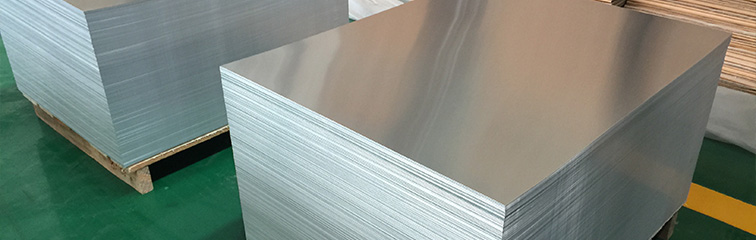
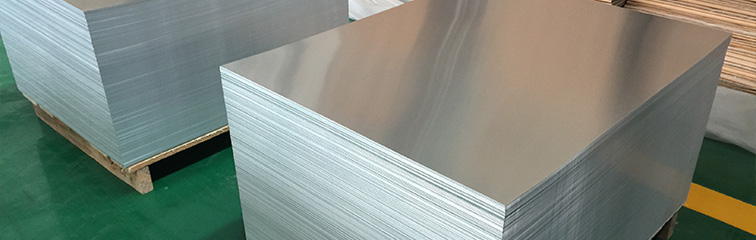
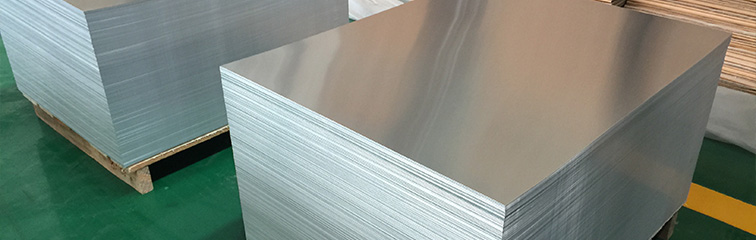
The thickness of 8011 aluminum bottle cap material is not a fixed value. The common thickness range in the industry is between 0.18mm and 0.25mm (considering industry standards and manufacturer specifications). Different thicknesses correspond to different production needs and product positioning, and 0.21mm, with its "balanced" characteristics, has become the most widely used mainstream thickness in the market.
Why has it become the first choice for most wineries? The core reason is that it perfectly balances the four key requirements of "formability, sealing performance, cost, and feel." 8011 aluminum alloy, with added elements such as Fe and Si, and after cold work hardening treatments like H16, possesses high strength and toughness.
A thickness of 0.21mm perfectly maximizes these properties: From a forming process perspective, 0.21mm thick aluminum offers moderate toughness. In bottle cap processing steps such as stamping, folding, and knurling, it easily forms a regular anti-theft serration structure on the cap without the tensile breakage or edge wrinkling issues that can occur with excessive thinness.
The ear-making rate can be controlled within a reasonable range, meeting the high-efficiency processing requirements of automated production lines, making it particularly suitable for mass production of common sizes of anti-theft bottle caps for liquor and wine. Simultaneously, its thickness accuracy is easily controlled, with actual thickness variations consistently within ±0.005mm, ensuring dimensional consistency across batches and reducing production losses.
From a sealing performance perspective, the 0.21mm thickness provides sufficient rigidity for the cap, preventing gaps from forming due to deformation under stress when the cap fits snugly against the bottle opening. Combined with the inner liner, it effectively prevents air and moisture from entering the bottle, leveraging the excellent light-blocking and oxygen-barrier capabilities of 8011 aluminum alloy to extend the shelf life of the wine and prevent oxidation and spoilage—crucial for wines and spirits where flavor retention is paramount.
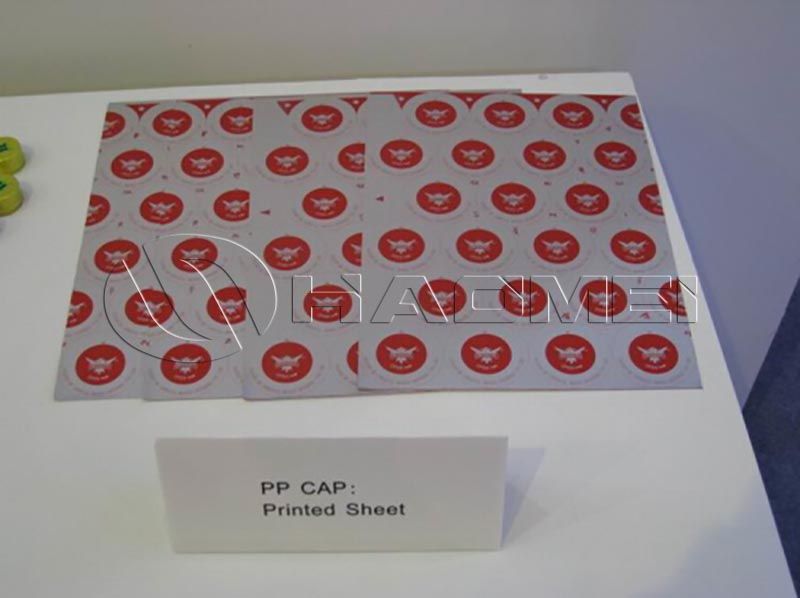
From a cost and feel perspective, the 0.21mm thickness perfectly avoids the pitfalls of "too thick, increasing costs" and "too thin, affecting feel." Compared to thicker materials, it reduces the amount of aluminum used, lowering raw material costs (especially for large-scale wineries, where even slight differences in thickness can lead to significant cost savings). Simultaneously, the moderate thickness provides a comfortable opening force; it's neither too thin, making it easily deformable and difficult to open, nor too thick, making it bulky, thus balancing practicality and consumer experience. Furthermore, its clean and smooth surface, free of blemishes and pinholes, facilitates subsequent printing, lamination, and other decorative processes, enhancing the bottle cap's aesthetics and contributing to a higher product image.
Besides the mainstream thickness of 0.21mm, 8011 aluminum bottle cap material also comes in other common thicknesses, each suitable for different scenarios. Blind selection is not advisable; precise matching based on product positioning is crucial:
1. 0.18mm-0.20mm: This is a thinner option. Its core advantage is extremely low cost and minimal aluminum usage. It's suitable for lower-end wines where quality isn't a primary concern and cost-effectiveness is prioritized, such as simple caps for low-end bottled spirits or bulk wines.
However, this thickness also has significant drawbacks—insufficient stiffness, making it prone to deformation and breakage during stamping; weaker sealing performance, potentially leading to leakage during long-term storage; and easy tearing upon opening, resulting in a poor consumer experience. Its limited puncture and tear resistance makes it unsuitable for wines requiring long-term storage or long-distance transportation.
2. 0.22mm-0.23mm: A thicker version, emphasizing "high strength and high sealing performance," suitable for high-end wines, imported red wines, or spirits requiring long-term storage. This thickness of aluminum material offers higher strength, greater cap rigidity, and superior sealing performance, better protecting the quality of the wine. It also provides stronger anti-theft capabilities, making it harder to open and enhancing product security.
Furthermore, the thicker material offers better printing compatibility, allowing for more refined patterns and textures, aligning with the packaging positioning of high-end wines. However, the downside is higher cost, requiring more raw material than the 0.21mm version, and slightly more force is needed to open it, requiring a balance between feel and performance.
3. 0.24mm-0.25mm: An extra-thick version, rarely used for regular wine bottle caps. Primarily suitable for special scenarios, such as sealing large wine jars, special wine packaging requiring tolerance to extreme environments (high temperature, low temperature, high pressure), or high-end custom wines with extremely high anti-theft requirements.
Its advantages include extremely high strength, strong impact resistance, and excellent deformation resistance. However, this significantly increases costs and processing difficulty, requiring specialized stamping equipment and making it unsuitable for routine mass production.
It's important to note that when choosing the thickness of 8011 aluminum foil for bottle cap, cost or a single performance factor should not be the sole consideration. Three key factors must be considered: Firstly, the characteristics of the liquor. For example, high-proof spirits and red wines require higher sealing performance, so a thickness of 0.21mm or higher is preferable. Secondly, the processing technology. Automated production lines demand higher precision in aluminum material thickness and formability, making 0.21mm the most suitable thickness. Third, the product positioning. Lower-end liquors prioritizing cost-effectiveness can opt for thinner caps, while high-end liquors emphasizing texture and sealing performance can choose thicker caps.
Furthermore, regardless of the chosen thickness, it's crucial to ensure the aluminum foil alloy 8011 meets quality standards—a clean surface free of oil and pinholes, stable mechanical properties, and compliance with food-grade packaging requirements. This ensures both the practicality of the bottle cap and the safety of the liquor. Currently, mainstream manufacturers (such as Mingtai Aluminum) produce 8011 aluminum bottle cap material with complete thickness specifications, which can be customized according to needs. They can also guarantee thickness accuracy and product consistency, making them a more reliable choice.
Tags: aluminum foil for bottle cap |
Original Source: https://www.alclosuresheet.com/a/how-to-choose-8011-aluminum-sheet-thickness-for-wine-bottle-cap.html
Product
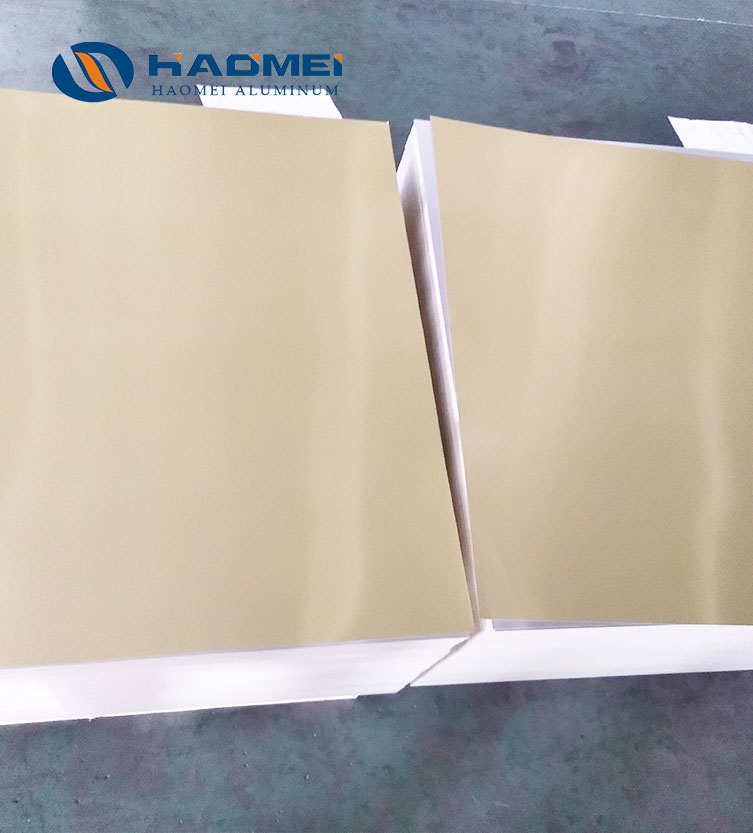
Painted aluminum
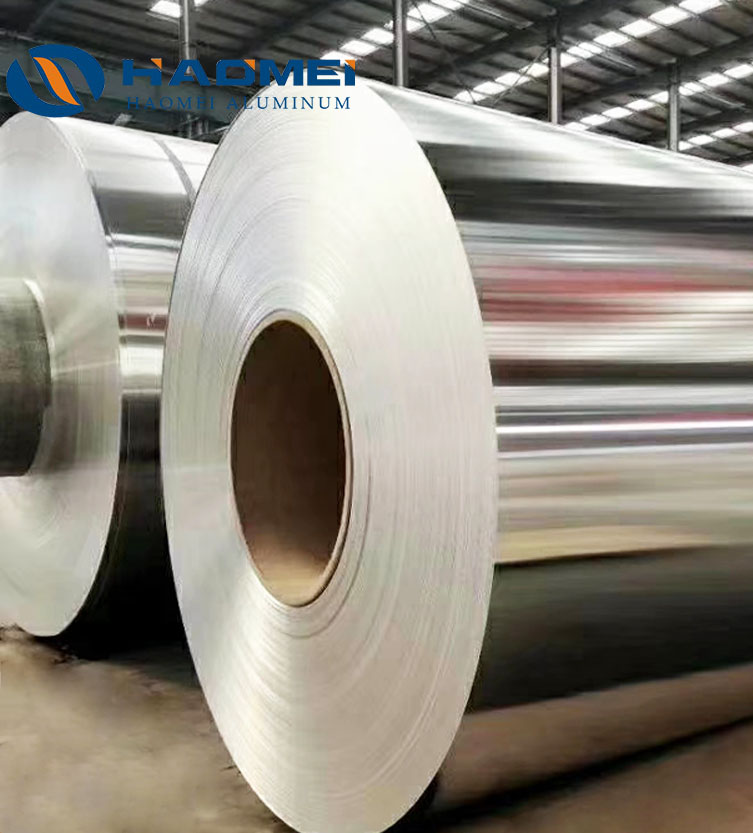
Aluminium Foil Sealing
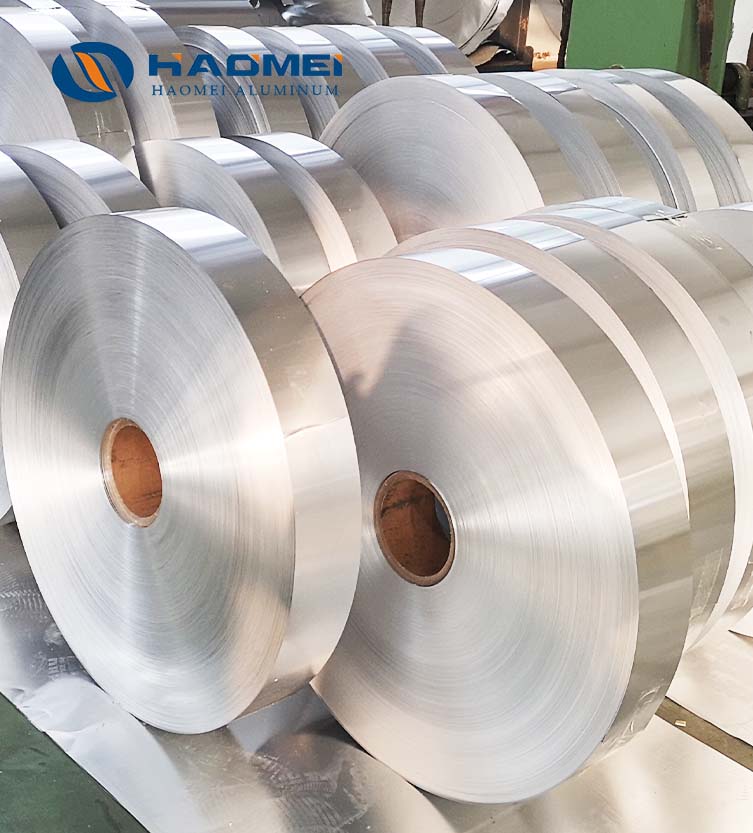
Coated Aluminum Strip
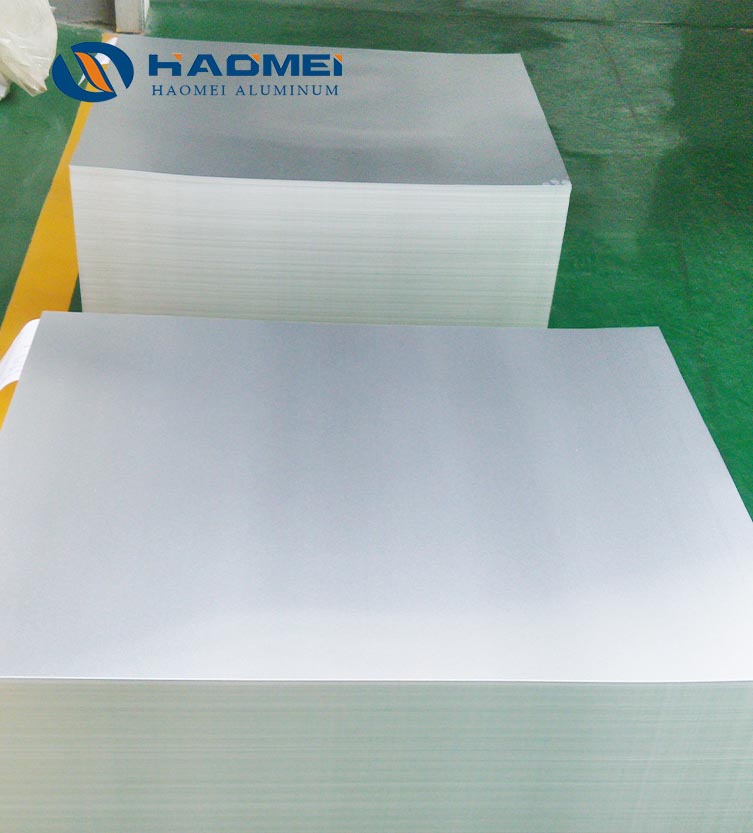
Plain Aluminum
Alloy
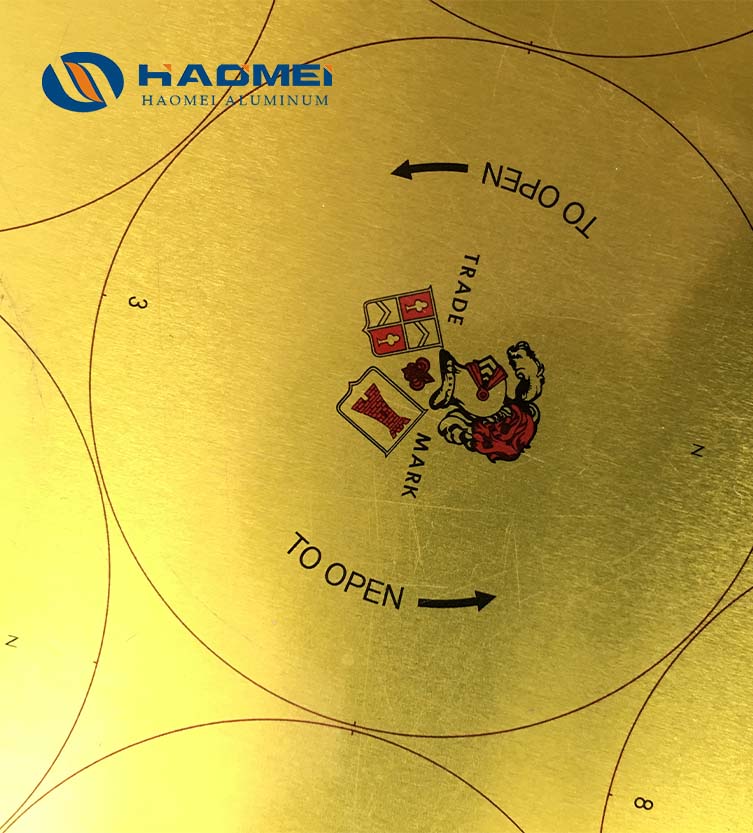
8011
Application
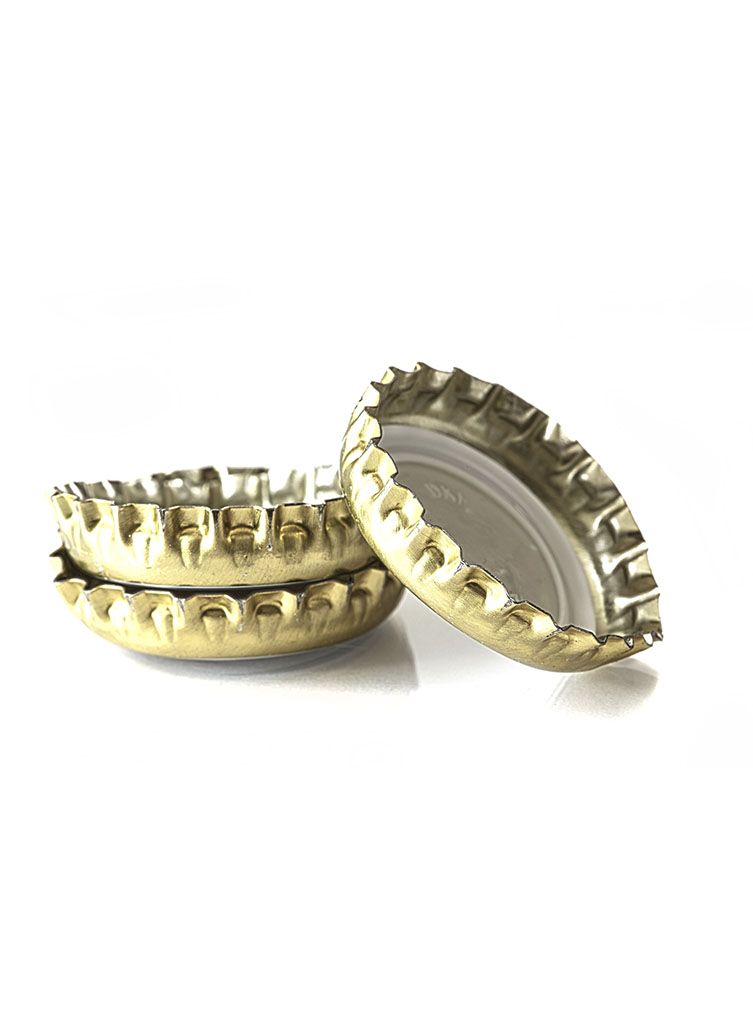
Beer bottle cap
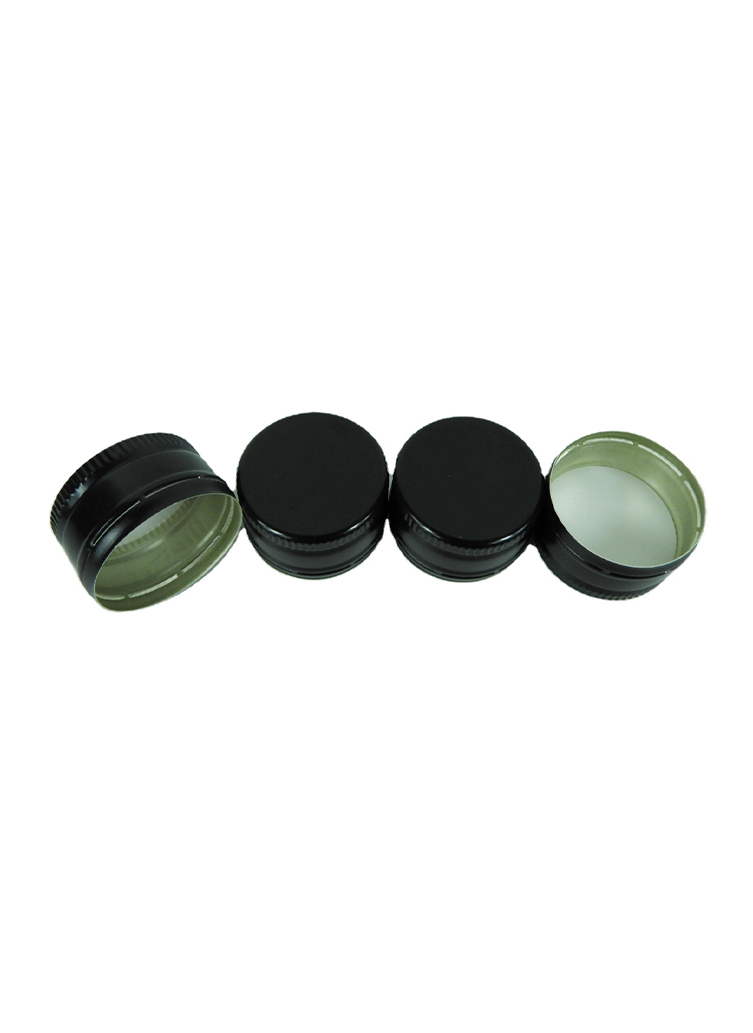
Carbonated beverage cap
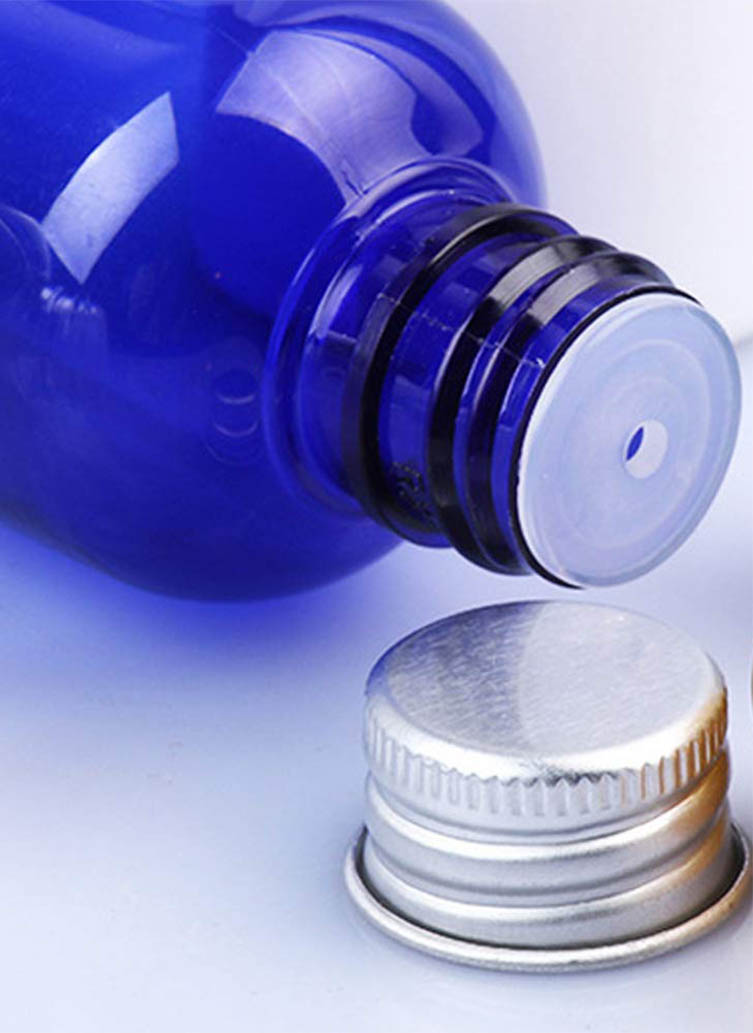
Cosmetic cap
Beverage cap

+86-15978414719


+86-15978414719


sale@alumhm.com