


2026-09-22
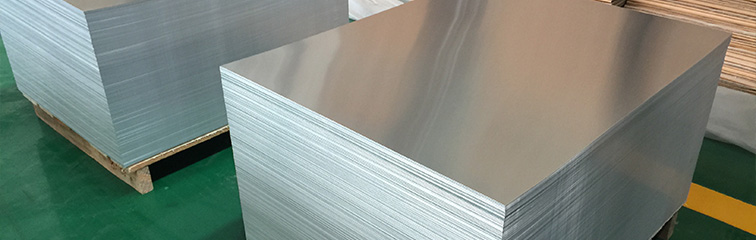
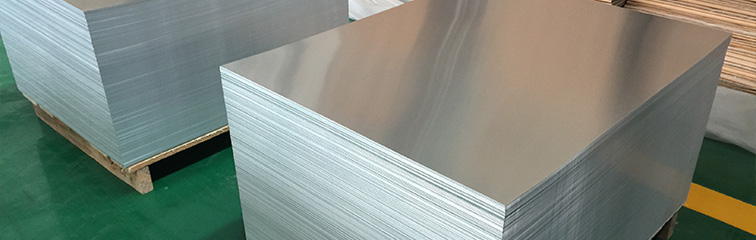
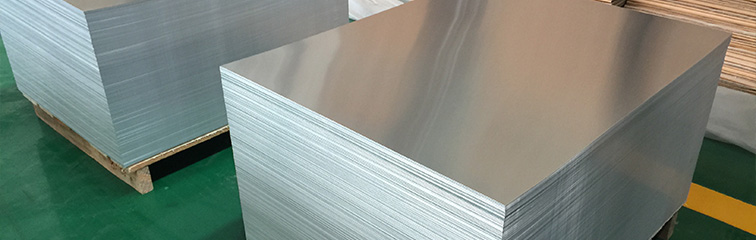
Holiday beverage promotions create a predictable production risk: beverage filling lines accelerate, closure inventories tighten, and cap defects can stop a high-volume campaign. For Christmas, New Year, and year-end gift-pack programs, Aluminum closure sheet should be specified as a production-continuity material, not simply purchased by alloy and thickness.
The primary concern is stable forming performance. Closure stock must feed consistently through blanking, deep drawing, threading, curling, and lining operations. Variation in thickness, surface condition, coating adhesion, or coil shape can increase scrap and interrupt cap-making schedules when replacement material may be harder to arrange.
Start by matching the material to the closure type and conversion process. ROPP caps, screw caps, crown-style components, and decorative beverage closures can have different temper, coating, and dimensional requirements. Do not rely on a generic description such as "soft aluminum sheet." State the measurable requirements in the purchase specification.
| Production concern | Specification to confirm | Why it matters during holiday runs |
|---|---|---|
| Deep drawing and thread formation | Alloy, temper, elongation requirement, and forming trial | Reduces splitting, wrinkling, and unstable thread geometry |
| Cap dimensions | Thickness tolerance, width tolerance, and edge condition | Supports consistent blank size and forming-tool performance |
| Decorative shelf appeal | Coating system, color standard, gloss target, and print artwork approval | Prevents visible variation across promotional packs |
| Automated feeding | Coil inside diameter, outside diameter, coil weight, and winding direction | Avoids incompatible handling or unplanned line changeovers |
| Food-contact conformity | Declaration of compliance for the finished material system | Helps document suitability for the intended market |
For uncoated material, confirm whether Plain Aluminum coil will be lacquered, printed, or converted by your own operation. This determines the surface cleanliness, pretreatment compatibility, and packaging protection needed before coating.
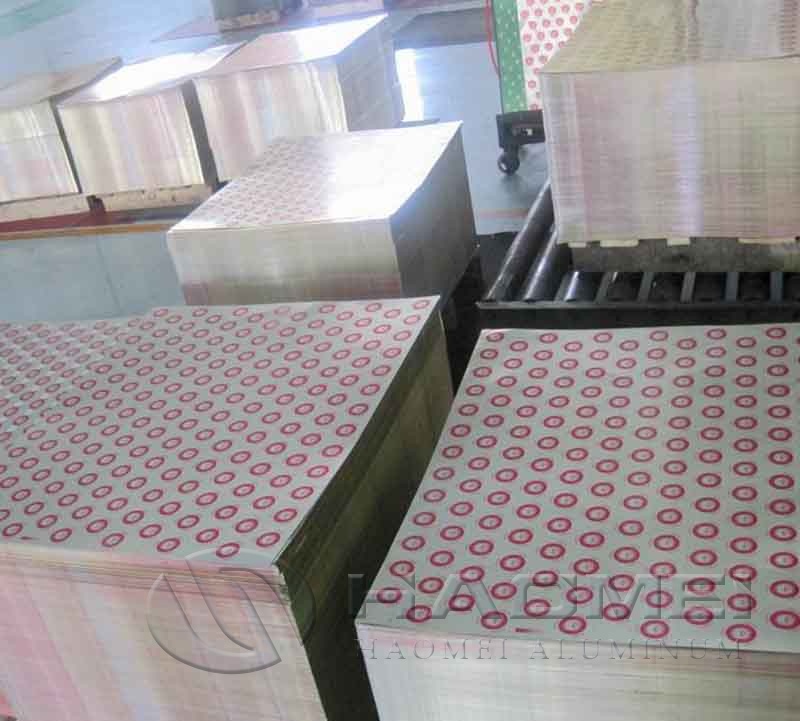
For pre-painted or printed stock, request an approved visual standard and define the inspection point. For example, agree whether color is evaluated before slitting, after printing, or on formed caps. This prevents disputes caused by comparing flat material with curved, reflective closures under different lighting.
Food-contact compliance is not a single global certificate. Requirements depend on the market, the coating system, inks, liners, and the finished closure's intended use. Aluminum metal, organic coatings, and closure liners must be assessed as a system.
Use this document checklist before releasing holiday artwork or setting a production date:
Request the material data sheet with alloy, temper, thickness range, width, coating type, and coil details.
Request a declaration covering the intended food-contact application and destination market.
For EU sales, assess the finished article against Framework Regulation (EC) No 1935/2004 and manufacturing controls under Regulation (EC) No 2023/2006 on good manufacturing practice.
For U.S. applications, verify that the applicable coating or polymeric component is suitable under relevant FDA food-contact rules. Organic coatings are commonly evaluated under 21 CFR 175.300 where applicable.
Keep batch or coil traceability records, including test certificates and delivery identification.
Approve a production sample using the actual drawing, threading, lining, and pasteurization conditions when those operations apply.
These records do not replace the responsibility of the converter or brand owner to validate the final closure. They make it possible to identify material quickly if a holiday production issue occurs.
Sheet, strip, and coil are not interchangeable logistics choices. They affect handling, storage, slitting yield, and production timing. Select the format that reduces work between receipt and cap conversion.
| Format | Best fit | Holiday planning advantage | Control point |
|---|---|---|---|
| Coil | Continuous high-volume blanking and forming | Fewer joins and less manual handling | Confirm coil geometry and winding direction |
| Slit strip | Dedicated cap widths or multiple narrow lanes | Can reduce in-house slitting time | Define width tolerance and edge quality |
| Cut sheet | Short runs, trials, or specialty decorated closures | Easier for controlled small-format feeding | Confirm flatness and protective interleaving |
| Pre-painted sheet or coil | Seasonal colors and branded packs | Removes a coating step from the converter's schedule | Approve color, adhesion, and print registration |
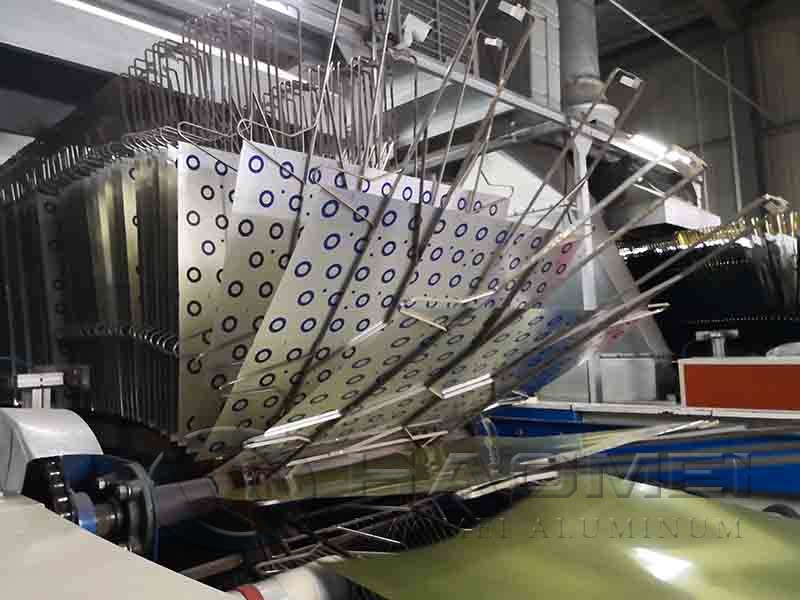
For seasonal artwork, pre-painted stock can reduce process steps, but it requires earlier approval. Printed coils cannot be treated like commodity metal: artwork revisions, color matching, and print registration need a locked production schedule. Specify the direction of print relative to material travel and clearly identify the first acceptable repeat.
If the cap maker coats material in-house, Plain Aluminum sheet may offer greater artwork flexibility. The trade-off is additional coating capacity, curing time, and quality-control work during the busiest period.
A holiday campaign succeeds when material arrives early enough for receiving inspection, line trials, and contingency planning. The relevant date is not the retail holiday. It is the date when the cap line must start stable production.
Use this practical release sequence:
10-14 weeks before cap production: Lock closure dimensions, alloy/temper range, surface finish, coating requirement, and artwork version.
8-10 weeks before: Complete forming samples and obtain written approval for appearance and functional performance.
6-8 weeks before: Release production material after confirming packaging, labeling, coil configuration, and required documents.
2-4 weeks before: Receive material, inspect coil labels and visible surfaces, verify dimensions against the order, and run an incoming trial.
Before full conversion: Retain a reference sample from each coil or production batch for traceability.
Pricing should be requested as a transparent breakdown rather than a single unexplained figure. Ask suppliers to identify aluminum metal basis, conversion charge, coating or printing charge, packaging, testing, and freight terms. This format makes it easier to compare technically equivalent offers and identify whether a lower quote excludes the controls needed for a holiday cap run.
A reliable beverage-closure program pairs the correct aluminum format with measurable forming requirements, documented food-contact controls, and a delivery window that includes time for trial production. That preparation protects promotional timing while helping cap lines maintain consistent output.
Tags: Aluminum closure sheet | beverage cap material |
Original Source: https://www.alclosuresheet.com/a/aluminum-sheet-for-beverage-closures.html

+86-15978414719


+86-15978414719


sale@alumhm.com