


2026-09-16
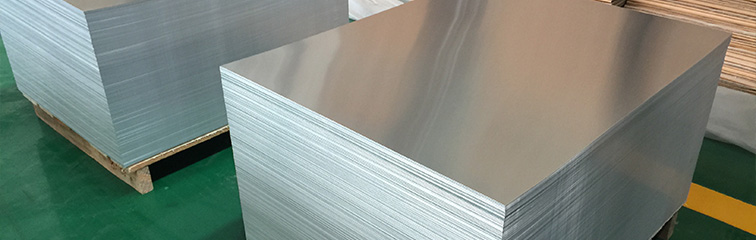
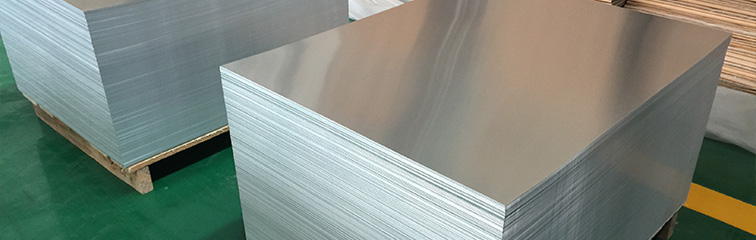
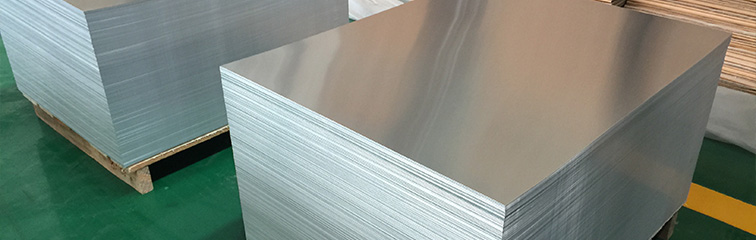
Wine brands and closure converters increasingly evaluate the metal beneath the decoration, because cap performance depends on much more than an attractive finish. Aluminum sheet for wine screw caps must be selected for consistent deep drawing, reliable thread formation, food-contact suitability, and stable printing or coating adhesion.
The following questions reflect recurring discussions among wineries, packaging teams, and aluminum bottle cap making operations. The answers focus on practical purchasing and production factors that can prevent cracking, color variation, liner issues, and inconsistent cap dimensions.
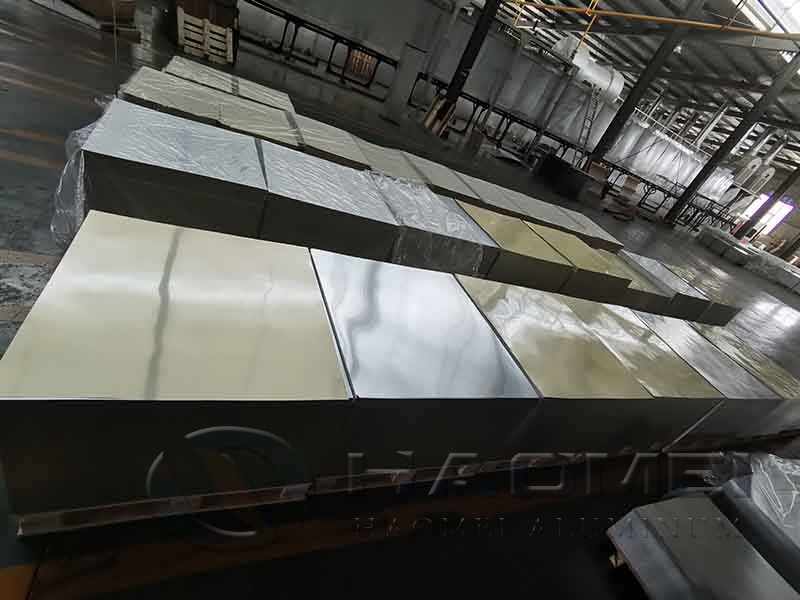
The most common material is aluminum alloy 8011, frequently supplied in H14, H16, or H18 temper depending on the cap design and conversion route. For wine screw caps, 8011 offers a useful balance of formability, surface quality, strength, and process stability. It can be blanked, drawn, threaded, knurled, and decorated without behaving as unpredictably as a harder, less ductile sheet.
Temper selection should not be treated as a catalog-only decision. A lower hardness temper can improve drawing performance for deeper cap shells, while a somewhat harder temper may support better resistance to dents in handling. The correct choice depends on cap diameter, skirt length, thread profile, embossing, and the press setup.
| Requirement | Material Feature to Review | Why It Matters |
|---|---|---|
| Deep drawing | Elongation and temper consistency | Reduces skirt cracking and wrinkling |
| Thread formation | Stable mechanical properties | Helps create clean, repeatable threads |
| Decoration | Smooth surface and coating adhesion | Supports even paint and print appearance |
| Handling strength | Tensile strength and hardness | Limits dents during filling and transport |
| Food packaging use | Controlled composition and coating system | Supports compliance documentation |
A material certificate should list alloy, temper, thickness, width, mechanical properties, and coil identification. For repeat production, ask for narrow tolerances rather than relying only on nominal specifications. A cap press can react noticeably to minor variations in thickness or hardness.
Wine screw cap stock is commonly produced in a thin-gauge range, often around 0.20 mm to 0.23 mm, although actual requirements vary by closure diameter, cap height, liner design, and desired rigidity. Large-diameter or premium-feel closures may call for a different gauge than standard wine caps.
Selecting a thicker sheet simply to make the cap feel stronger can create new problems. Excessive thickness raises blanking and drawing force, may increase tool wear, and can make thread forming more difficult. An overly thin sheet, on the other hand, can lead to denting, edge splits, or reduced thread definition.
Instead of specifying thickness in isolation, match it to the cap drawing ratio and tooling capability. A trial run with production-representative blanks is valuable when changing suppliers, especially if the cap uses a long skirt, rolled edge, or detailed embossing.
For uncoated conversion material, Plain Aluminum can be a suitable starting point when the cap maker applies its own lacquer, paint, or printing system. This option allows closer control of decoration, but it also places more responsibility on the converter to maintain coating quality and curing conditions.
The appropriate supply condition depends on where the decoration process happens. Plain sheet is often chosen by converters with established coating and printing lines. Painted aluminum sheet is practical when a solid-color cap is required and the converter wants to simplify its process. Pre-printed aluminum is useful for brands requiring logos, complex artwork, metallic effects, or tight visual consistency across large runs.
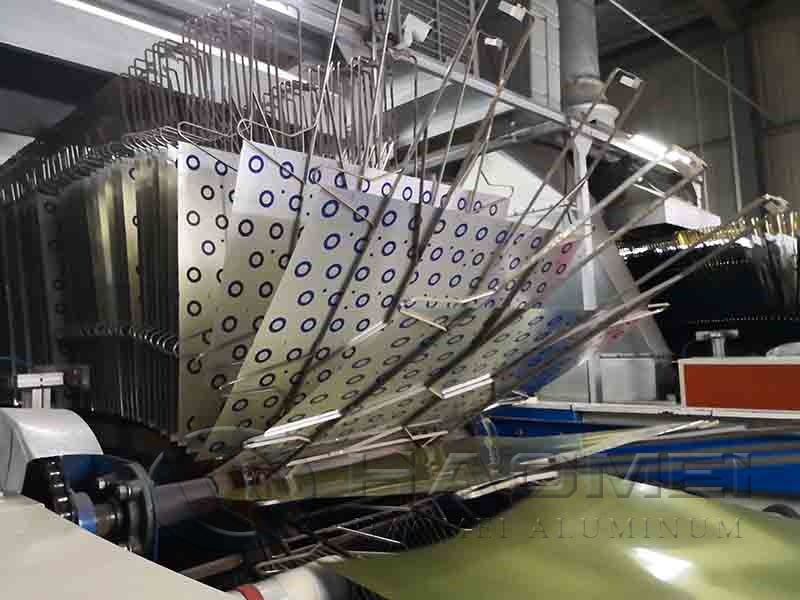
Pre-painted and pre-printed stock can reduce handling steps, but it must be engineered for forming. The coating needs enough flexibility to stretch during drawing and thread formation without cracking, whitening, or losing adhesion. Ask the supplier whether the coating was tested after cap forming, not merely tested on a flat panel.
Important decoration questions include:
For premium wine closures, visual consistency is particularly important. Coil-to-coil variation in gloss, metallic tone, or white coverage can become highly visible when caps are displayed together on retail shelves.
Most forming defects result from an interaction between material condition and tooling rather than from one issue alone. Cracks near the skirt or thread area may indicate insufficient elongation, an overly hard temper, sharp tooling radii, poor lubrication, or excessive draw severity. Wrinkles can develop when blank-holder pressure, material flow, and blank dimensions are not balanced.
Orange-peel texture is a different concern. It can appear when the surface deforms unevenly during forming, especially if the material grain structure, coating behavior, or forming conditions are unsuitable. Because a wine screw cap is both functional and decorative, surface defects can cause rejection even when the cap still seals correctly.
A practical troubleshooting sequence is to first compare the defective coil with an approved coil: thickness, hardness, tensile strength, elongation, coating weight, and surface appearance. Next, inspect die wear, punch alignment, lubricant condition, and press settings. Changing the aluminum sheet before confirming the tooling condition can waste time and obscure the real cause.
New purchasers should request evidence that is relevant to the full closure system, not only the aluminum substrate. At minimum, obtain a mill test certificate showing alloy and temper, dimensional inspection data, and coil traceability. For coated material, request coating specifications, adhesion results, cure information, and surface-quality criteria.
For wine screw caps, it is also sensible to clarify food-contact responsibilities. The aluminum sheet supplier may provide the metal and lacquer documentation, while the cap converter or liner producer may hold separate records for the finished closure. Establishing these responsibilities early avoids assuming that one document covers every component touching the package environment.
Before approving a recurring supply program, define acceptance points in writing. These can include thickness tolerance, width tolerance, allowable edge wave, coil ID, surface defect limits, color control method, coating adhesion after forming, and packaging protection. A well-defined specification makes it easier to compare offers fairly and maintain consistent cap-making performance across future coil deliveries.
Tags: aluminum sheet for wine screw caps | aluminum closure sheet | wine screw cap material | aluminum bottle cap making |
Original Source: https://www.alclosuresheet.com/a/aluminum-sheet-for-wine-screw-caps.html

+86-15978414719


+86-15978414719


sale@alumhm.com