


2026-09-30
Aluminum closure stock must form consistently at high press speeds without cracking, excessive earing, coating damage, or print-registration variation. For cap converters, the highest-impact purchasing concern is usually forming consistency: one coil with unstable mechanical properties can create line stoppages, high scrap, and inconsistent cap skirt dimensions.
This article focuses on how to specify plain, painted, and printed aluminum material for ROPP, pilfer-proof, screw-cap, and cosmetic closures.

Most beverage and wine closure shells are made from 3xxx or 8xxx series aluminum. The correct choice depends on cap geometry, drawing depth, decoration route, and the forming equipment used by the converter.
| Cap application | Common material options | Typical temper range | Practical purchasing focus |
|---|---|---|---|
| ROPP wine and spirits caps | AA 3105 | H14, H16, H18 | Stable drawability, controlled earing, clean cut edge |
| Pilfer-proof beverage closures | AA 3105, AA 8011 | H14, H16 | Skirt forming and thread performance |
| Pharmaceutical and cosmetic closures | AA 8011, AA 3105 | H14, H16 | Surface cleanliness, coating adhesion, appearance |
| Printed promotional caps | AA 3105 with coated surface | Project-specific | Color consistency, ink adhesion, registration stability |
AA 3105 is widely used for closure stock because its manganese-containing composition provides useful strength after strain hardening while retaining formability. AA 8011 is also common where the cap design and converter process require a different balance of formability and surface characteristics.
Do not order by alloy and thickness alone. Add measurable acceptance criteria to the purchase specification:
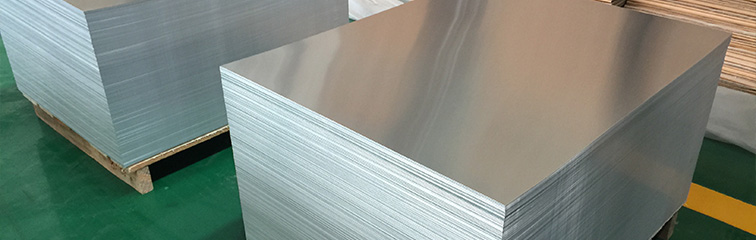
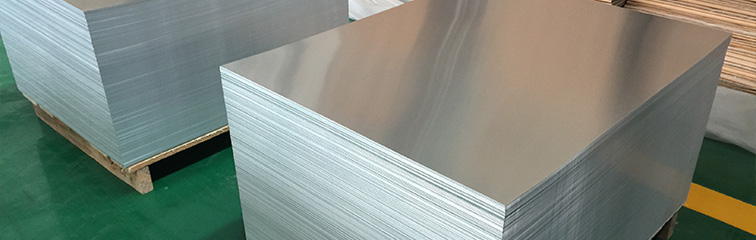
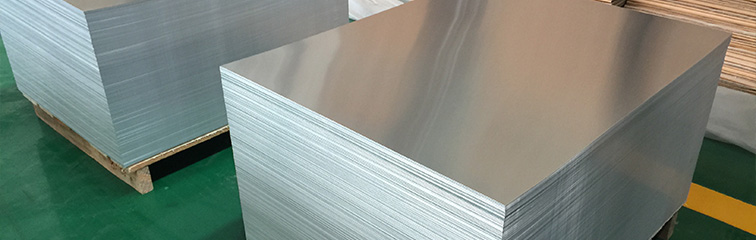
For plain stock, use Plain Aluminum when the converter applies its own coatings or printing. This route can improve flexibility for changing brands, but it transfers surface-treatment control and coating-line risk to the cap producer.
A material trial should use production tooling, not only laboratory cupping. Measure shell height, skirt split rate, earing profile, curl quality, thread formation, and scrap rate across the full coil length. Front-end samples can look acceptable while later coil sections reveal variations in gauge, lubrication, or hardness.
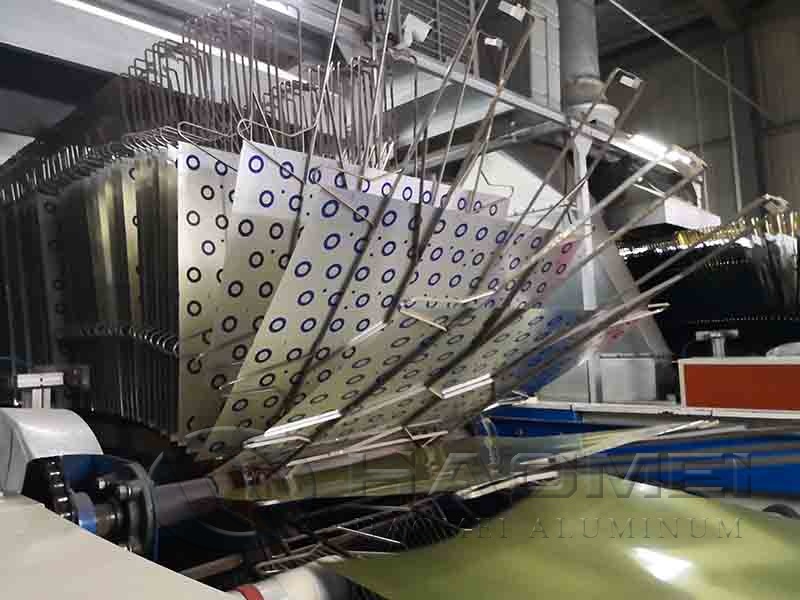
Pre-painted and pre-printed coil can shorten conversion steps, but coating performance must survive blanking, shell drawing, knurling, curling, and capping. The coating system is not merely decorative; it affects lubrication, metal protection, food-contact compliance, and brand appearance.
| Material route | Advantages | Main technical risk | Required incoming check |
|---|---|---|---|
| Plain mill-finish coil | Maximum downstream flexibility | Converter controls pretreatment and coating quality | Surface cleanliness, rolling oil level, oxidation |
| Painted coil | Consistent external color and reduced in-house processing | Coating cracks during drawing or poor adhesion | Film thickness, bend test, adhesion, color |
| Printed coil | Branding is completed before stamping | Registration shift, ink scuffing, visual defects | Registration, rub resistance, gloss, shade variation |
For coated stock, request the full coating build-up: pretreatment, primer, topcoat, varnish, and dry-film thickness. A coating supplier should define the test method, not simply state that the material is "food grade."
Useful quality checks include:
The most common decoration dispute is not an obvious defect; it is batch-to-batch shade variation. Control this with retained approved standards, a defined color-difference method, and agreement on whether readings are taken before or after cap forming. Metallic, matte, and high-gloss finishes require especially careful visual approval because instrumental values alone may not capture perceived variation.
Aluminum closure material pricing is normally formula-based rather than fixed for long periods. The main elements are the reference aluminum price, regional physical premium, conversion charge, coating or printing charge, packaging, freight, duties, and finance costs. The London Metal Exchange publishes official aluminum reference prices, but an LME value is only one component of delivered closure-sheet cost.
| Cost driver | What changes it | Procurement control action |
|---|---|---|
| Primary aluminum reference price | Global supply, energy, macroeconomic conditions | Agree pricing basis, quotation date, and hedge responsibility |
| Regional premium | Local supply-demand balance, logistics, tariffs | Separate premium from conversion in quotations |
| Conversion charge | Mill utilization, gauge, width, yield loss | Compare like-for-like tolerances and coil weights |
| Paint and print cost | Pigments, resin system, design complexity | Freeze approved artwork and coating specification |
| Freight and packaging | Distance, container availability, coil protection | Specify seaworthy packaging and moisture barriers |
| Scrap and claims | Formability and coating failures | Set claim evidence, traceability, and response timing |
Market cycles matter. When aluminum demand, energy prices, or transport constraints rise, lead times and regional premiums can move independently from the metal exchange price. A practical supply plan therefore uses more than one approved mill or converter route, while maintaining comparable specifications. Dual sourcing without aligned temper, coating, and testing criteria often creates more variation than it removes.
For food-contact applications, verify the intended market before approving material. In the United States, coating systems used in food-contact packaging may fall under applicable FDA indirect food additive regulations, including 21 CFR 175.300 for resinous and polymeric coatings where applicable. In the EU, food-contact materials must meet the framework requirements of Regulation (EC) No 1935/2004 and good manufacturing practice requirements under Regulation (EC) No 2023/2006. For metals and alloys, the Council of Europe Resolution CM/Res(2013)9 provides technical guidance and lists a specific release limit of 5 mg/kg food for aluminum.
Request a declaration of compliance that identifies the substrate, coating system, intended food-contact conditions, migration basis where relevant, and applicable regulatory market. Also require coil-level traceability, material test certificates, and documented change notification for alloy source, pretreatment, coating formulation, or curing conditions.
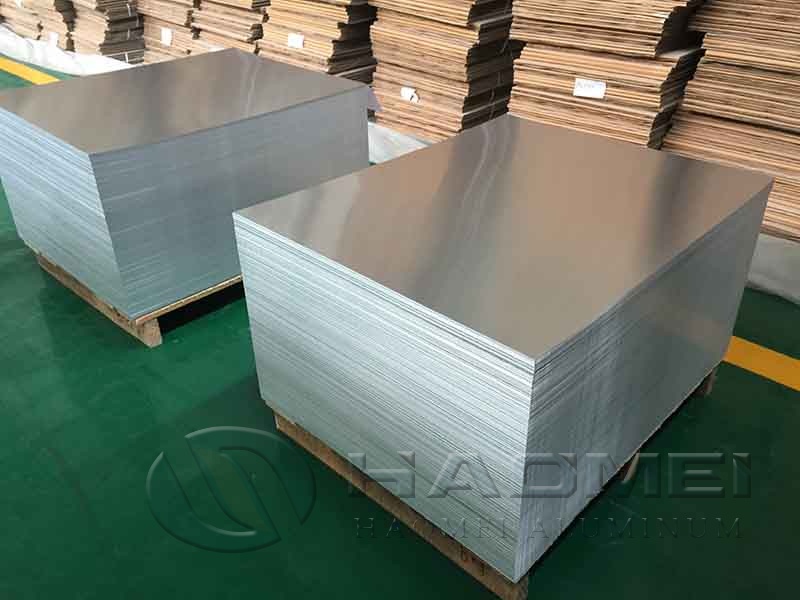
A workable incoming-control plan is to inspect every coil for identity, dimensions, packaging damage, surface defects, and certificate match; then test representative coils for thickness, mechanical properties, coating performance, and trial forming. Track results by coil number and press line. This creates evidence for fast containment when cap defects appear and prevents unrelated lots from being unnecessarily rejected.
Authoritative references for specification review include Aluminum Association alloy designations, ASTM B209 for aluminum and aluminum-alloy sheet and plate, FDA food-contact regulations, and the European Commission food-contact materials framework.
Tags: aluminum closure sheet | ROPP cap material | painted aluminum coil | bottle cap stock |
Original Source: https://www.alclosuresheet.com/a/aluminum-coil-for-cap-making.html

+86-15978414719


+86-15978414719


sale@alumhm.com