


2026-08-12
Holiday beverage, edible-oil, syrup, and gift-set programs create a predictable packaging risk: caps must be formed, decorated, lined, filled, and delivered on a fixed retail date. For converters and closure manufacturers, the most important property of aluminum screw cap material is stable formability.
A coil that varies in temper, thickness, coating adhesion, or surface quality can cause tearing during deep drawing, inconsistent knurling, print defects, and line interruptions. During year-end campaigns such as Christmas, New Year, and Lunar New Year preparation, there is little calendar space for remakes. The practical holiday solution is to specify closure stock around the actual cap-forming process, then lock inspection criteria before production.

ROPP and other aluminum screw caps are generally made by blanking and forming thin aluminum sheet or coil, followed by decoration, liner application, and cap forming. A bright surface or holiday color is useful only after the metal performs consistently in the press.
Start with the cap drawing depth, shell diameter, skirt design, thread profile, and required embossing. These details determine whether the material needs a softer temper, a controlled thickness range, or a particular alloy family. Common closure-stock alloy families include AA 1050, AA 1060, AA 1070, AA 1100, AA 3003, and AA 8011, but alloy selection must be confirmed against the converter's tooling and the required mechanical properties.
Do not approve material based only on an alloy label. The order specification should state measurable requirements, including thickness, width, coil ID and OD, temper, surface finish, coating system, and permitted defects.
| Production concern | What to specify | Why it matters during holiday runs |
|---|---|---|
| Cracking at the skirt or thread | Alloy, temper, tensile properties, elongation test method | Reduces splits during drawing and roll-on forming |
| Uneven cap dimensions | Thickness tolerance and flatness requirements | Supports consistent shell height and thread formation |
| Printing loss or coating peel | Coating type, dry-film target, adhesion test, cure condition | Protects seasonal graphics during handling and filling |
| Pinholes or surface marks | Surface inspection standard and allowable defect level | Helps prevent visible defects on premium gift packaging |
| Food-contact compliance | Declaration of compliance, migration support, coating/ink data | Enables documented review for packaged food and beverages |
Where food contact is involved, request documents relevant to the destination market. In the United States, coatings used on food-contact articles may need to meet applicable U.S. FDA requirements, including 21 CFR Part 175 where relevant. In the EU, food-contact materials are governed by Framework Regulation (EC) No 1935/2004 and GMP Regulation (EC) No 2023/2006. These regulations do not automatically approve every finished cap: the final closure system, including coating, ink, liner, and intended use, must be assessed by the responsible supply chain parties.
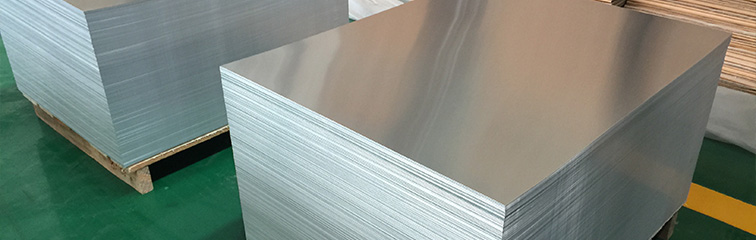
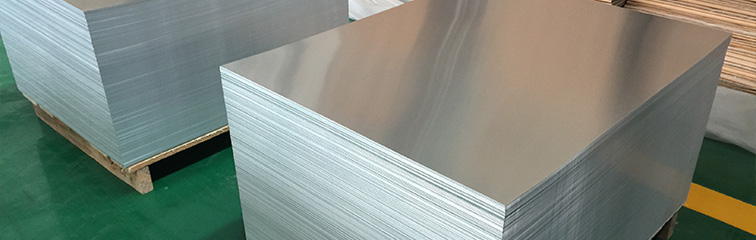
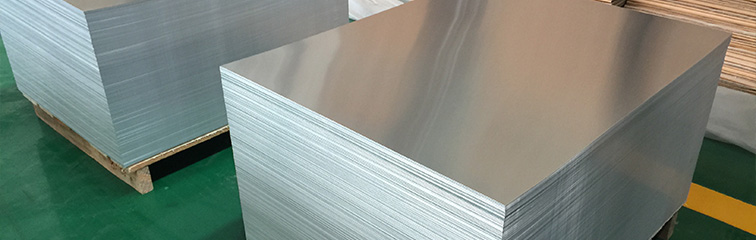
For uncoated or coated base stock, Plain Aluminum provides a practical starting point when your process requires in-house lacquering, printing, or color matching. Confirm the surface condition required by your coating line before choosing mill finish, pre-lacquered stock, or printed stock.
Holiday packaging does not require vague promises of fast delivery. It requires a release process that identifies failure points early enough to correct them. Use the following control plan before placing a production order.
Freeze the cap drawing specification. Provide cap drawings, target dimensions, thread details, and sample caps if available. Material suppliers can then evaluate alloy, temper, and thickness against the actual forming demand.
Set a test coil or trial quantity. Run the material on the same press, tooling, lubricants, decorating process, and lining system planned for the seasonal campaign. Record scrap causes rather than accepting a general pass/fail result.
Define incoming inspection. Check thickness with calibrated instruments, verify width and coil dimensions, inspect both surfaces under agreed lighting, and retain coil identification for traceability.
Approve decoration separately. If seasonal graphics include metallic gold, white, or high-contrast printing, confirm color standard, gloss target, adhesion method, and abrasion resistance with the print or lacquer supplier.
Reserve time for conversion and distribution. Work backward from the retail launch date. Include time for slitting, printing, curing, cap forming, lining, filling trials, transport, and contingency stock. Do not treat mill completion as the finished-cap delivery date.
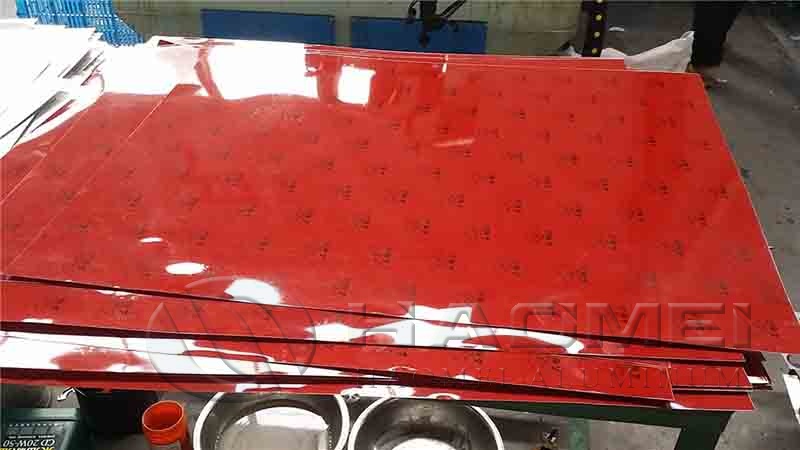
The correct supply format depends on where value is added in your operation. The table below focuses on formability control while showing where each option fits.
| Material format | Best fit | Formability control point | Holiday-program advantage |
|---|---|---|---|
| Plain coil or sheet | Converters with coating and printing capacity | Base metal, temper, thickness, surface cleanliness | Flexible for custom seasonal colors and short design changes |
| Pre-lacquered closure stock | Operations using standard colors and coatings | Coating adhesion plus forming performance | Removes one in-house coating step and supports repeatable appearance |
| Printed closure sheet | Established artwork with validated forming process | Ink/lacquer flexibility and print registration | Enables branded caps for gift packs and limited-edition releases |
| Slit coil | High-volume automated cap lines | Width, edge quality, coil geometry | Reduces handling and supports steady press feeding |

A seasonal cap program should also separate visual approval from technical approval. A printed sample can look correct but fail at the thread, while an excellent forming coil can become unsuitable after an incompatible lacquer or curing schedule. Require approval records for both stages.
Before release, confirm this checklist: cap drawing and tooling data supplied; alloy and temper agreed; thickness and width tolerances written; surface and edge criteria defined; coating or print compatibility trial completed; food-contact documentation reviewed where applicable; coil traceability retained; and the production calendar includes conversion, filling, and shipping time. This approach keeps stable formability at the center of holiday packaging reliability.
Tags: Aluminum screw cap stock | ROPP cap aluminum | closure sheet |
Original Source: https://www.alclosuresheet.com/a/aluminum-screw-cap-material.html

+86-15978414719


+86-15978414719


sale@alumhm.com