


2026-05-29
For aluminum bottle caps, the top concern is not only price. It is whether the coating survives deep drawing, knurling, perforation, sterilization, filling-line friction and storage without cracking, odor transfer or corrosion. A low-priced coil can become expensive if the cap maker faces lacquer pickup, poor adhesion or rejected food-contact documentation.
Painted aluminum for closures is usually aluminum sheet or coil pre-treated and coated before slitting, printing or cap forming. It is widely used for ROPP caps, pilfer-proof caps, wine and spirits closures, pharmaceutical caps, cosmetic caps and beverage seals.
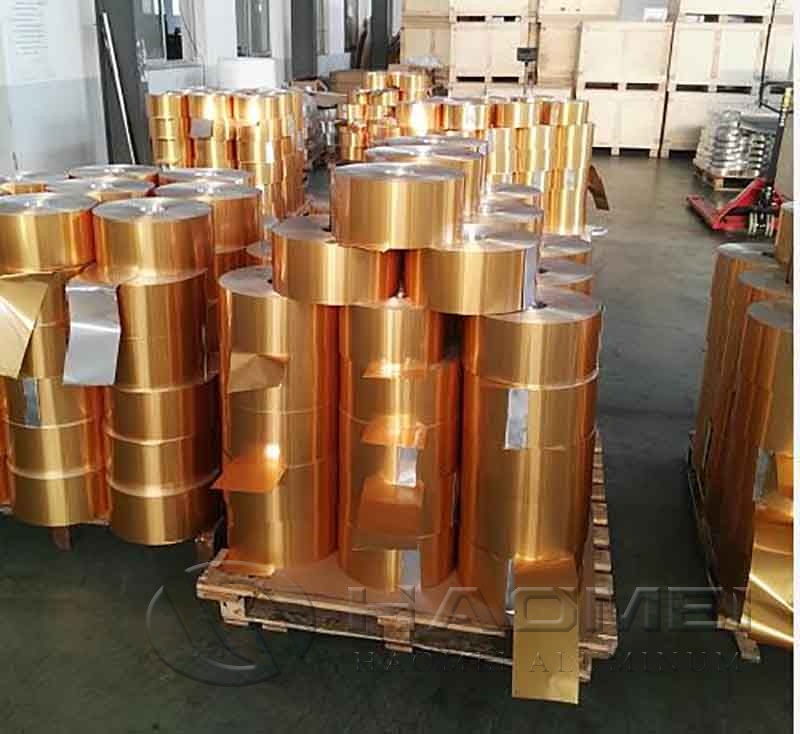
The most important feature to specify is coating adhesion after deformation. Bottle cap material is not a flat decorative panel. It is drawn, scored, curled and sometimes exposed to steam pasteurization or hot filling. The coating must remain continuous after these stresses.
A practical specification should separate metal properties from coating properties:
| Item | Typical control point | Why it matters |
|---|---|---|
| Alloy | 8011, 3105 and related closure alloys are common | Balances formability, strength and corrosion resistance |
| Temper | H14, H16 or other agreed temper | Controls drawing behavior and cap torque stability |
| Thickness | Often around 0.18-0.25 mm, subject to cap design | Affects forming, thread strength and cost per cap |
| Coating weight | Agreed in g/m² per side | Too low risks corrosion; too high risks cracking or blocking |
| Adhesion | Cross-cut, tape test or forming test after curing | Predicts coating loss during cap production |
| Food contact | Migration and declaration package | Required for regulated packaging markets |
The exact values must be agreed by cap design, product filling condition and local regulation. Do not accept generic coating claims without test method, acceptance level and production-lot traceability.
A reliable coated closure sheet process follows controlled steps, not only visual painting.
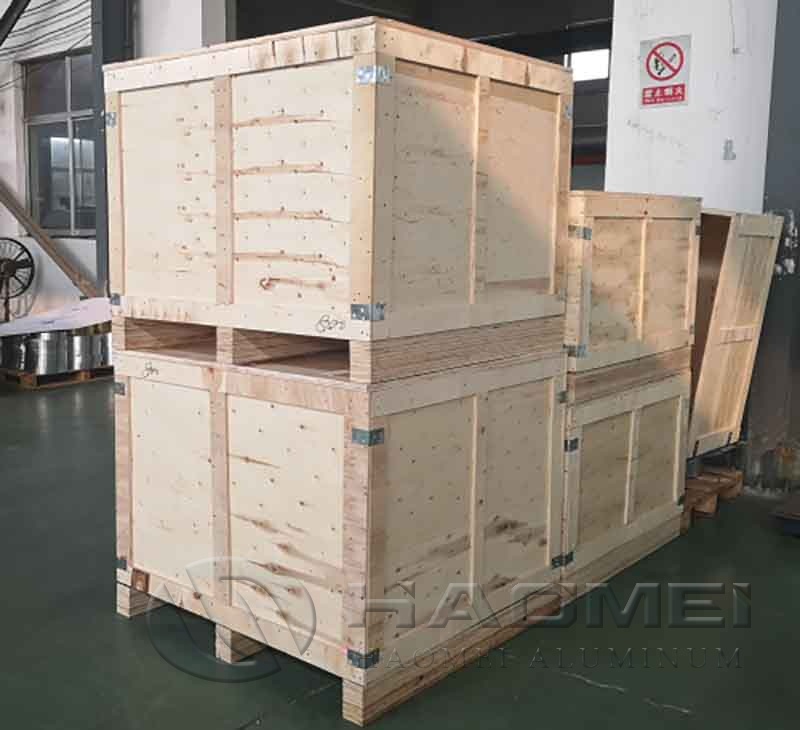
Use this incoming inspection checklist before releasing material to production:
Different purchasing scenarios require different levels of conversion before cap forming.
| Material type | Best use case | Advantages | Risks to manage |
|---|---|---|---|
| Plain aluminum closure sheet | In-house coating or simple technical caps | Flexible inventory and lower conversion cost | Requires coating line and food-contact control |
| Pre-coated coil | Large-scale cap production with stable color | Faster cap making and consistent appearance | Adhesion, curing and storage life must be verified |
| Printed closure sheet | Branded wine, spirits, beverage or pharma caps | Strong shelf recognition and reduced printing work | Registration accuracy, ink resistance and MOQ planning |
For brand-sensitive closures, color repeatability should be treated as a specification item. Define ΔE tolerance, gloss range, print layout tolerance and approved light source. Visual approval alone creates disputes when caps are inspected under different lighting.
Closure stock touches regulated packaging supply chains, so documentation must match the destination market and packed product.
Common references include:
Do not interpret a general ISO 9001 certificate as food-contact approval. ISO 9001 supports quality management, but migration testing, composition declaration and application suitability must be documented separately.
For pharmaceutical closures, ask for additional controls: low odor, clean packing, restricted substances declaration, and compatibility with sterilization or disinfection conditions. For alcoholic beverages, confirm resistance to ethanol exposure and cap liner interaction.
Painted closure material pricing usually follows a transparent structure:
| Cost component | Main driver | How to control it |
|---|---|---|
| Aluminum base | LME aluminum price, regional premium, exchange rate | Use clear pricing formula and quotation validity |
| Rolling conversion | Thickness, width, temper, surface demand | Standardize widths and tolerances where possible |
| Coating cost | Resin type, pigment, coating weight, curing energy | Avoid over-specifying coating weight without need |
| Printing cost | Number of colors, ink system, registration demand | Consolidate artwork and forecast production windows |
| Slitting and packing | Coil size, export packing, moisture barrier | Match coil dimensions to cap-line capability |
| Logistics | Freight mode, port congestion, insurance | Plan safety stock around seasonal demand |
LME publishes official aluminum reference prices daily, so metal movement is verifiable. Conversion charges are supplier-specific and depend on energy, coating chemistry, yield loss and order complexity. When comparing offers, normalize thickness, coating structure, packing, tolerances and certificates; otherwise the apparent cheaper coil may not be comparable.
Aluminum closure stock is affected by several cycles: primary aluminum price, energy cost, coating resin supply, beverage seasonality and freight availability. Beverage and wine closure demand often rises ahead of summer sales periods and holiday filling schedules, while coating and printing lead times lengthen when many brands release new packaging at the same time.
A practical sourcing plan should include:
Sustainability requests are also increasing. Aluminum is highly recyclable, and industry bodies such as the International Aluminium Institute and The Aluminum Association commonly report that recycling aluminum saves up to 95% of the energy required for primary production. If recycled content is required, define whether it means pre-consumer, post-consumer or total recycled content, and request traceable evidence.
Use the following structure when requesting quotations for aluminum bottle cap material:
| Section | Information to include |
|---|---|
| Metal | Alloy, temper, thickness, width, tolerance, surface side |
| Coating | Inner and outer coating type, color, gloss, coating weight, curing requirement |
| Performance | Adhesion, bend test, sterilization resistance, solvent resistance, corrosion resistance |
| Printing | Artwork file, color standard, registration tolerance, varnish requirement |
| Compliance | Food-contact regulation, migration report, restricted substances declaration |
| Packing | Coil weight, ID, OD, pallet type, moisture barrier, label information |
| Commercial | Pricing formula, lead time, validity, claim process, retained samples |
A disciplined specification protects both sides: the supplier understands the real application, and the purchasing team receives material that can run efficiently on cap lines. For closure applications, coating adhesion, compliant chemistry and stable forming performance should carry the same weight as the aluminum base price.
Tags: Painted Aluminum | Aluminum Closure Sheet | Bottle Cap Material | Aluminum Closure Stock |
Original Source: https://www.alclosuresheet.com/a/painted-aluminum.html

+86-15978414719


+86-15978414719


sale@alumhm.com