



2026-07-22
Holiday beverage promotions, gift packs, and limited-edition spirits create a predictable pressure point for closure converters: cap-shell production must remain stable while decoration schedules, carrier capacity, and plant holidays compress lead times.
For operations sourcing Aluminum Sheet for PP ROPP Caps, the primary holiday risk is not simply material availability. It is inconsistent forming performance that causes splits, wrinkling, poor curl quality, or printing defects after production has already been scheduled. A well-defined closure-stock specification helps protect output when Q4 demand rises.
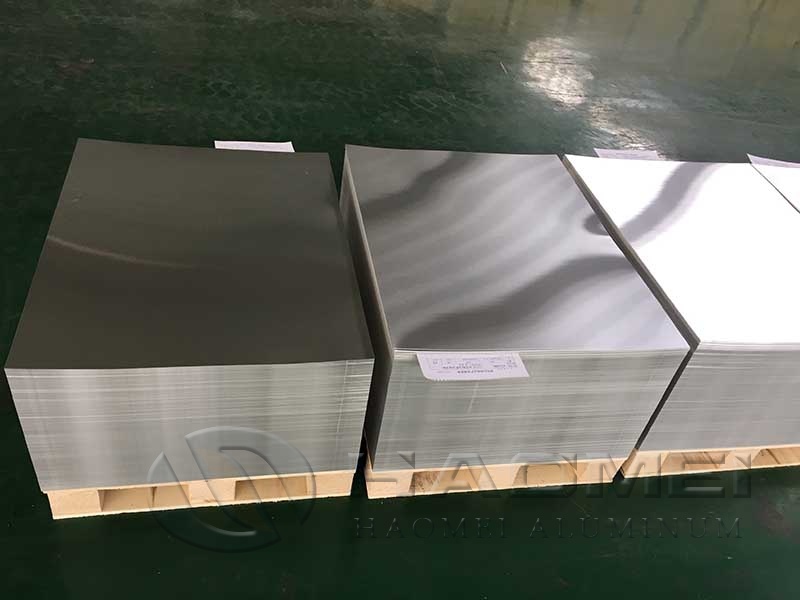
The term PP ROPP may be used differently across supply chains. Confirm whether PP refers to a polypropylene liner, a coating requirement, or an internal product designation. ROPP means roll-on pilfer-proof, a closure formed and threaded on the bottle during capping. The aluminum substrate, surface treatment, coatings, and cap-converter tooling must therefore be reviewed as one system.
ROPP cap stock is commonly slit from coil into widths suited to cap-shell presses. During high-volume seasonal production, small variations in mechanical properties or surface condition can interrupt feeding, deep drawing, knurling, curling, and printing. The practical objective is repeatable conversion behavior from the first coil to the final scheduled run.
Do not order only by thickness and width. Request a documented specification covering the material state needed by the converter's tooling. Alloy and temper must be agreed with the cap manufacturer, because each shell diameter, draw depth, and forming sequence creates different demands.
| Production concern | What to define in the purchase specification | Holiday impact if omitted |
|---|---|---|
| Deep drawing and curling | Alloy, temper, thickness tolerance, mechanical-property targets | Cracking, wrinkling, curl defects, and lost press time |
| Coil processing | Width, edge condition, coil ID, maximum coil weight, winding direction | Feeding issues or unplanned setup changes |
| Decoration | Coating type, color standard, printability, protective varnish requirements | Rework or missed limited-edition launch dates |
| Closure function | Cap dimensions, liner compatibility, intended bottle finish | Fit and seal validation may be delayed |
| Traceability | Coil number, certificate format, inspection records, retained samples | Faster containment if a conversion issue appears |
A sample trial remains the most direct control. Use the same press, tooling, inks, varnishes, liner system, and capping conditions planned for the seasonal run. Record scrap rate, draw quality, curl appearance, coating adhesion, and print results. A laboratory sample cannot fully replace a line trial when closure geometry is demanding.
For uncoated material programs, Plain Aluminum can be evaluated where the converter applies its own coating and decoration system. This can offer process control, but only if coating capacity and curing time are protected before holiday shutdowns.
In 2026, U.S. Thanksgiving falls on November 26, Black Friday on November 27, and Christmas Day on December 25. These dates affect not only customer demand but also carrier schedules, warehouse staffing, printing windows, and factory closures. Seasonal gift programs may require finished closures well before retail holidays.
Use backward scheduling from the date the capped product must be packed, rather than from the date metal is expected at the converter.
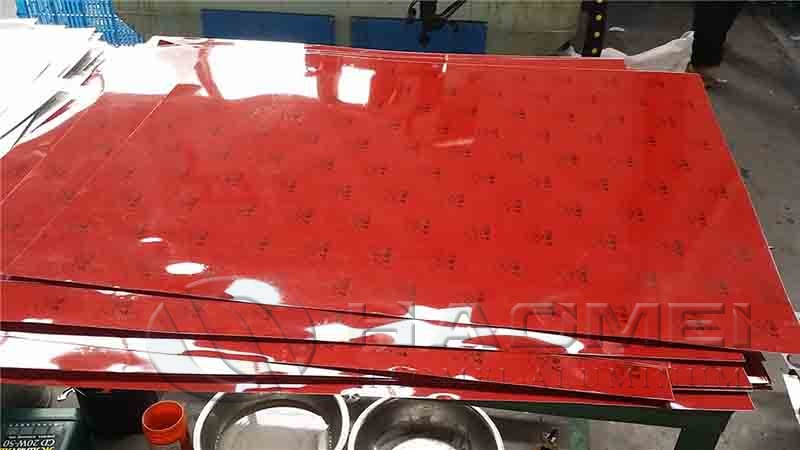
The most reliable holiday solution is a staged release plan. Approve a production trial first, then release the main run after the converter verifies formability. For branded seasonal closures, separate the plain-stock approval from artwork approval so that a graphics delay does not conceal a metal-performance issue.
Ask suppliers to state what they can document, rather than accepting broad claims such as food-grade or compliant. For coated aluminum intended for food-contact closure applications, the applicable compliance route depends on the full article and market. In the United States, resinous and polymeric coatings are addressed under FDA 21 CFR 175.300 when applicable. In the European Union, Framework Regulation (EC) No 1935/2004 establishes general requirements for food-contact materials. These references do not automatically approve a specific cap; coating formulation, intended use, migration assessment, and the finished closure system require appropriate verification.
Before issuing the purchase order, align the following items in writing with the mill, coating provider, converter, and brand owner.

A holiday closure program succeeds when the metal is specified for the actual forming process, qualified on production equipment, and released early enough to absorb transport or decoration variance. Treat each coil as part of the finished-package schedule, not as a standalone commodity input.
Tags: Aluminum Sheet for PP ROPP Caps | ROPP Closure Sheet |
Original Source: https://www.alclosuresheet.com/a/aluminum-sheet-for-pp-ropp-caps.html

+86-15978414719


+86-15978414719


sale@alumhm.com