


2026-07-15
Wine producers, packaging teams, and closure converters are increasingly comparing wine bottle cap material options as brands move between cork, tin capsules, and aluminum screw caps. The following five questions reflect recurring themes in recent English-language search and Q&A discussions. The wording has been normalized rather than presented as direct quotations, while the answers focus on practical aluminum sheet and coil specifications.
| Question area | What needs to be specified | Why it matters |
|---|---|---|
| Material selection | Alloy, temper, thickness | Determines deep drawing and thread forming performance |
| Surface treatment | Lubricant, conversion layer, lacquer | Protects the metal and supports production efficiency |
| Decoration | Base coat, color, printed finish | Controls shelf appearance and brand consistency |
| Closure fit | Cap diameter, liner, bottle finish | Affects seal integrity and opening torque |
| Sustainability | Recycled content, coating system | Supports material recovery and packaging claims |
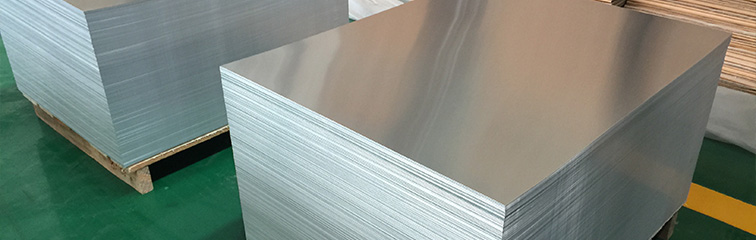
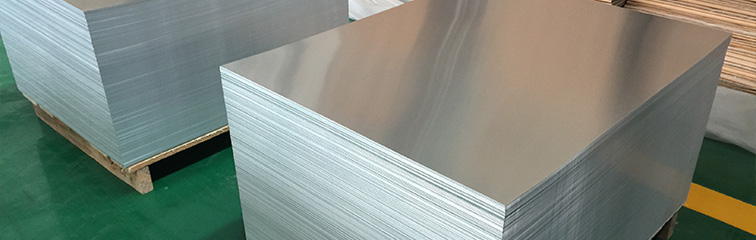
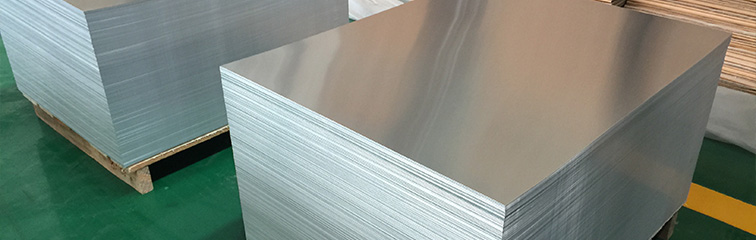
Most premium wine screw caps are made from aluminum closure sheet or coil, usually supplied in alloys such as 8011, 3105, or 5052. The exact alloy depends on the closure design, drawing depth, neck thread profile, and the converter's tooling. Aluminum is popular because it is lightweight, corrosion resistant, highly formable, and suitable for colored or printed decorative finishes.
A wine screw cap is not simply a thin metal cover. It is a formed closure system containing an aluminum shell and an internal liner. The liner provides the primary seal against the glass bottle finish, while the aluminum shell delivers the thread shape, tamper-evident band, mechanical protection, and visual presentation.
For a standard roll-on pilfer-proof, or ROPP, closure, material commonly starts at about 0.20 mm to 0.23 mm thick. Larger diameters, deeper drawn caps, or special embossed designs may require a different thickness range. Thickness should never be selected from appearance alone. It must match the cap maker's forming trial, tooling conditions, and required opening performance.
Aluminum also serves as a decorative capsule material for cork-finished wines. In that application, the material may be painted, printed, embossed, or perforated, but it does not form the primary seal in the same way as a screw cap.
The most suitable alloy is the one that balances forming ability with sufficient post-forming strength. For many wine closure applications, 8011 aluminum is selected for its stable workability and broad use in closure production. 3105 can offer useful strength characteristics, while 5052 may be considered where a higher-strength material profile is needed. Material choice should be confirmed against the cap dimensions and forming process rather than selected by alloy name alone.
Temper is equally important. A very soft sheet may form easily but can lose dimensional control during thread rolling. An overly hard sheet may crack at the skirt, knurling, bridge area, or tamper band. H14 and H16 tempers are common starting points, but closure plants frequently establish their own approved mechanical-property windows.
When requesting Plain Aluminum for wine closures, a useful specification normally includes alloy, temper, thickness tolerance, width tolerance, coil inner diameter, coil outer diameter, surface condition, and required lubrication. Procurement teams should also request mechanical data, including tensile strength and elongation, because these values influence drawing consistency more directly than a generic temper label.
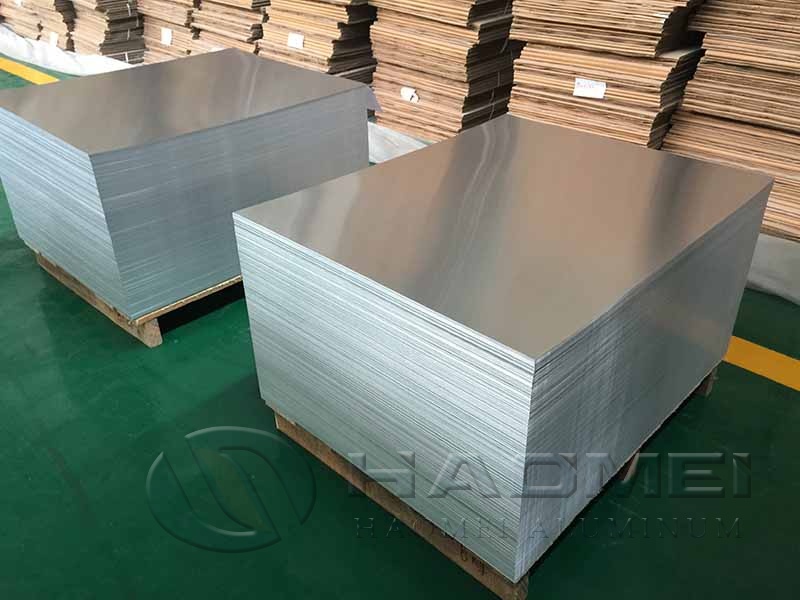
There is no universal thickness for every wine bottle cap. Common aluminum screw cap stock is often produced around 0.20 mm to 0.23 mm, but the correct figure depends on cap diameter, skirt length, thread geometry, bottle neck finish, liner type, and decoration process. A 30 x 60 mm wine closure, for example, can have different forming demands from a smaller spirits closure or a tall premium wine cap.
Thickness consistency across the coil is often more important than choosing the heaviest possible sheet. Uneven gauge can cause irregular drawing, inconsistent wall thickness, unstable thread formation, or visible differences after printing. Tight thickness control also helps reduce material waste during stamping and forming.
In addition to thickness, confirm the sheet's flatness and edge quality. Slitting burrs, telescope issues, waviness, or oil imbalance can interrupt high-speed cap lines. For converters that need uncoated feedstock, Plain Aluminum can be supplied for subsequent coating and printing, provided the surface cleanliness and lubricant level suit the intended process.
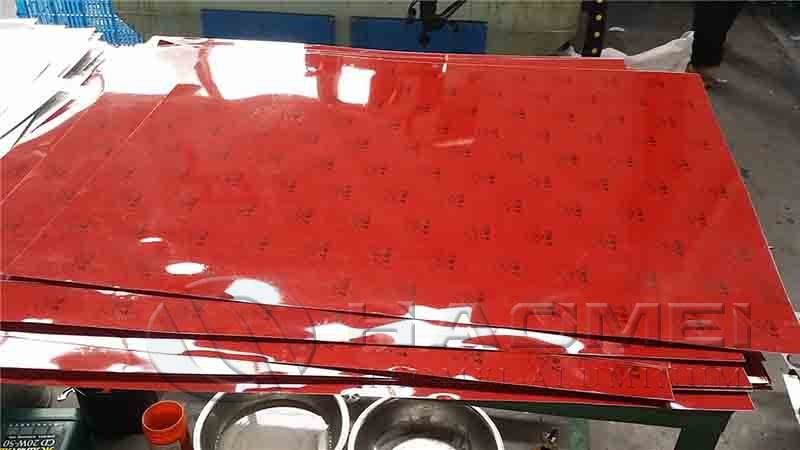
Yes, aluminum wine closures commonly require functional coatings. The outer side may receive a base coat, colored paint, varnish, metallic effect, or printed artwork. The inner side normally needs a food-contact-compatible lacquer that helps isolate the aluminum from the product environment and supports long-term package performance.
The coating system must match the wine type, storage conditions, filling process, and liner design. Acidic products, sulfur compounds, elevated warehouse temperatures, and humid transport conditions can all influence corrosion resistance. A coating that looks excellent after printing may still be unsuitable if it fails adhesion, scratch resistance, sterilization, or chemical-resistance testing.
Ask the supplier whether the coating is designed for direct or indirect food-contact applications and request supporting compliance documentation for the target market. It is also sensible to confirm whether the coating is BPA-NI, where that requirement applies. Printing inks and over-varnishes should be checked for rub resistance because cap-to-cap contact during packing can damage a glossy finish.
Aluminum closure sheet is not automatically better for every wine, but it offers distinct advantages where controlled sealing, convenient opening, tamper evidence, and consistent branding are priorities. Aluminum screw caps can provide repeatable closure torque and a reliable oxygen-management system when paired with the correct liner. They are also lighter than many alternative closure systems and can be recycled through established aluminum collection streams.
Cork remains valued for tradition, premium positioning, and its natural appearance. However, cork performance can vary by grade and treatment, while aluminum screw caps provide a highly standardized closure format. Tin capsules, meanwhile, are primarily decorative coverings and are often chosen for visual appeal rather than as a complete resealable closure system.
For aluminum, recyclability depends on local collection and sorting infrastructure, as well as the cap's coating, liner, and attached components. A well-designed closure should therefore be evaluated as a full package system: aluminum shell, decorative layer, liner, bottle compatibility, filling conditions, and intended market requirements.
Tags: wine bottle cap material | aluminum bottle cap material | aluminum closure sheet | wine screw cap stock |
Original Source: https://www.alclosuresheet.com/a/wine-bottle-cap-material.html

+86-15978414719


+86-15978414719


sale@alumhm.com