



2026-09-02
Holiday promotions can create a closure problem before they create a sales opportunity. Wine labels, limited-edition beverages, and gift-set cosmetics may be ready for seasonal launch, while the cap material is still awaiting color approval, coating documentation, or forming trials.
For October through December 2026, packaging teams may need to coordinate launches around Diwali on November 8, U.S. Thanksgiving on November 26, and Christmas on December 25. These campaigns often use metallic finishes, printed branding, and premium color palettes. The primary concern is not simply obtaining metal. It is securing a consistent coated surface that can be converted into closures without visual variation or unnecessary downtime.
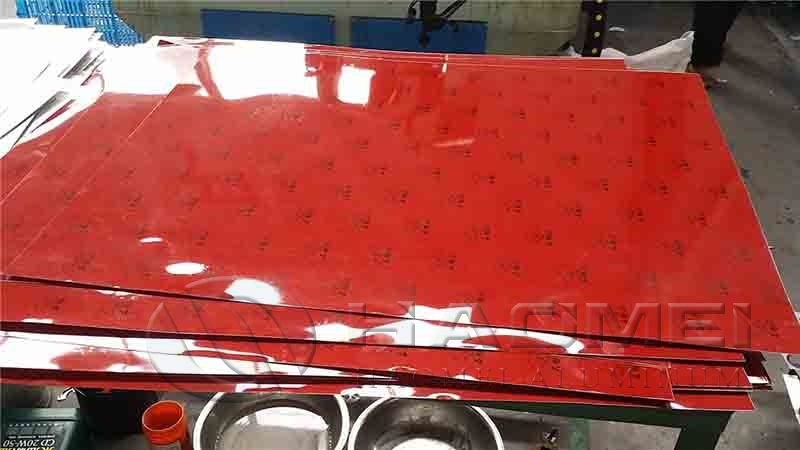
For closure converters, surface quality affects how a cap looks after drawing, threading, knurling, embossing, and printing. A coil that appears acceptable before processing can still cause rejected caps if color, gloss, coating adhesion, or lubricant performance varies across the run.
Use aluminum closure material specified for the intended cap design, rather than treating all sheet or coil as interchangeable. Alloy, temper, gauge, width, coating system, and surface condition should be documented in the purchase specification.
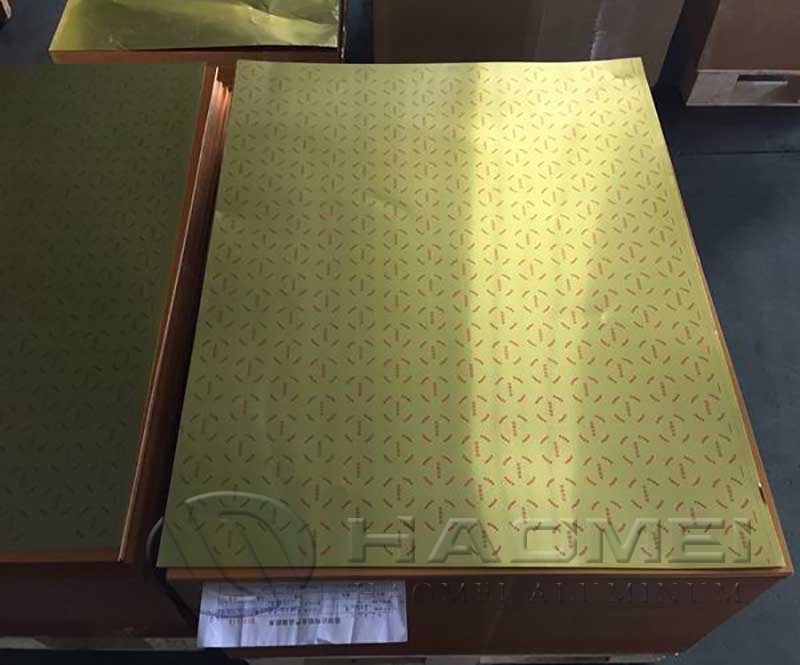
A practical holiday solution is to qualify the visual surface first. For a champagne-gold wine cap, a red beverage closure, or a white cosmetic screw cap, approve a retained reference sample before the full production release. The reference should identify the approved color, gloss range, coating side, and printing orientation where applicable.
| Holiday closure issue | Operational impact | Material control to request |
|---|---|---|
| Shade variation between coils | Gift sets and shelf displays look inconsistent | Color standard and agreed measurement method |
| Coating cracks during forming | Exposed metal or damaged decoration | Forming trial using the actual cap tooling |
| Poor ink or varnish adhesion | Smudging, peeling, or logo defects | Coating compatibility confirmation and test panels |
| Surface marks or oil variation | Higher sorting and scrap rates | Surface-quality agreement and inspection criteria |
| Incorrect coil direction | Artwork or brushing runs incorrectly | Clearly stated rolling and print orientation |
When a seasonal design needs an uncoated base for downstream finishing, specify whether the supply is mill finish, lightly lubricated, or prepared for the converter's coating line. A suitable Plain Aluminum specification can prevent an avoidable mismatch between incoming surface condition and the planned decoration process.

Wine, beverage, and cosmetic closures can share aluminum as a substrate, but their performance checks differ. Do not rely on a generic statement that a material is suitable for all closure applications. Review the end use with the closure manufacturer, liner supplier, coating supplier, and filler.
| Application | Typical seasonal objective | Priority check before release |
|---|---|---|
| Wine closures | Premium gifting, vintage cues, foil-style metallic appearance | Formability, decorative finish, bottle-neck fit |
| Beverage closures | Event editions, high-volume brand recognition | Print quality, dimensional consistency, line speed |
| Cosmetic closures | Gift sets, premium unboxing, color matching | Scratch resistance, appearance after assembly, product compatibility |
For food and beverage applications, the finished packaging system must be assessed for food-contact compliance in its destination market. In the United States, coatings used in food-contact packaging may need to meet applicable U.S. FDA requirements, including 21 CFR Part 175 where relevant. In the EU, Framework Regulation (EC) No 1935/2004 sets general requirements for food-contact materials, while Regulation (EC) No 2023/2006 addresses good manufacturing practice.
These regulations do not mean that every aluminum coil automatically complies in every configuration. Request declarations and supporting documentation for the specific coating, ink, varnish, liner, and intended food-contact scenario. For cosmetics, verify compatibility between the complete closure system and the formula, especially where fragrance oils, alcohol, or active ingredients can contact packaging components.
The EU Packaging and Packaging Waste Regulation, Regulation (EU) 2025/40, entered into force on February 11, 2025, and generally applies from August 12, 2026. Teams supplying EU markets should review how labeling, recyclability, and packaging design obligations affect the finished pack, not just the metal substrate.
Do not set a seasonal delivery date before the converter has completed forming and decoration trials. The real critical path is approval, not transport alone. Use the following release sequence for holiday programs.
Freeze the visual brief. State cap color, finish, artwork location, logo orientation, gloss target, and acceptable surface appearance.
Issue a technical specification. Include alloy, temper, thickness, width, coil ID and OD limits, coating type, coating side, surface class, edge condition, and packaging method.
Request traceability records. Confirm coil identification, material certificate format, inspection records, and retained-sample procedure. This is especially important when several production coils will be used for one branded campaign.
Run a representative conversion trial. Test the actual material on the intended press, with the intended tooling, decoration, liner, and closure assembly process. Check cracks, scuffs, print defects, and cap dimensions.
Approve a production standard. Keep signed physical samples or controlled digital color data, supported by defined lighting conditions. A photo alone is not an adequate color-control standard.
Set contingency rules. Define what happens if a coil falls outside agreed appearance criteria: hold, sample review, rework, or replacement. This avoids rushed decisions when holiday filling slots are approaching.
Price comparisons should be made on the same technical basis. A lower quoted rate may omit coating, slit-width control, protective interleaving, special packaging, certificates, or trial support. Compare quotations by delivered specification and usable yield, not nominal metal weight alone.
Before releasing a holiday closure program, confirm the approved sample, converting trial result, compliance documents, coil traceability plan, and delivery window in one controlled purchase record. This keeps a festive launch focused on shelf-ready packaging rather than last-minute cap corrections.
Tags: Aluminum cap stock | holiday closure packaging |
Original Source: https://www.alclosuresheet.com/a/aluminum-cap-stock-for-wine-beverage-and-cosmetic-closures.html

+86-15978414719


+86-15978414719


sale@alumhm.com