

2026-09-01
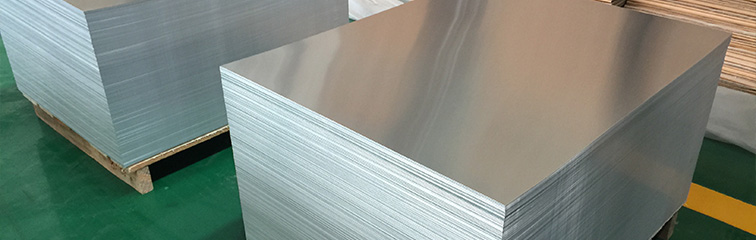
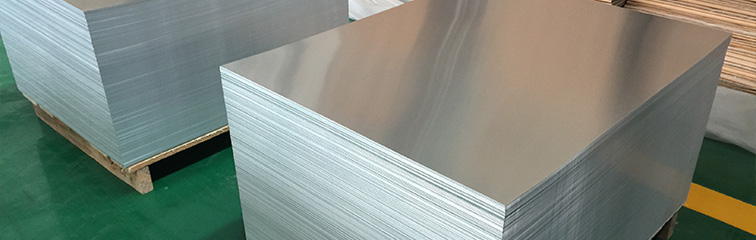
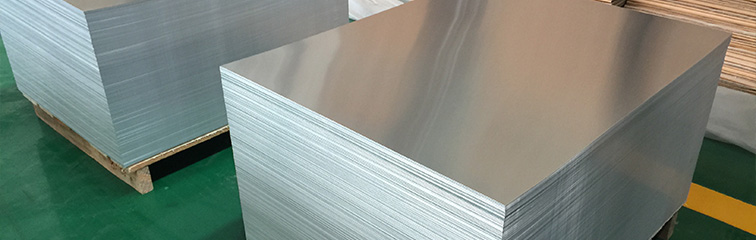
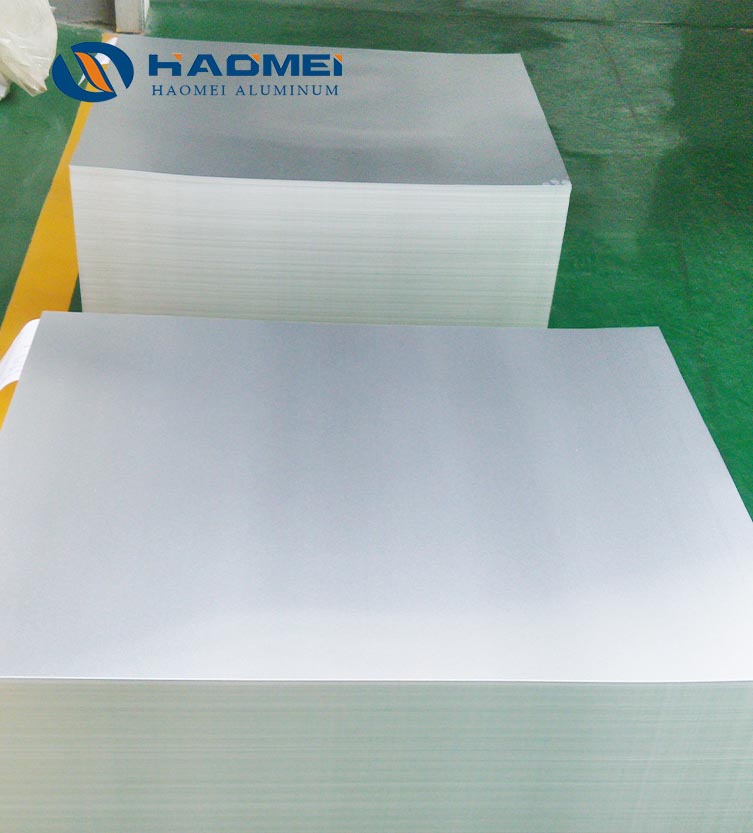
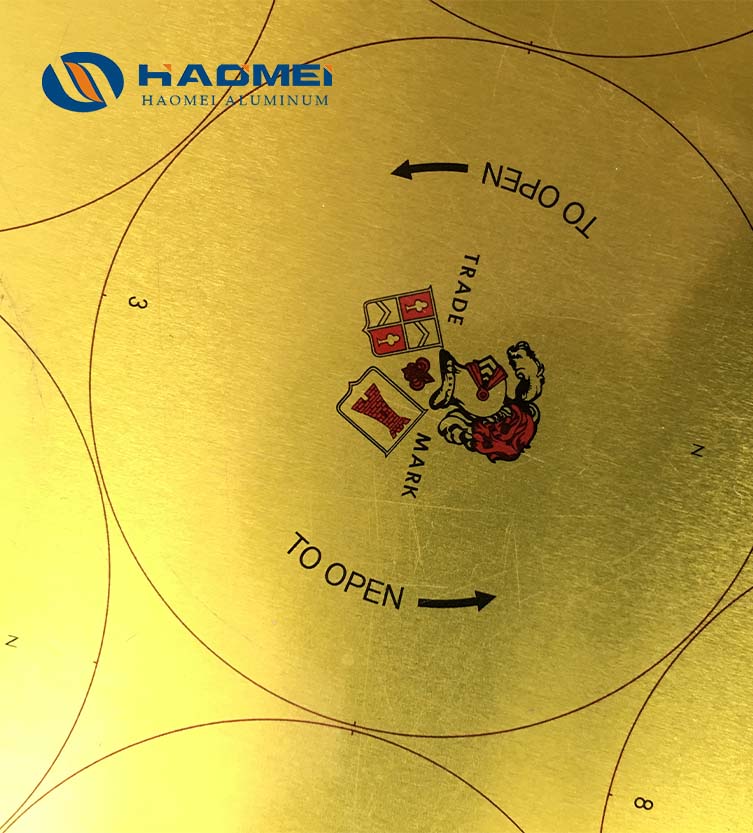
In the sectors of food, beverage, and pharmaceutical packaging, 8011 aluminum bottle cap material serves as the core raw material for manufacturing aluminum bottle caps. Thanks to its excellent corrosion resistance, lightweight nature, and stable processing characteristics, 8011 aluminum has come to dominate the market for bottle cap materials.
Aluminium plain sheet 8011 is a non-heat-treatable aluminum alloy; the "H" series tempers used in the industry are strain-hardened states achieved through cold working rather than high-temperature heat treatment. The hardness and toughness of the material are determined entirely by the cold rolling process. Specifically, the "H1" designation indicates strain hardening without annealing; a higher suffix number signifies a greater degree of cold-rolling deformation, resulting in higher hardness but reduced toughness and ductility.
In simple terms: Hardness follows the order H18 > H16 > H14, while ductility and formability follow the order H14 > H16 > H18. These differences form the fundamental basis for the performance variations among the three material types.
Mechanical parameters are the key to distinguishing between these three bottle cap materials, as they directly determine the results of stamping, bending, and "twist-off" forming operations. Based on national industry standards and actual mass-production data, the differences in key parameters are as follows:
H14 is the standard, general-purpose temper for 8011 bottle cap stock. Classified as a "half-hard" material, it undergoes a moderate degree of cold-rolling deformation. It maintains a stable tensile strength of 125–165 MPa and an elongation of 2%–3%, offering the best formability among the three materials.
The primary advantage of this aluminum is its balanced strength and toughness; it exhibits minimal springback and high tensile strength, making it suitable for complex deep-drawing, bending, and embossing processes. It is resistant to cracking or deformation during stamping and yields a very high rate of finished product compliance. Additionally, it features excellent surface flatness and a low pinhole rate, fully meeting safety standards for food and pharmaceutical packaging.
H16 is classified as a "three-quarter hard" material, with a cold-rolling deformation rate of approximately 55%; its performance characteristics fall between those of H14 and H18. Its tensile strength is increased to 145–190 MPa, and its hardness is significantly higher than that of H14, while elongation drops slightly to 1%–3%.
Compared to H14, H16 aluminum offers greater rigidity and superior resistance to deformation; the resulting bottle caps hold their shape better and are less prone to edge collapse or denting. At the same time, it retains sufficient formability, avoiding processing difficulties caused by excessive hardness. Additionally, it exhibits excellent torque-off performance—making it a preferred material for tamper-evident caps—and offers stable corrosion resistance suitable for contact with specialized contents such as pharmaceuticals and alcohol.
H18 represents the full-hard temper for 8011 cap stock; it undergoes the highest degree of cold-rolling deformation, resulting in the greatest hardness of the three grades, with tensile strength reaching 160–200 MPa. However, this comes at the cost of significantly reduced ductility—with elongation below 1%—making the material the least tough and most brittle.
Aluminum in this temper exhibits virtually no springback and offers maximum resistance to crushing and deformation, resulting in caps with exceptional structural stability and resistance to pressure and impact. However, its drawbacks are significant: it cannot undergo complex forming processes like deep drawing or bending and is limited to simple flat stamping. It offers very low processing tolerance, meaning even slight deviations can lead to cracking or edge fracturing.
Thanks to its excellent formability and stability, 8011 H14 aluminum closure material is the most widely used aluminum material for bottle caps on the market. It is primarily used for products requiring deep drawing, threading/bending, or complex shaping, such as standard beverage caps, screw caps for red wine, conventional pharmaceutical seals, and caps for personal care products.
For caps with complex designs requiring multiple stamping stages, H14 minimizes scrap rates while balancing forming quality with production efficiency, making it the mainstream choice for small and medium-sized packaging enterprises.
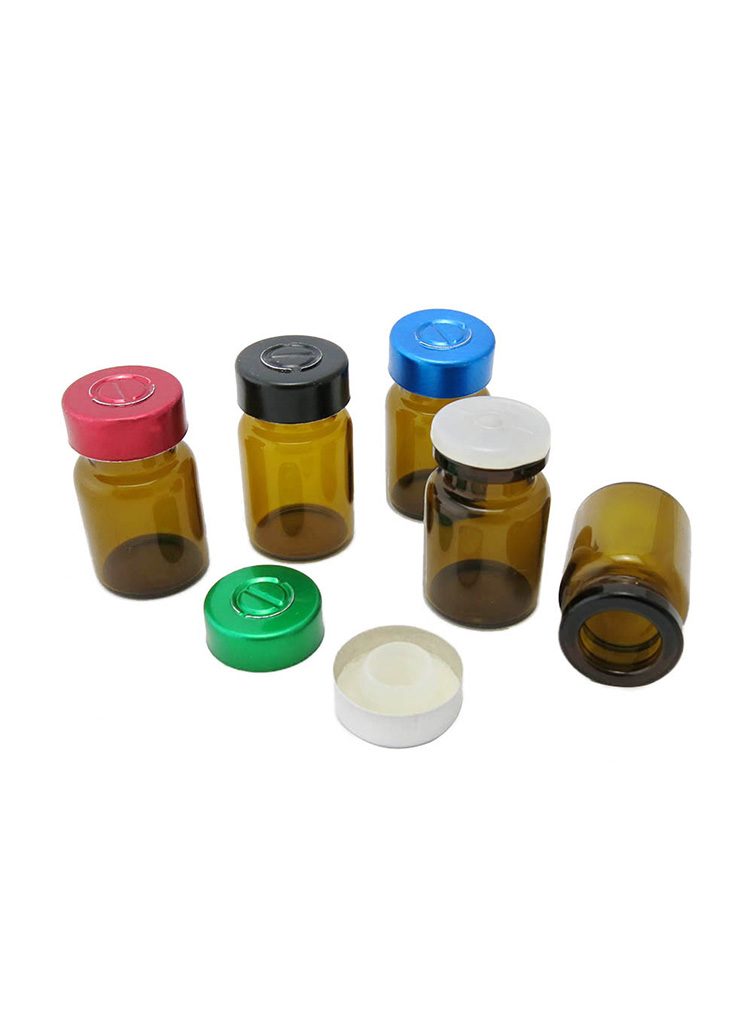
H16 is currently the preferred material for pharmaceutical tamper-evident caps, high-pressure beverage caps, and vacuum-seal caps. Its moderate hardness and excellent break-away characteristics ensure that the cap remains secure and tightly sealed after tightening, while also allowing for a clean, precise break upon opening—making it perfectly suited for tamper-evident designs.
Additionally, the material offers strong resistance to chemical corrosion; it does not react with pharmaceutical liquids or carbonated beverages, ensuring a higher level of safety. Widely used in premium food and pharmaceutical packaging, it represents the most cost-effective functional material for bottle caps.
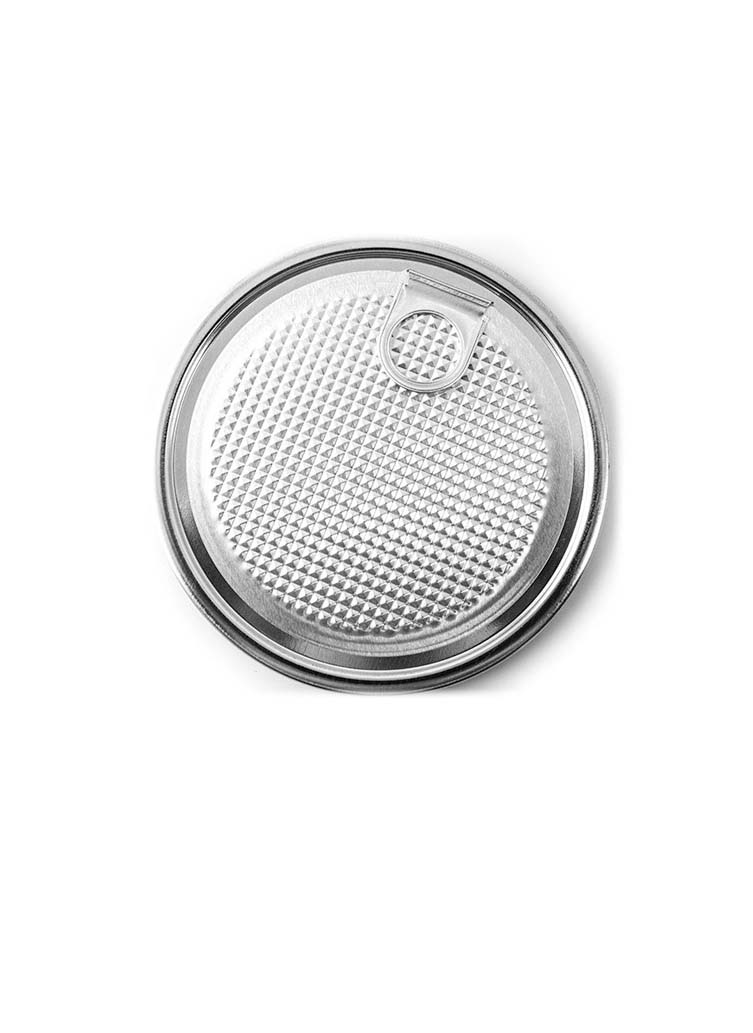
Due to limitations in formability, H18 is unsuitable for manufacturing caps with threads, complex shapes, or deep-drawn structures. Instead, it is best suited for products requiring high pressure resistance but simple geometry, such as flat sealing caps, high-pressure container caps, and disposable flat-top aluminum caps.
These types of caps do not require complex processing; the primary requirements are crush resistance, dimensional stability, and high flatness. H18’s high hardness makes it an ideal fit for applications such as industrial sealing and simple food packaging closures.
Tags: bottle cap material |
Original Source: https://www.alclosuresheet.com/a/8011-h14-h16-and-h18-aluminum-closure-stock-what-is-the-difference.html
Product
Painted aluminum
Coated Aluminum Strip
Printed Aluminum
Plain Aluminum
Alloy
8011
Application
Medical bottle cap
Easy-tear lid
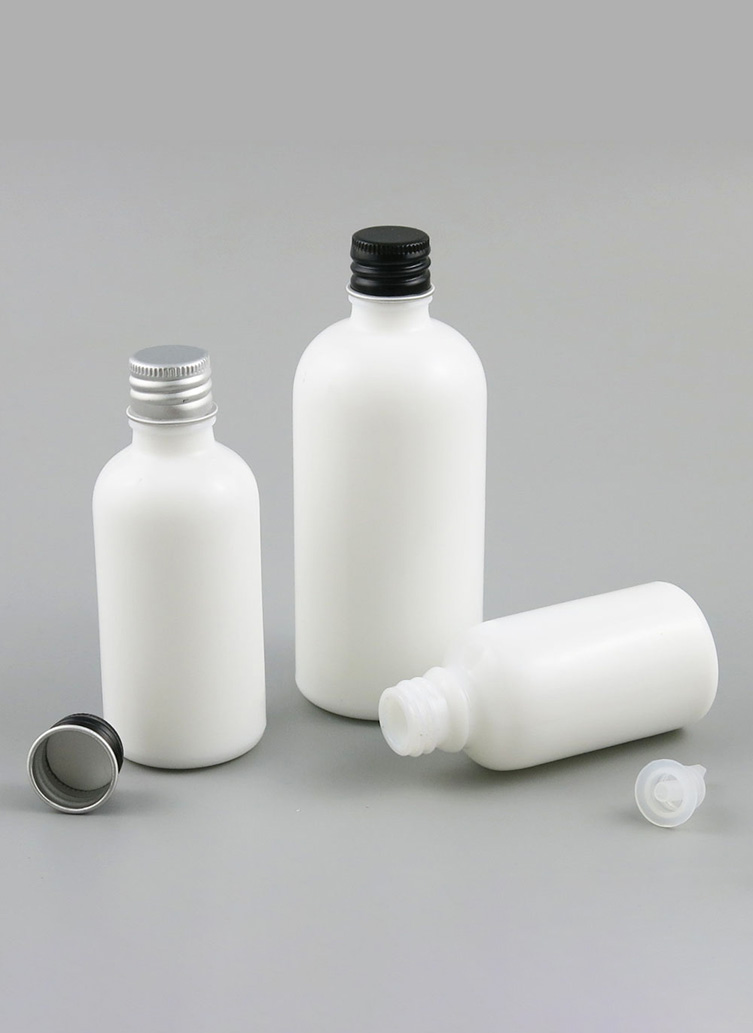
HDPE Bottle Sealing
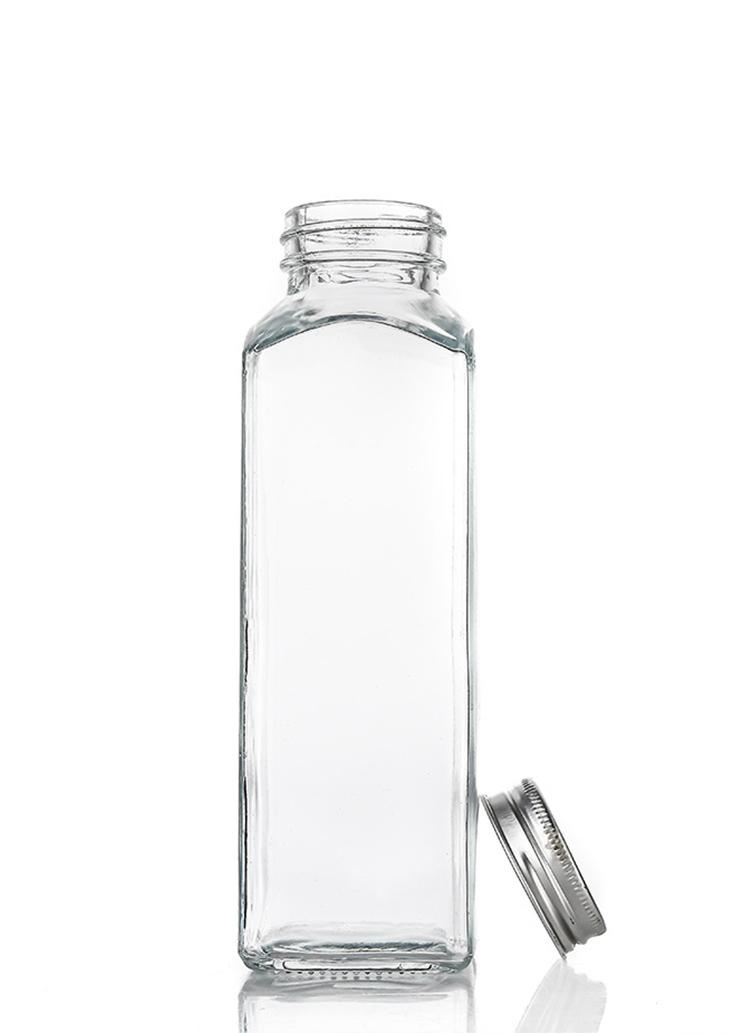
Beverage cap

+86-15978414719


+86-15978414719


sale@alumhm.com