

2026-06-25
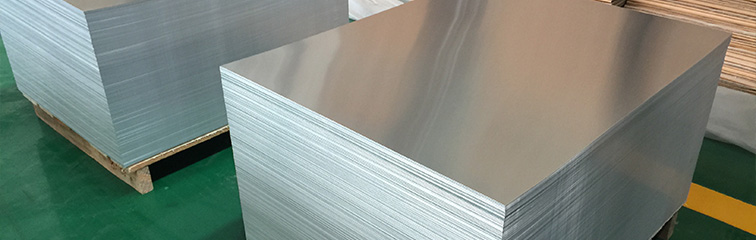
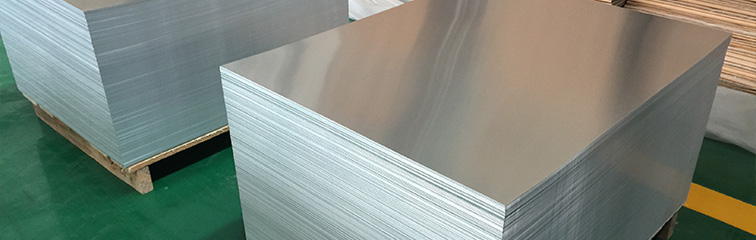
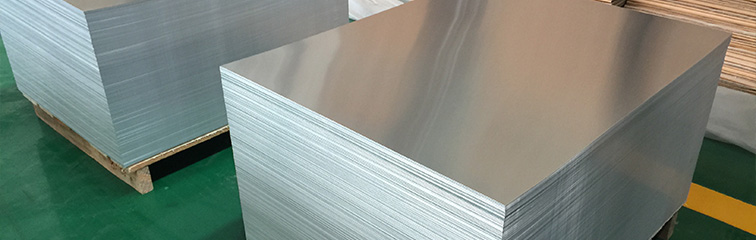
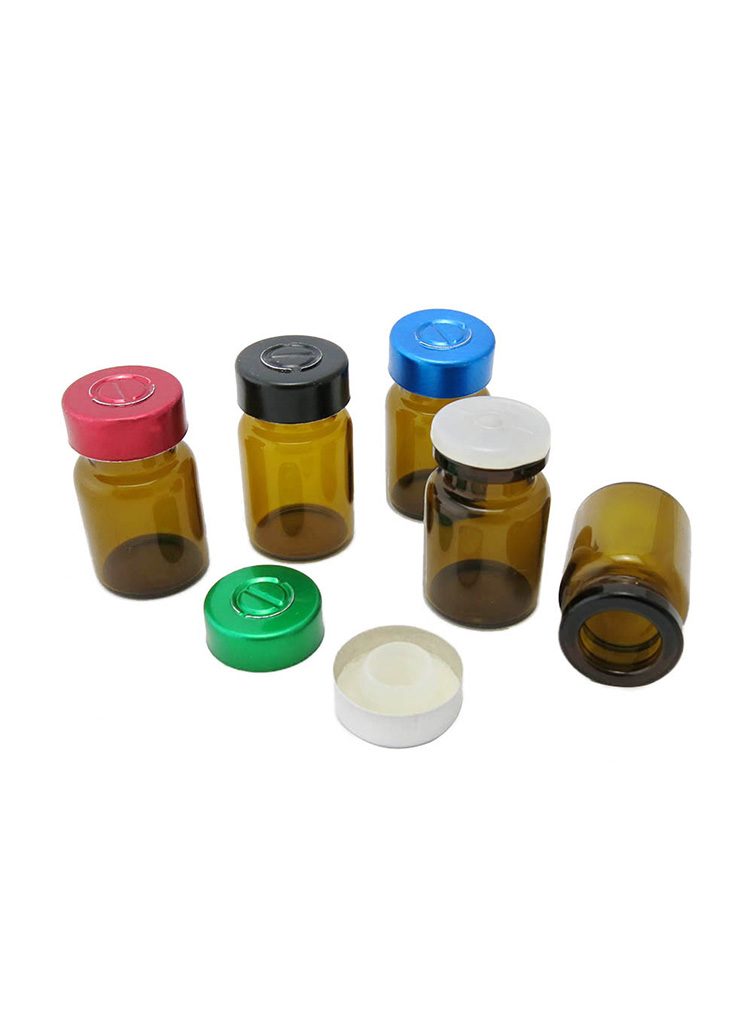
In the entire packaging industry, including food, beverage, pharmaceutical, and daily chemical products, aluminum bottle caps have become the mainstream standard, gradually replacing traditional plastic and iron caps. Their core advantages lie in the aluminium closure stock, which combines safety and compliance, excellent formability, wide strength adaptability, corrosion resistance, environmental recyclability, and suitability for industrial mass production, perfectly aligning with the core development needs of modern packaging.
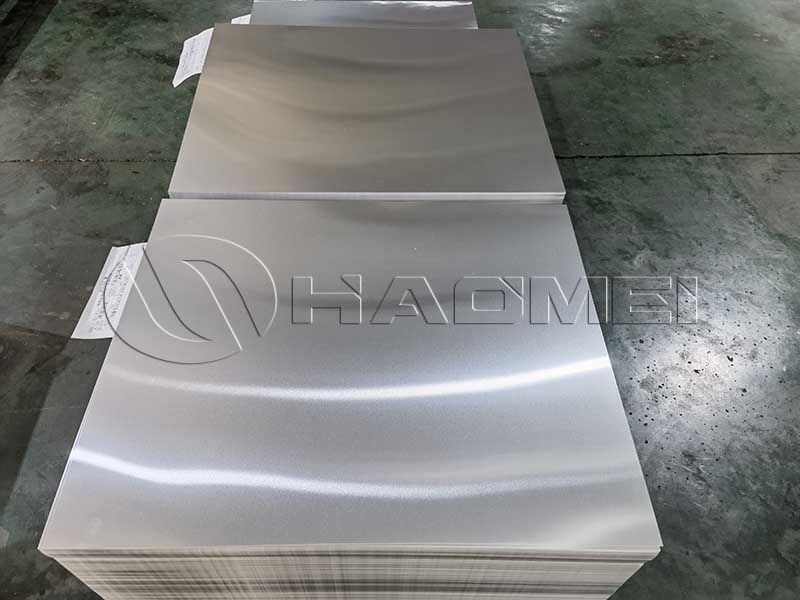
Compared to traditional bottle cap materials with limited performance and application scenarios, aluminum bottle caps, relying on a diversified aluminum alloy formulation system, can be specifically adapted to complex application scenarios such as light-load sealing, high-pressure bearing, anti-theft and anti-counterfeiting, and long-term storage. Their versatility and practicality far surpass other materials, becoming the core reason for their widespread adoption in the industry.
From a material characteristics perspective, aluminum is lightweight, non-toxic, odorless, and has stable sealing performance. Furthermore, mature surface treatment processes allow for smooth processing of appearance such as printing, spraying, and anodizing, while simultaneously ensuring both practicality and aesthetics in packaging.
Currently, the four mainstream aluminum alloys in the industry—8011, 3105, 5052, and 5182—have been optimized through precise proportions of elements such as iron, manganese, and magnesium to create a graded performance system. This comprehensively covers various packaging needs across high-end and low-end applications, light and heavy loads, and both conventional and harsh environments, adapting to the differentiated production and usage standards of different industries.
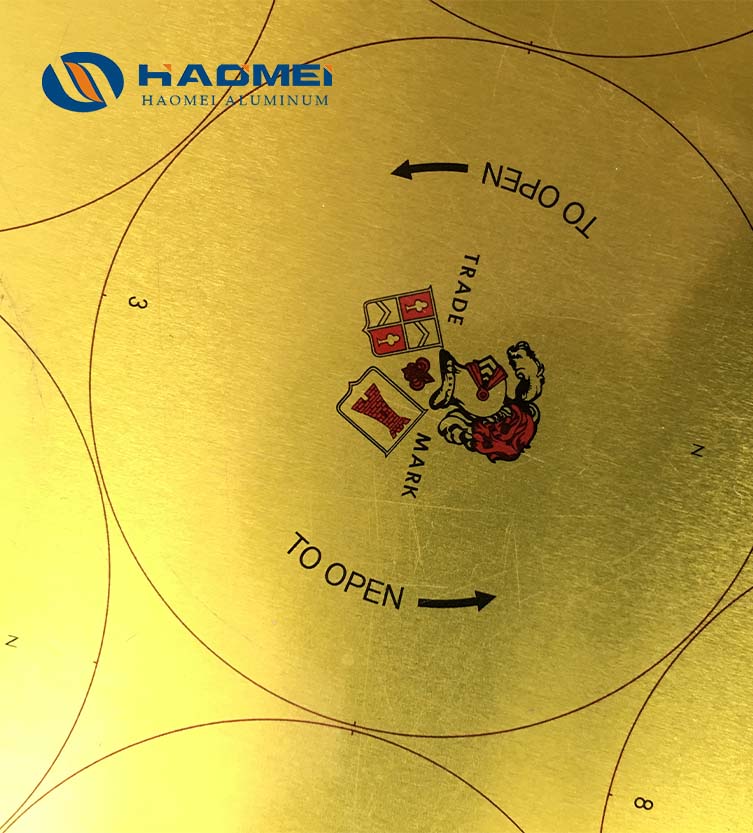
8011 aluminum alloy is an aluminum-iron alloy and the most widely used basic bottle cap base material. Its balanced comprehensive performance has secured its position as the mainstream in the residential aluminum cap market. While this material does not possess extremely high strength, it boasts excellent forming processes and extremely high food safety, making it suitable for most conventional bottle cap applications. Welcome to contact us to get aluminium 8011 datasheet.
Its core advantages include excellent deep-drawing formability, resistance to cracking, wrinkling, and burr formation during processing, low ear-making rate, and suitability for various bottle cap stamping, bending, and thread rolling processes. Furthermore, the material meets food-grade A washing standards, is resistant to high temperatures and boiling, and exhibits no harmful substance release during high-temperature sterilization and filling, meeting the safety contact requirements for food and pharmaceutical products.
By adjusting the heat treatment state, different needs can be flexibly adapted. The H14 semi-hardened state offers stronger plasticity, suitable for complex bottle cap shapes; the H18 fully hardened state provides increased strength, meeting the pressure resistance requirements of standard tamper-evident and sealing caps, and is widely used in mineral water caps, daily chemical screw caps, pharmaceutical oral liquid caps, sauce sealing caps, etc., offering excellent cost-effectiveness.
3105 aluminum-manganese rust-resistant aluminum alloy is an advanced material, with performance between 8011 and high-strength 5-series alloys. It features rust and corrosion resistance, strong pressure resistance, and structural stability, making it suitable for high-pressure, high-sealing threaded tamper-evident bottle cap applications.
Compared to 8011, it has higher tensile and yield strengths, significantly improved deformation resistance, and can effectively withstand the pressure of gas inside the bottle, preventing bottle cap bulging, deformation, and leakage during storage and transportation of beverages and alcohol. Manganese gives the material excellent rust and corrosion resistance, resisting the corrosion of weak acids and alkalis in beverages, and is not prone to oxidation, blackening, or seal failure during long-term storage.
This material has excellent thread rolling performance, producing neat and tight threads. The anti-theft ring exhibits moderate toughness and a smooth opening feel, ensuring both sealing stability and one-time anti-counterfeiting opening. It is primarily used for high-end beverage aluminum caps, carbonated beverage caps, and functional beverage caps, making it a preferred material for medium- and high-pressure packaging bottle caps.
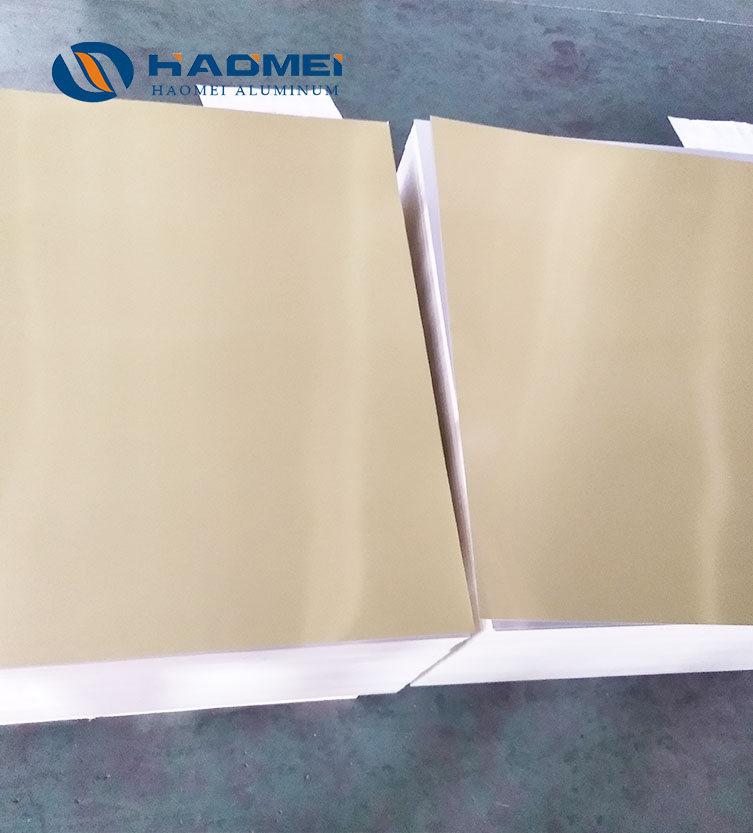
5052 aluminum-magnesium alloy is a high-strength and corrosion-resistant benchmark among bottle cap materials. Magnesium significantly enhances the material's strength, toughness, and fatigue resistance, resulting in overall performance superior to 3-series and 8-series alloys. It also possesses excellent resistance to acids, alkalis, and seawater corrosion, making it suitable for harsh storage and transportation environments.
Its tensile strength reaches 170 to 230 MPa, with excellent elongation, balancing hardness and toughness. After stamping, it is not easily deformed or broken, resulting in a robust and pressure-resistant bottle cap structure. It effectively withstands the pressure and vibration of long-distance transportation, alternating high and low temperatures, and humid storage conditions, preventing problems such as loose seals and cap collapse.
This material is widely used in high-end health products, functional foods, and large-capacity sauces, providing stable packaging protection for products requiring long-term storage and cross-border transportation, mitigating the risks of leakage and spoilage.
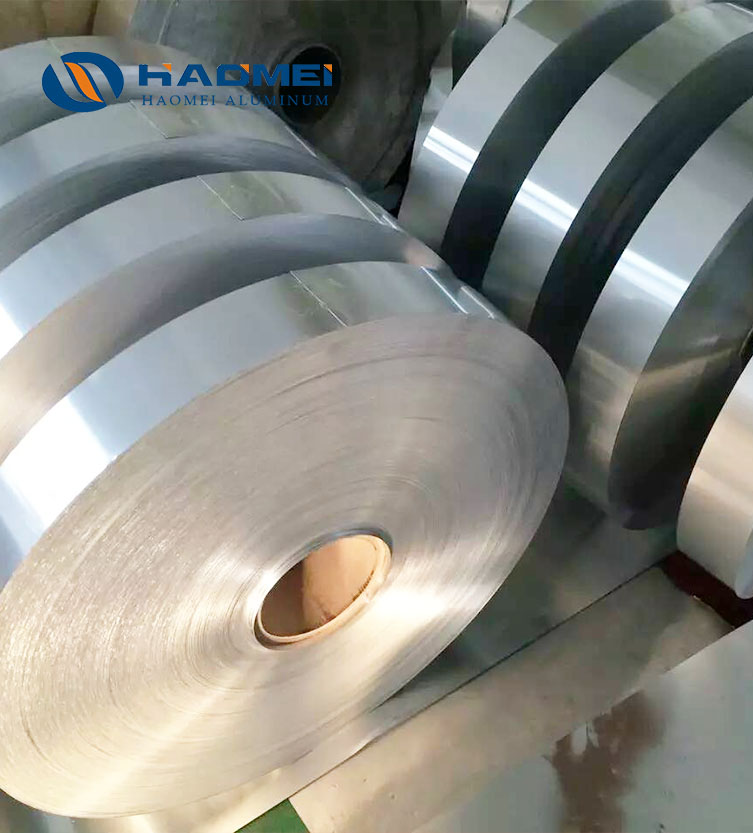
5182 high-magnesium aluminum alloy is the superior high-end base material among the four materials, boasting the best strength, toughness, and deformation resistance. It is primarily used in high-end fast-moving consumer goods packaging such as can lids, precision anti-counterfeiting lids, and thin-walled pressure-bearing lids.
Its tensile strength reaches 270 to 310 MPa, and its yield strength is no less than 130 MPa. Even with a thin-walled, lightweight design, it still possesses superior pressure resistance, perfectly suited to the high-pressure packaging characteristics of thin-walled cans. Furthermore, the material has an elongation rate exceeding 20%, high scoring precision, and produces no cracks or burrs after die-cutting. The lid and pull ring are firmly riveted, ensuring stable opening force, balancing sealing performance and user experience.
In addition, 5182 aluminum alloy has a significant lightweight effect, which can help companies achieve thin-walled bottle cap production, reduce packaging costs, and is a food-grade safe material. No harmful substances are released in weak acid environments, making it a core material for high-end, high-strength pressure-bearing packaging bottle caps.
Tags: bottle cap material |
Original Source: https://www.alclosuresheet.com/a/aluminium-closure-stock-for-bottle-caps-why-it-is-widely-used.html
Product
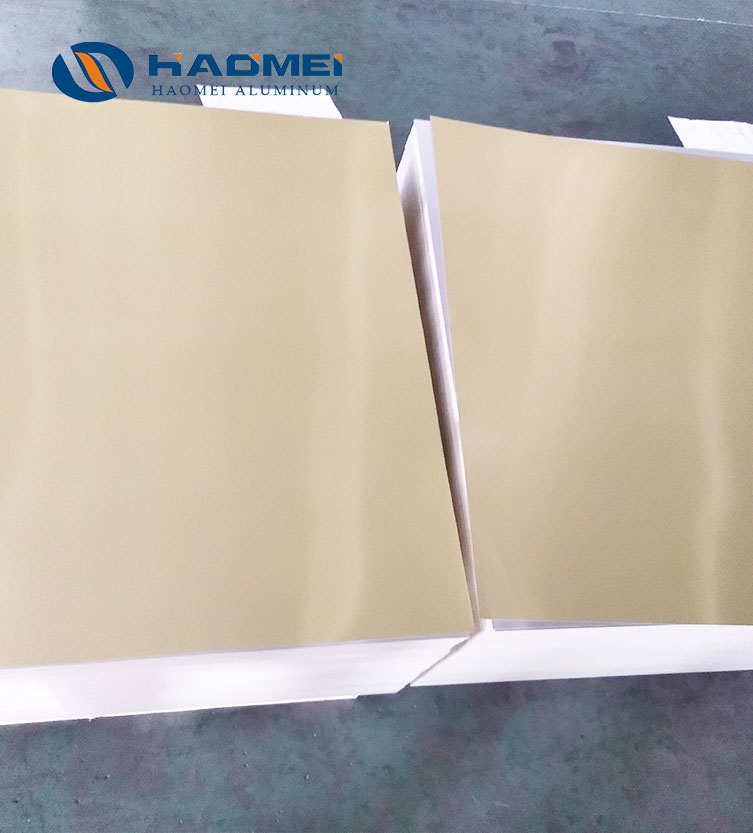
Painted aluminum
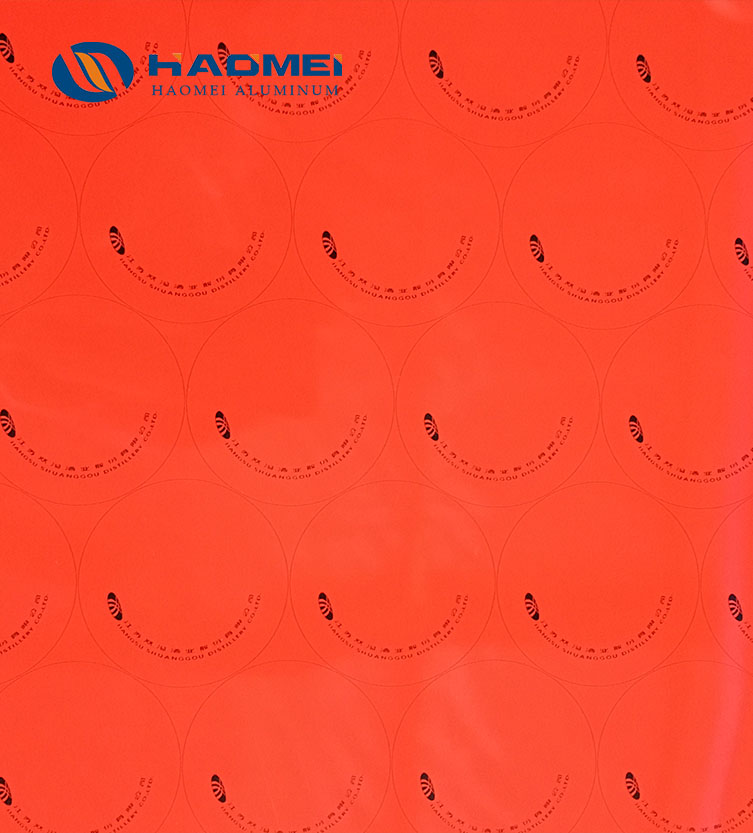
Printed Aluminum
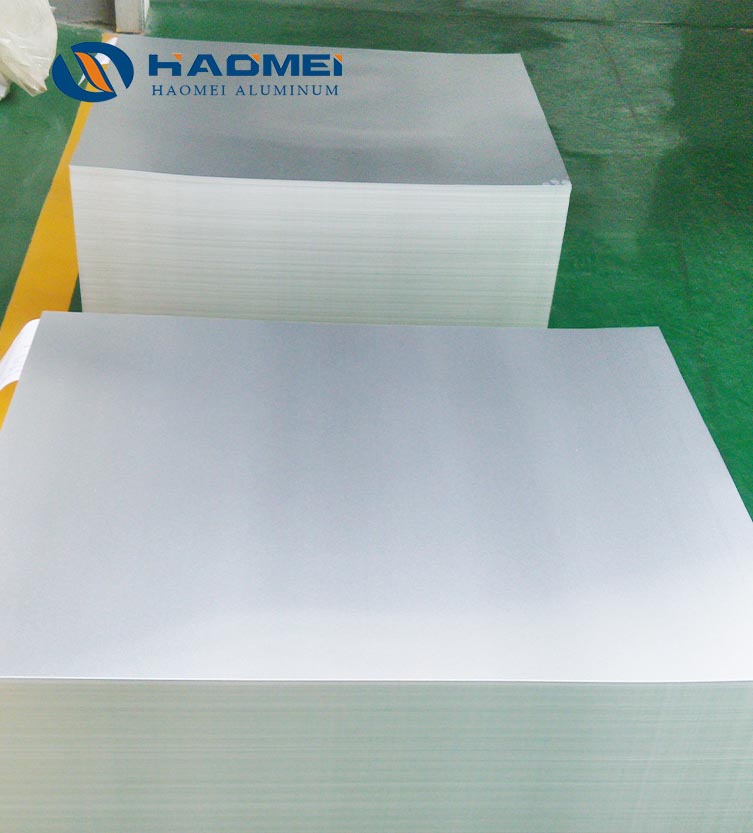
Plain Aluminum
Alloy
8011
5182
5052
Application
Medical bottle cap
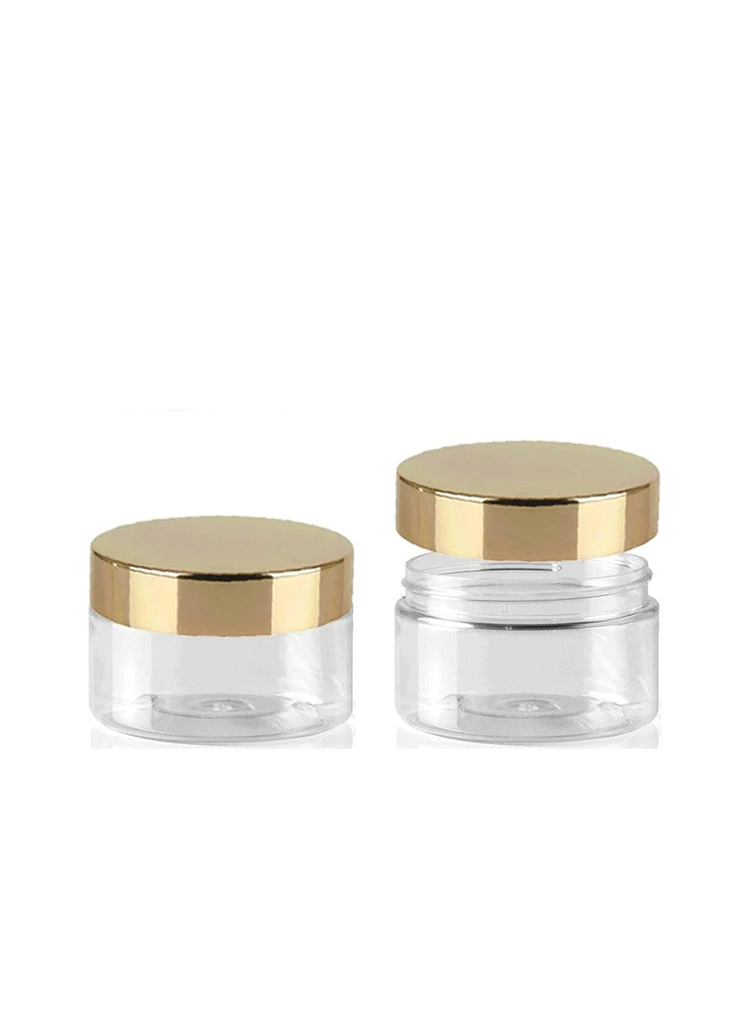
Jar bottle cap
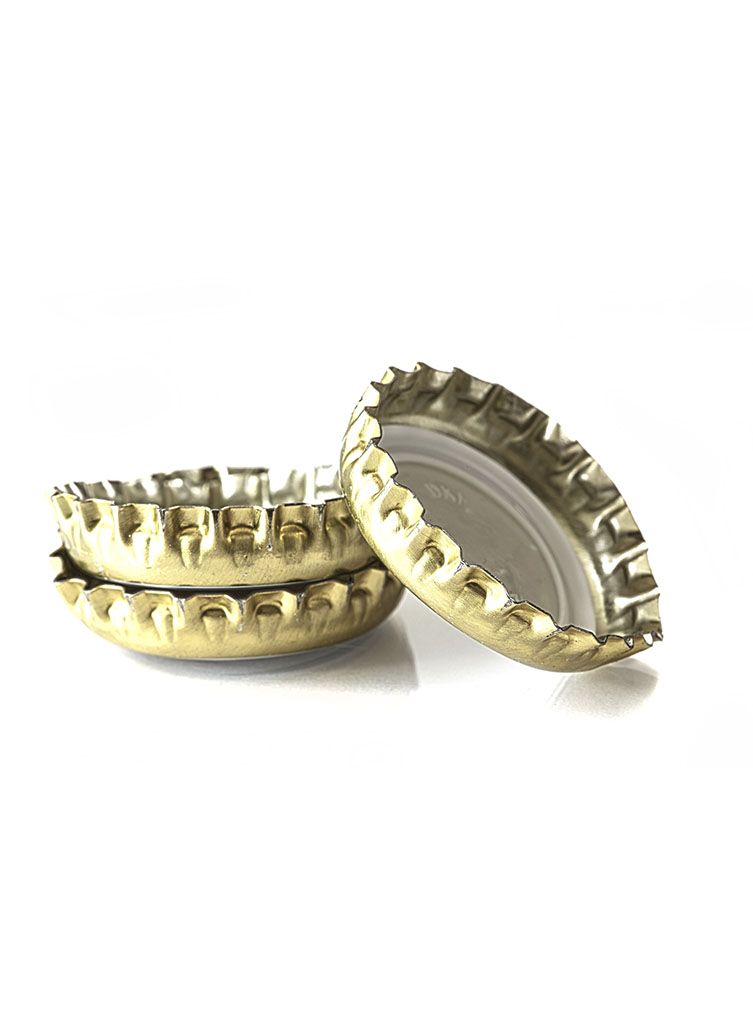
Beer bottle cap
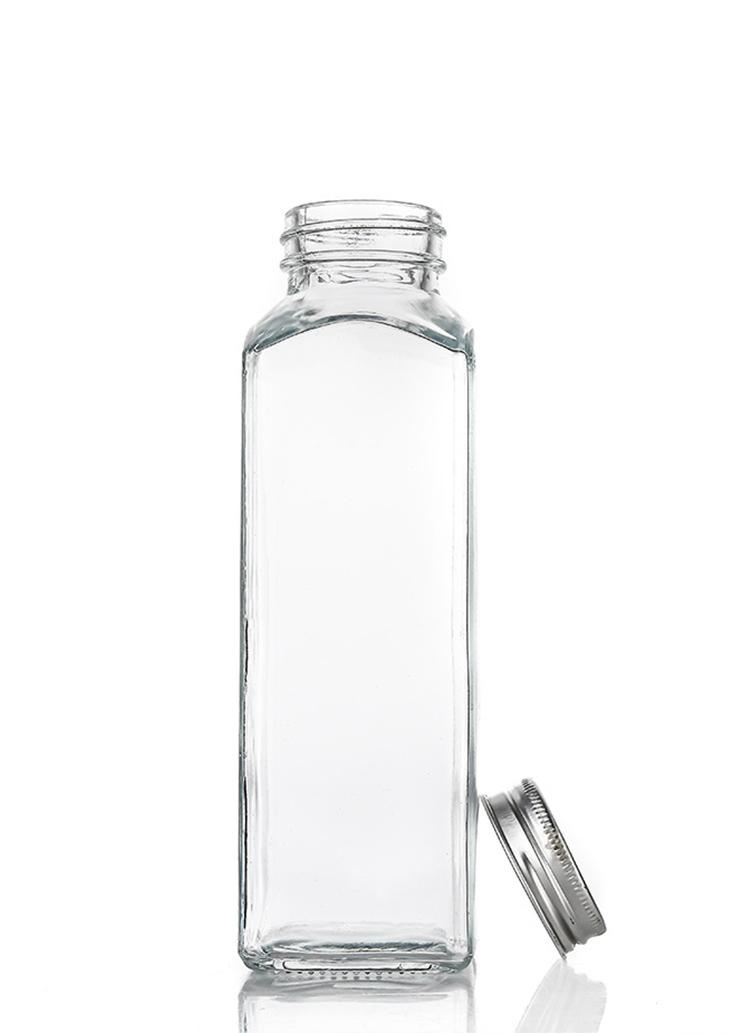
Beverage cap

+86-15978414719


+86-15978414719


sale@alumhm.com