


2025-12-02
First and foremost, it's important to clarify that not all aluminum foil is suitable for the food and pharmaceutical industries. 1060 aluminum foil stands out due to its high purity and stable chemical properties: as a representative of 1-series pure aluminum foil, 1060 aluminium foil boasts an aluminum content exceeding 99.6%, with extremely low levels of impurities (such as iron, copper, and silicon).
This high purity means that when it comes into contact with food and pharmaceuticals, no harmful substances will migrate, mitigating the risk of "packaging contamination of contents" at the source. This lays a solid foundation for meeting subsequent hygiene and food-grade standards.
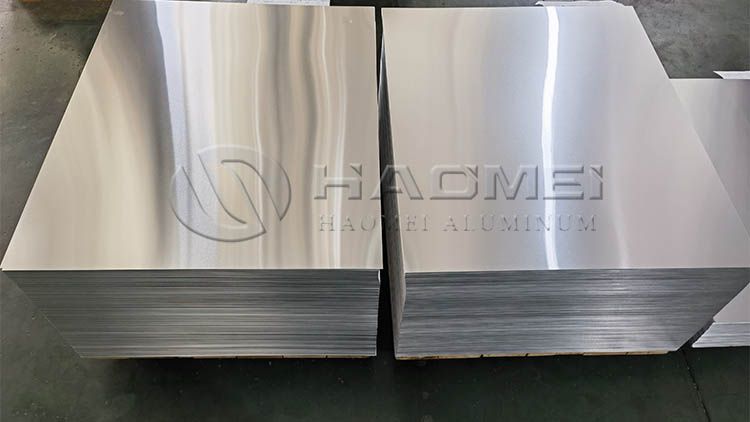
To enter the food and pharmaceutical bottle cap supply chain, 1060 aluminum foil for bottle cap must pass rigorous multi-dimensional testing. The following three conditions are considered "hard thresholds":
1060 aluminum foil must pass "migration testing"—including the migration of heavy metals such as lead, cadmium, and arsenic, as well as limits on the migration of aluminum (with specific numerical requirements for acidic, oily, and water-based food simulation liquids). Furthermore, some export scenarios must also comply with international standards such as EU EC No. 1935/2004 and the US FDA to ensure safe application in food packaging in different countries and regions.
Besides the material itself, the production process of 1060 aluminum foil must also meet "hygienic" requirements. Reputable manufacturers use cleanrooms for production to avoid dust and microbial contamination; the lubricating oil used in the rolling process must be "food-grade special oil," and residues must be thoroughly removed through subsequent cleaning and annealing processes.
Before leaving the factory, finished products undergo microbial testing (such as total bacterial count, E. coli, etc.) to ensure that each batch of aluminum foil meets the hygiene standards of "no odor, no impurities, and no excessive microorganisms."
Food and pharmaceutical bottle caps have specific requirements for the physical properties of aluminum foil:
Barrier Properties: It must possess excellent moisture-proof, oxygen-proof, and light-penetrating capabilities. For example, when used in milk powder bottle caps, it can delay the oxidation and clumping of milk powder; when used in pharmaceutical bottle caps, it can protect the medicine from moisture and deterioration.
Tearability and Sealing: The aluminum foil must fit tightly to the bottle cap substrate (such as plastic or glass) to ensure a leak-proof seal, while allowing consumers to easily tear it when opening, avoiding residue or scratches.
Temperature Resistance: Some foods (such as canned goods and sterilized beverages) require high-temperature sterilization. 1060 aluminum foil must be able to withstand temperatures above 121℃ without cracking or deforming, ensuring the integrity of the packaging during the sterilization process.
Dairy Products and Nutritional Products: Such as milk powder can caps, protein powder bottle caps, and infant food bottle caps. These products have extremely high requirements for sealing and hygiene. 1060 aluminum foil can effectively isolate air and moisture, extending the product's shelf life, while preventing aluminum migration, ensuring the safety of infants and adults.
Beverages and Condiments: Such as tamper-evident caps for bottled juice and tea beverages (aluminum foil as a sealing gasket), soy sauce and vinegar bottle caps, and honey bottle caps. The barrier properties of aluminum foil prevent beverage spoilage and condiment evaporation, and it is resistant to acid and alkali corrosion, and will not react with acidic substances such as soy sauce and vinegar.
Snack Foods and Canned Goods: Such as nut can lids, potato chip can lids, and meat can lids. The easy-tear nature of 1060 aluminum foil makes it convenient for consumers to open, while its high-temperature resistance is suitable for the sterilization process of canned goods, ensuring the freshness of the contents within the shelf life.
Solid Medicine Bottle Caps: Such as capsule bottles and tablet bottles (e.g., vitamin bottles, cold medicine bottles). Medicines are sensitive to humidity and light. The moisture-proof and light-proof properties of 1060 aluminum foil protect the active ingredients from degradation, while the sanitary production standards prevent microbial contamination and meet pharmaceutical GMP (Good Manufacturing Practice) requirements.
Liquid Medicine Bottle Caps: Such as oral liquid bottles and syrup bottle caps. The aluminum foil must be tightly sealed to the bottle opening to prevent evaporation or contamination of the liquid. It must also be opened smoothly without residue to avoid contact between the liquid and aluminum foil fragments.
External Medicine Bottle Caps: Such as ointment jars and eye drop bottle caps. Although these products are not taken orally, they still require sanitary aluminum foil to isolate them from external bacteria and prevent the ointment or eye drops from becoming contaminated and causing skin or eye infections.
Tags: aluminum foil for bottle cap |
Original Source: https://www.alclosuresheet.com/a/hygienic-1060-aluminum-foil-for-food-and-pharma-bottle-caps.html
Product
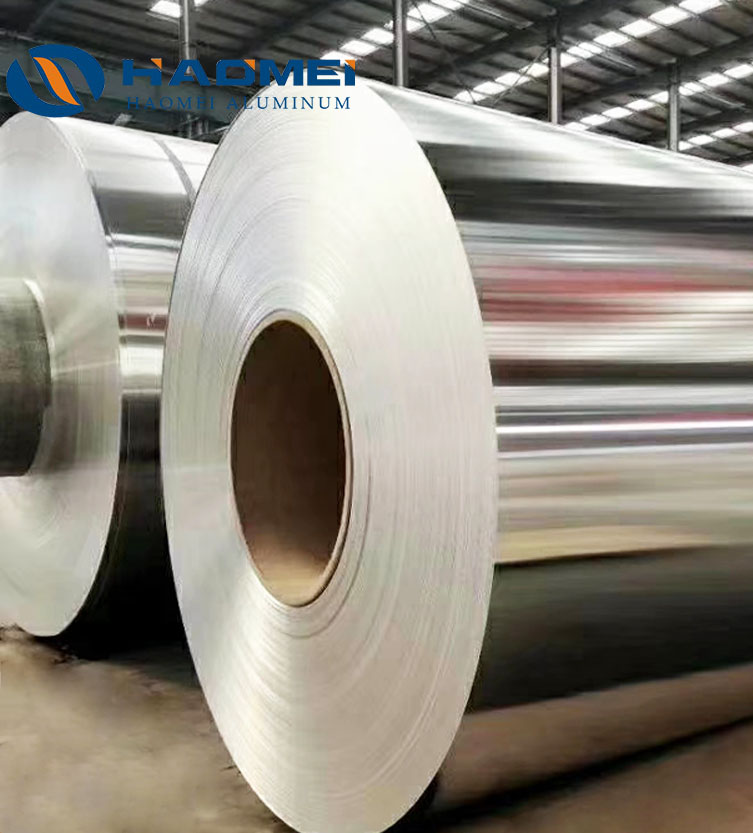
Aluminium Foil Sealing
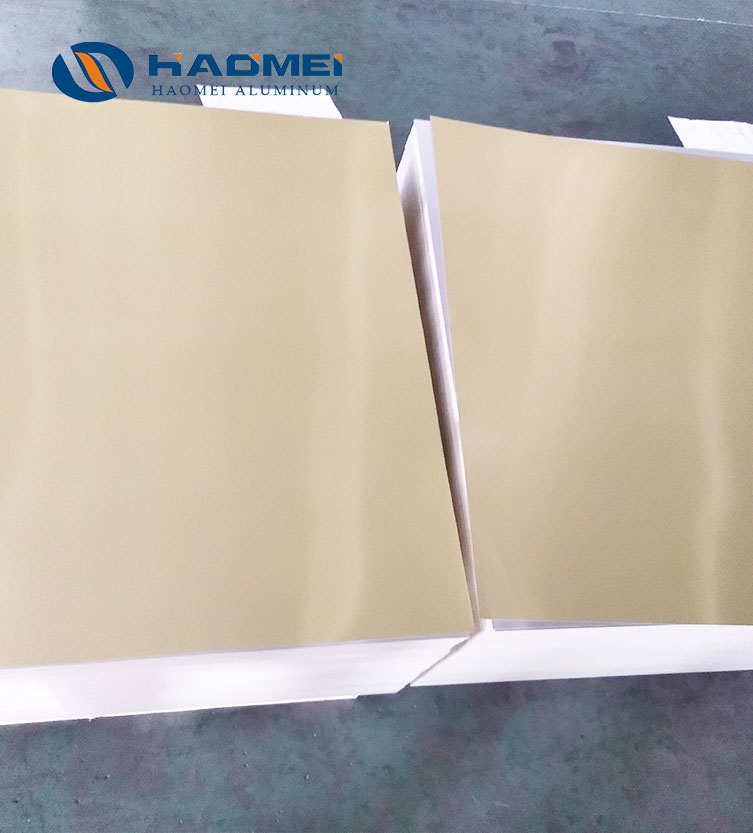
Painted aluminum
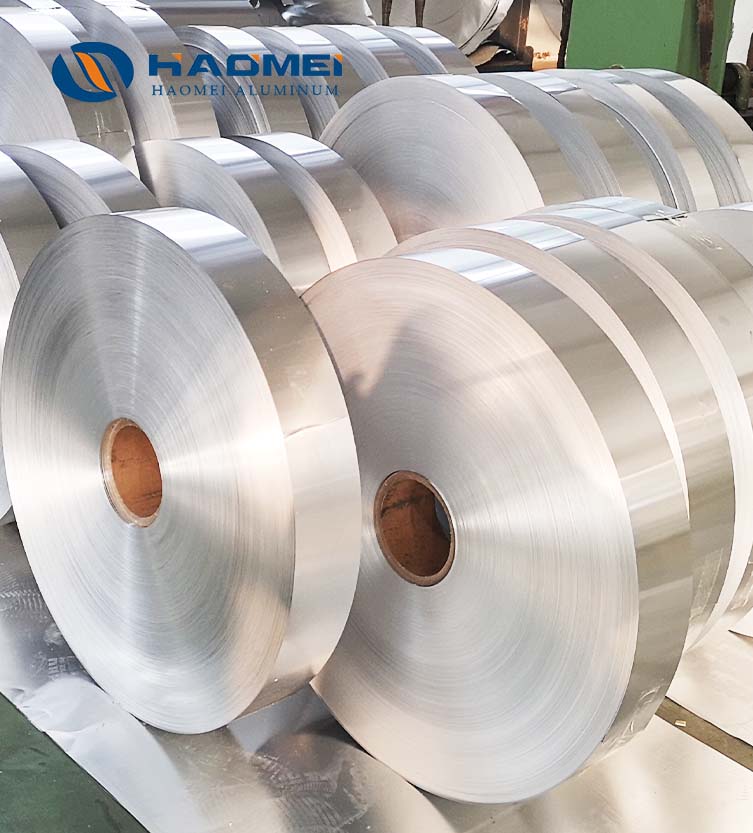
Coated Aluminum Strip
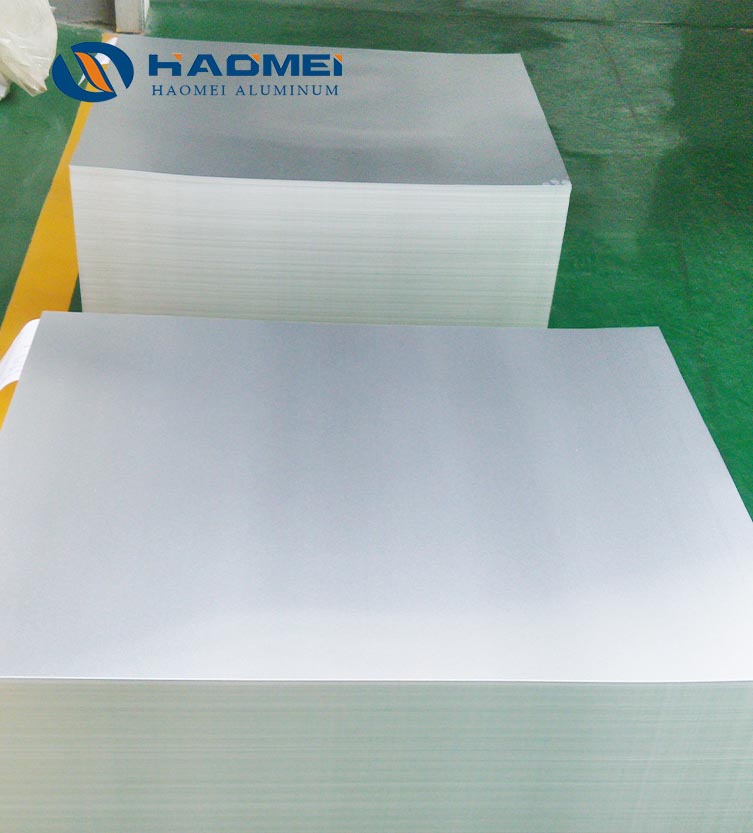
Plain Aluminum
Alloy
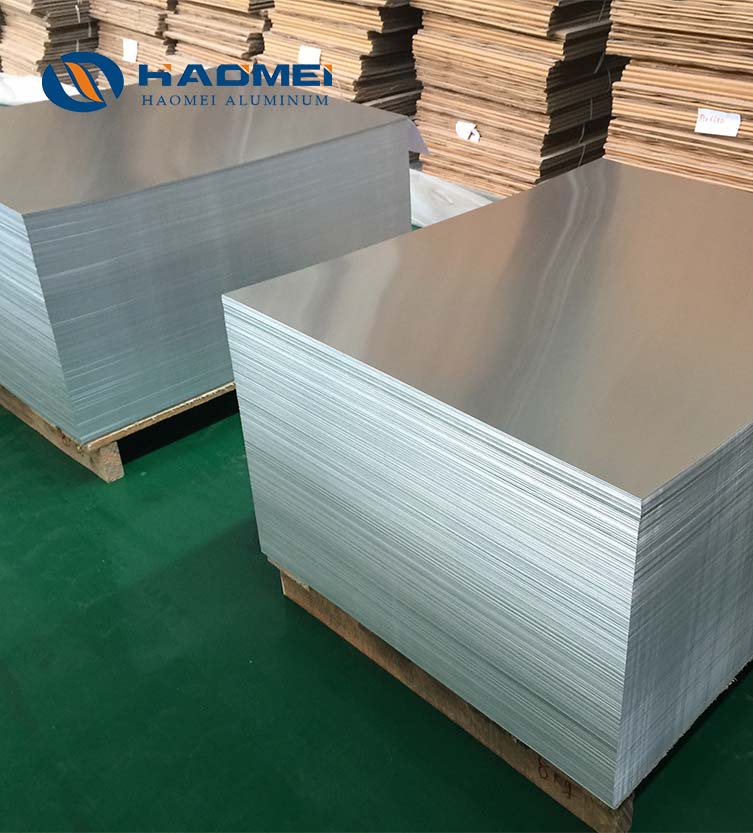
1060
Application
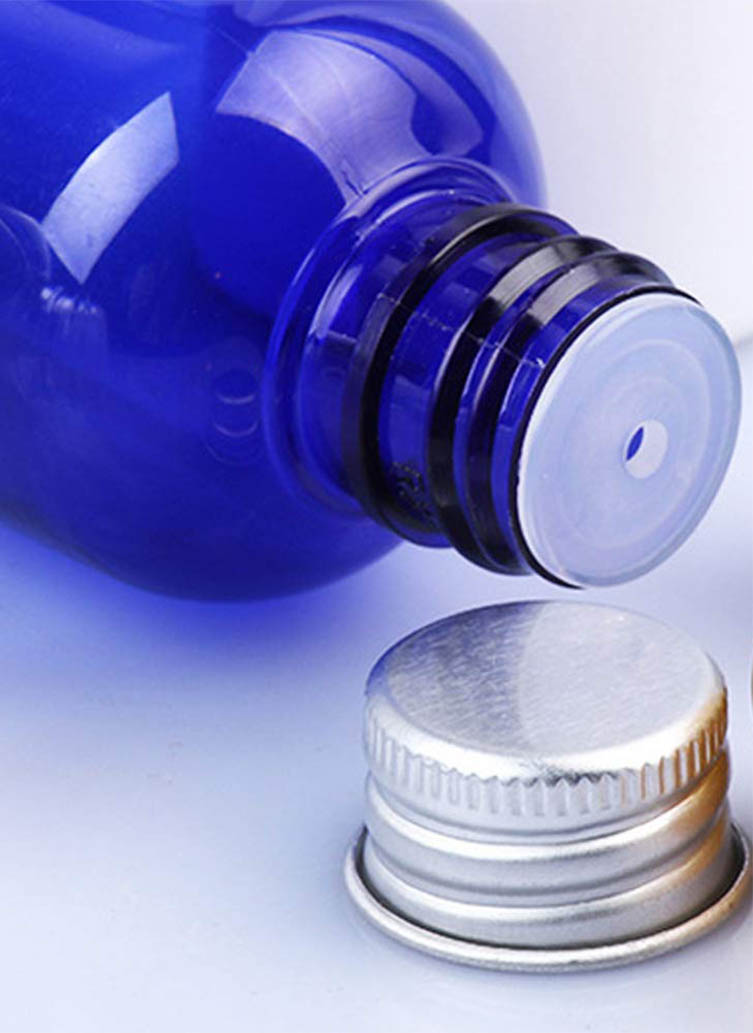
Cosmetic cap
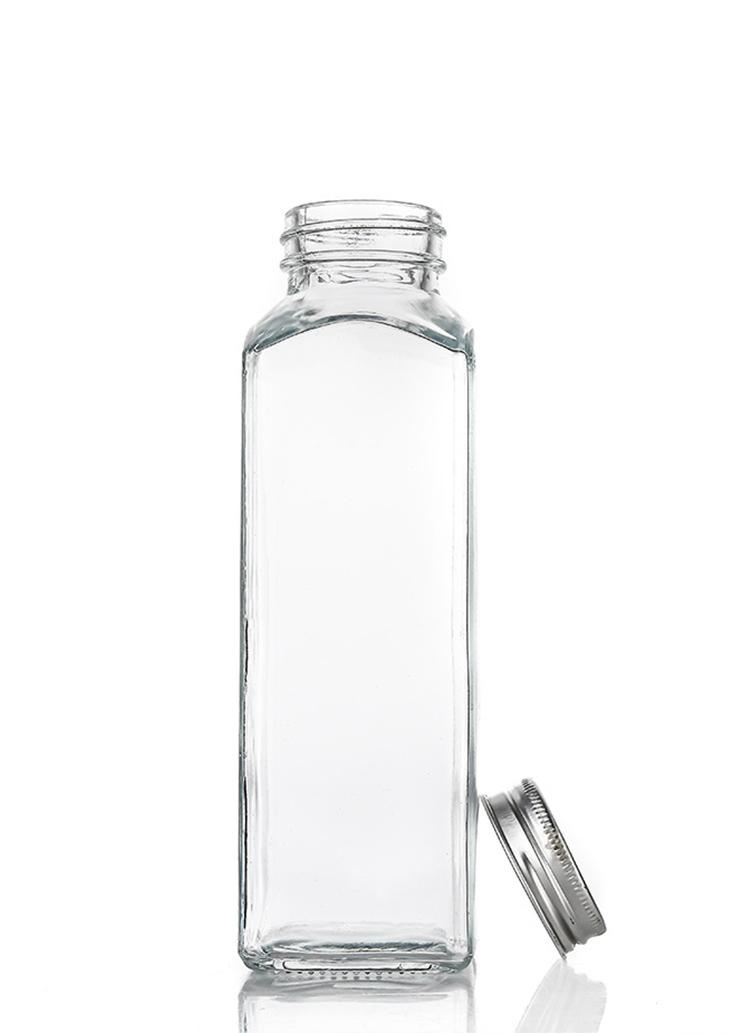
Beverage cap
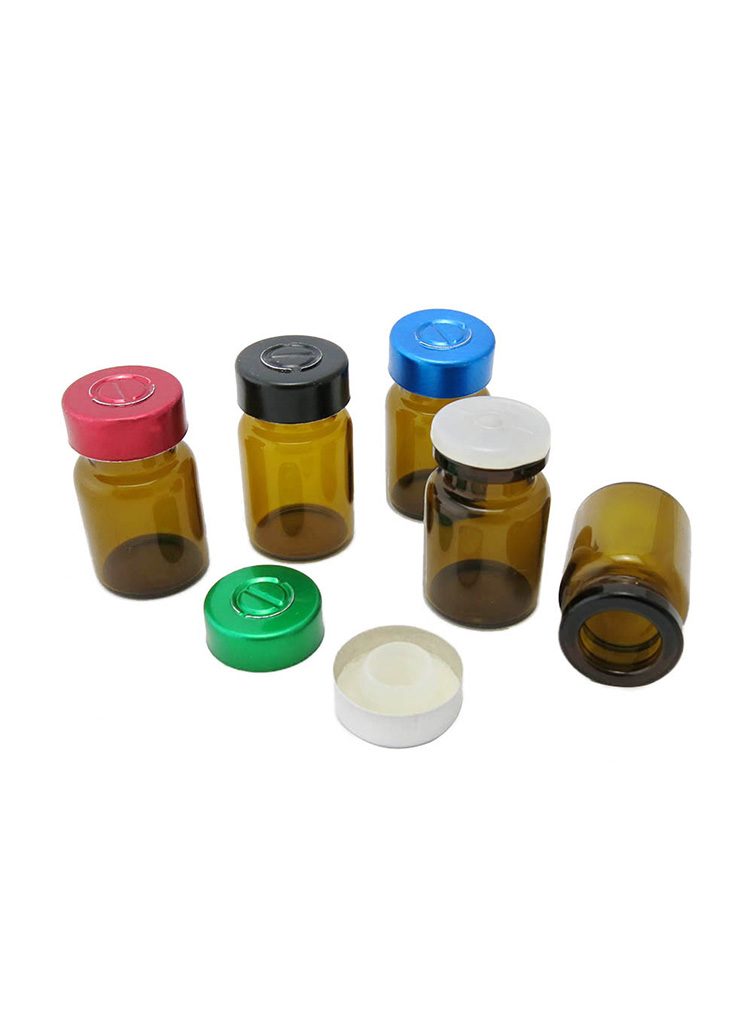
Medical bottle cap

+86-15978414719


+86-15978414719


sale@alumhm.com