

2026-05-21
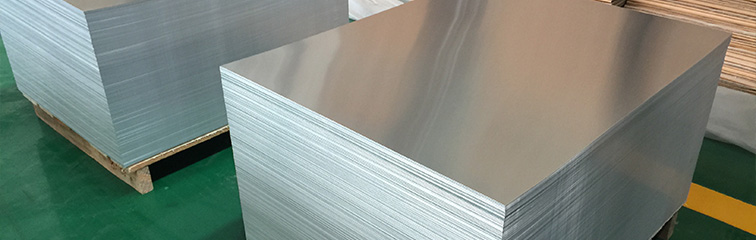
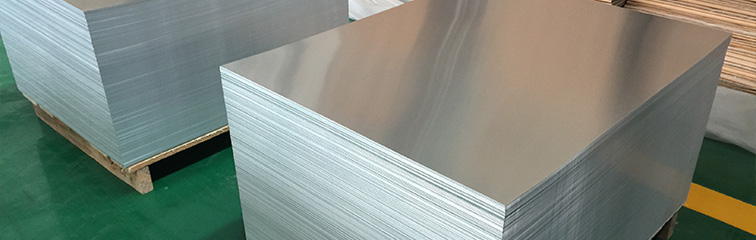
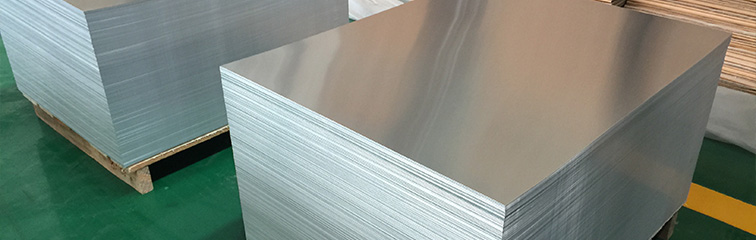
For factories planning bottle cap production, the aluminium plain sheet price is rarely a single number. It changes with LME aluminum, alloy grade, thickness tolerance, surface treatment, coating, order quantity, and freight. In recent Q&A searches, these are the questions frequently raised by aluminum cap stock buyers.
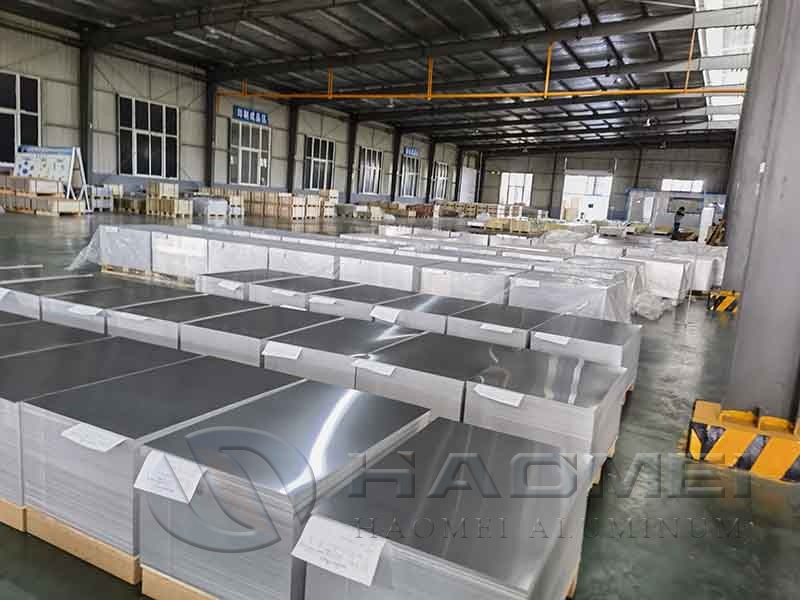
| No. | Recent question style | What the person usually wants to know |
|---|---|---|
| 1 | Why does aluminium plain sheet price vary so much between suppliers? | Price structure, alloy, temper, and hidden processing costs |
| 2 | Which aluminum alloy is best for bottle caps, 8011 or 3105? | Material selection for PP caps, ROPP caps, and closures |
| 3 | How much does thickness affect aluminum cap sheet cost? | Yield, stamping stability, and cap output per ton |
| 4 | Is coated aluminum sheet more expensive than plain sheet for caps? | Coating value, printing performance, and food contact safety |
| 5 | What should I check before ordering aluminum sheet for bottle cap making? | Practical purchase specifications and quality inspection points |
The main reason is that many quotations are not based on the same product scope. One supplier may quote only mill-finish plain sheet, while another includes degreasing, chromating, coating, protective film, precision slitting, export packing, and sea freight. For bottle cap material, those details matter because cap production requires stable stamping performance, clean surfaces, and consistent mechanical properties.
A practical quotation usually contains three parts: base aluminum price, processing fee, and logistics cost. The base aluminum price often follows LME or regional aluminum ingot prices. The processing fee depends on alloy, temper, width, thickness, surface demand, and coating. Logistics cost changes with packing type, destination port, container availability, and order volume.
For example, plain 8011 H14 sheet in standard width may cost less than a narrow, coated, printed, food-grade closure sheet because the second material needs extra processing and tighter inspection. When comparing aluminium plain sheet price, always ask whether the quote is for coil or sheet, mill finish or coated surface, and EXW, FOB, CFR, or CIF terms.
8011 and 3105 are both widely used in closure production, but they are selected for different forming requirements. 8011 aluminum sheet is common for pharmaceutical caps, wine caps, beverage caps, and pilfer-proof closures because it offers good deep drawing performance, clean surface quality, and reliable sealing behavior. 3105 is often chosen where higher strength, better corrosion resistance, or a specific cap structure is required.
For many PP caps and ROPP caps, 8011 H14, H16, or H18 is a common starting point. If the cap needs deeper drawing or special knurling, the temper should be reviewed carefully. A material that is too soft may wrinkle. A material that is too hard may crack during stamping or folding.
Factories comparing Plain Aluminum for cap production should not choose by alloy name alone. The real decision should include cap diameter, cap height, drawing depth, liner type, sealing pressure, printing method, and whether the sheet will be coated before forming.
Thickness affects both purchase price and production yield. A thicker sheet normally means fewer square meters per ton, which can reduce the number of caps made from the same weight of aluminum. However, choosing the thinnest possible material is not always economical. If the sheet is too thin, the cap may deform, lose sealing strength, or fail during capping.
Common bottle cap sheet thicknesses may range from about 0.18 mm to 0.30 mm, depending on the closure type. Short beverage caps may use thinner material, while taller or high-strength caps often need thicker sheet. For pilfer-proof caps, thickness uniformity is especially important because uneven sheet can cause inconsistent tearing bridges or poor skirt forming.
| Cap application | Common alloy choices | Typical thickness range | Price impact |
|---|---|---|---|
| Beverage PP caps | 8011, 3105 | 0.18-0.24 mm | Lower material weight, high speed stamping demand |
| Wine ROPP caps | 8011, 3105 | 0.20-0.30 mm | Higher forming stability required |
| Pharmaceutical caps | 8011 | 0.18-0.25 mm | Strict surface and cleanliness demand |
| Cosmetic closures | 8011, 3003, 3105 | 0.20-0.35 mm | Appearance and coating add cost |
The smartest way to evaluate aluminium plain sheet price is to calculate cost per 1,000 caps, not only cost per ton. A slightly higher-priced sheet may reduce scrap, improve stamping speed, and deliver more stable sealing performance.
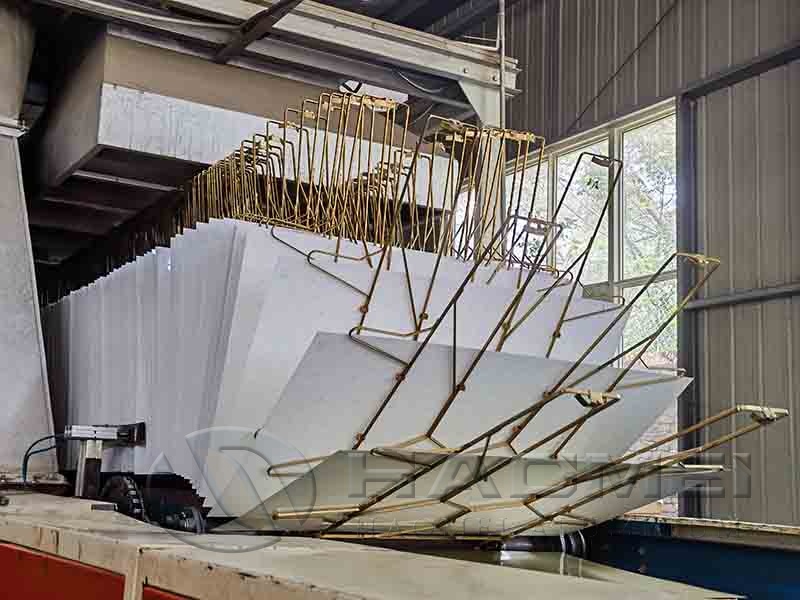
Yes, coated aluminum sheet usually costs more than plain sheet, but the extra cost may be necessary for bottle cap making. Plain aluminum sheet is suitable when the factory has its own coating, printing, or lacquer line. If the cap producer does not have surface treatment equipment, pre-coated closure sheet can save time and reduce process risk.
Coating improves corrosion resistance, ink adhesion, food contact compatibility, and visual appearance. For beverage, wine, edible oil, pharmaceutical, and cosmetic closures, the inner coating is often as important as the outer appearance. The inner lacquer must resist the liquid or product environment, while the outer coating must support printing, embossing, and forming.
The price difference depends on coating type, coating weight, color, primer, protective lacquer, and testing standard. White-coated closure sheet, gold lacquered sheet, and color-coated sheet usually have different price levels. If printing is required, the surface should have reliable adhesion after stamping, bending, and capping.
A low plain sheet price can become expensive if the surface has oil stains, pinholes, scratches, or poor coating adhesion after later processing. For cap production, surface quality is not cosmetic only. It directly affects printing yield, corrosion resistance, and brand appearance.
Before placing an order, prepare a clear specification sheet. This avoids misunderstandings and makes price comparison much more accurate. Important details include alloy, temper, thickness, width, sheet length or coil ID, surface condition, coating requirement, packing, tolerance, and application.
For bottle cap material, the supplier should understand whether the aluminum will be used for PP caps, ROPP caps, vial seals, wine closures, beverage caps, or cosmetic caps. Each cap type has different forming and surface requirements. If possible, send cap drawings, current material data, or sample caps for reference.
| Item to confirm | Why it matters |
|---|---|
| Alloy and temper | Controls forming, strength, and crack resistance |
| Thickness tolerance | Affects cap weight, stamping stability, and sealing |
| Surface cleanliness | Helps coating, printing, and food contact performance |
| Mechanical properties | Prevents wrinkling, cracking, or weak cap walls |
| Coating type | Supports corrosion resistance and product safety |
| Packing method | Protects sheet or coil during export transport |
| Trial order quantity | Allows production testing before larger scheduling |
Also ask for quality documents such as chemical composition, mechanical property report, surface inspection record, and coating test data if coated material is involved. For export orders, moisture-proof packaging is important because aluminum closure sheet can be damaged by seawater vapor, condensation, or poor storage.
When discussing aluminium plain sheet price with a supplier, share your monthly demand, cap size, production speed, scrap problems, and target delivery schedule. A precise technical conversation usually results in a more realistic quotation than asking only for the cheapest price per ton.
For new cap projects, sample testing is strongly recommended. Test the sheet through feeding, punching, drawing, printing, lining, capping, and leakage inspection. If the material performs smoothly across these steps, the quoted price becomes meaningful because it is connected to real production output.
Tags: aluminium plain sheet price | aluminum bottle cap material | aluminum closure sheet | PP cap aluminum sheet |
Original Source: https://www.alclosuresheet.com/a/aluminium-plain-sheet-price.html

+86-15978414719


+86-15978414719


sale@alumhm.com