


2026-04-09
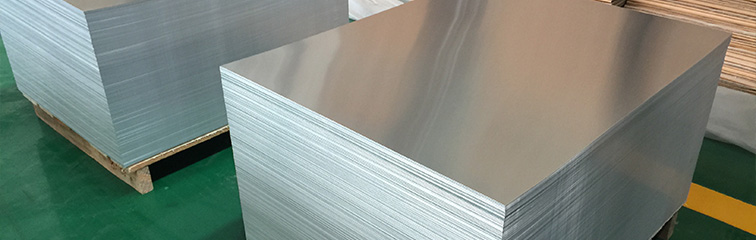
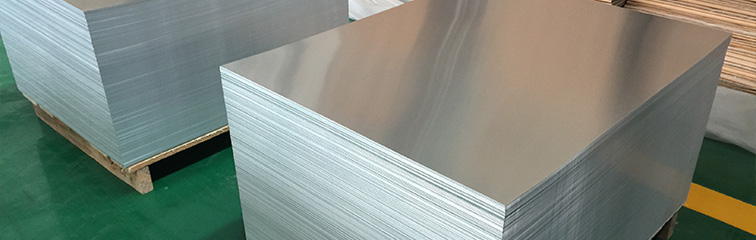
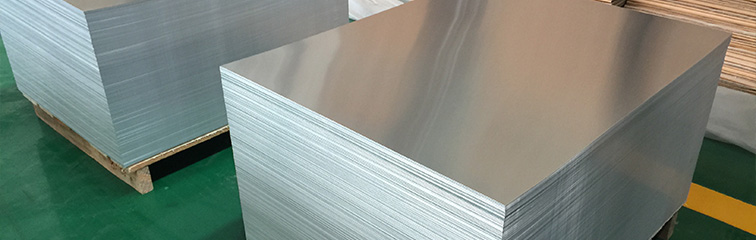
Potential users searching for plain aluminium sheet for bottle caps often source conversations: Which alloy is right, what thickness is typical, does plain sheet need coating, and how do you avoid cracking during cap making? Now there are answers we provide for you.
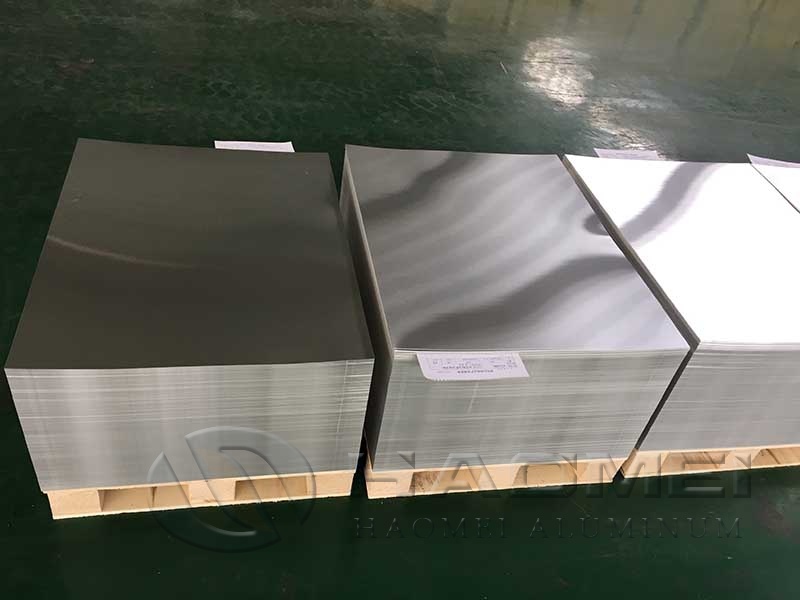
This is one of the most common questions because many first-time purchasers assume any aluminum sheet can be stamped into caps. In practice, bottle cap production needs a balance of formability, strength, surface quality, and compatibility with printing or coating lines.
For many closure applications, 8011 aluminum alloy is widely preferred. It offers good deep drawing performance, stable mechanical properties, and reliable results in pilfer-proof caps, ROPP caps, beverage closures, and pharmaceutical seals. In some projects, 3105 and 1060 are also discussed, but 8011 remains the mainstream choice when cap making consistency matters most.
A simple comparison is below.
| Alloy | Typical Use in Caps | Main Advantage | Purchase Note |
|---|---|---|---|
| 8011 | ROPP caps, screw caps, pilfer-proof caps | Excellent balance of strength and formability | Most common option for cap stock |
| 3105 | Certain closure and decorative applications | Good strength and surface finish | Often selected when finish matters |
| 1060 | General aluminum parts, some simple caps | High purity and softness | Not always ideal for demanding cap forming |
If your end use includes high-speed cap forming and threading, Plain Aluminum in 8011 temper is usually the safer starting point than a general industrial sheet.
This question comes up often because new purchasers tend to focus only on price per ton, while cap manufacturers care more about cost per thousand closures and forming yield. Thickness directly affects stamping, threading, panel strength, and scrap rate.
For bottle caps, a common thickness range is about 0.15 mm to 0.25 mm, though exact requirements depend on cap diameter, closure type, and line speed. Many aluminum bottle cap applications fall around 0.18 mm to 0.23 mm. Thin material may reduce raw material cost, but if it becomes too soft or too thin for the design, problems such as wrinkling, poor knurling definition, or deformation during transport can appear.
Here is a practical reference table.
| Closure Type | Common Thickness Range | What to Watch |
|---|---|---|
| ROPP aluminum caps | 0.18 mm to 0.23 mm | Good thread formation and skirt strength |
| Beverage closures | 0.20 mm to 0.25 mm | Pressure resistance and lining compatibility |
| Pharmaceutical caps | 0.15 mm to 0.22 mm | Precision forming and cleanliness |
| Cosmetic or decorative caps | 0.18 mm to 0.24 mm | Surface quality after printing or embossing |
The best approach is to match thickness with actual tooling and cap design, not only with target price. A cheaper sheet that causes line stoppage is usually more expensive in real production.
Yes, in most commercial cap applications, plain aluminium sheet is only the starting material. It often needs surface treatment depending on the final use. This is another hot question because many new purchasers confuse "plain" with "ready for direct filling line use".
Plain aluminium sheet usually means unprinted and unembossed sheet, but cap makers may still require one or more of the following:
Lubrication for stamping efficiency
Protective coating for corrosion resistance
Primer for printing adhesion
Inside lacquer suited to food, liquor, beverage, or pharmaceutical contact
For wine and spirits caps, the inside surface is especially important because product contact and vapor resistance can affect closure performance. For beverage caps, compatibility with liners and sealing compounds matters just as much as the metal itself.
So, if you are sourcing for a cap plant, ask not only about alloy and temper, but also about whether the material will be supplied as mill-finish plain sheet or as pre-treated cap stock. This distinction changes both cost and downstream processing.
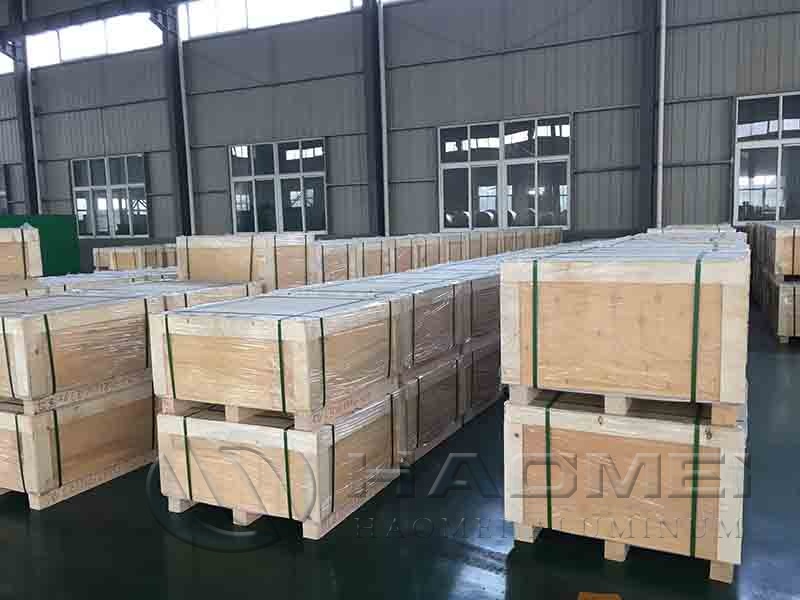
This is one of the most urgent quality questions from new cap producers. Cracking during stamping, drawing, or threading is rarely caused by one factor alone. It usually comes from a mismatch between material properties and process settings.
The most frequent causes include:
Wrong temper, especially material that is too hard
Uneven thickness tolerance across the coil
Poor edge quality after slitting
Inadequate lubrication during forming
Tooling wear or unsuitable die geometry
Surface defects or inclusions in the sheet
For bottle cap stock, temper control is critical. Material that is too soft may deform too easily, while material that is too hard can split at the skirt or thread area. That is why cap factories usually ask for a narrow mechanical property range, not just a broad alloy specification.
When discussing supply with a mill, it is helpful to ask for data on tensile strength, elongation, ear-making tendency, surface cleanliness, and thickness tolerance. A qualified supplier of aluminum closure sheets should be able to provide these details instead of only offering a basic quotation.
This question has become increasingly common as sourcing shifts online. Many suppliers can offer aluminum sheet, but far fewer understand bottle cap manufacturing requirements.
A suitable supplier should be able to discuss more than width and price. Look for these indicators:
| Check Point | Why It Matters for Cap Making |
|---|---|
| Alloy and temper recommendation | Shows real application knowledge |
| Tight thickness tolerance | Reduces forming defects and scrap |
| Surface cleanliness | Important for coating, printing, and appearance |
| Coil flatness | Helps stable feeding on high-speed lines |
| Proven closure application experience | Lowers trial-and-error risk |
| Test certificates | Supports quality consistency |
You can also ask whether the material has experience in ROPP caps, liquor caps, beverage closures, or pharmaceutical aluminum caps. A supplier serving those segments is more likely to understand practical production needs.
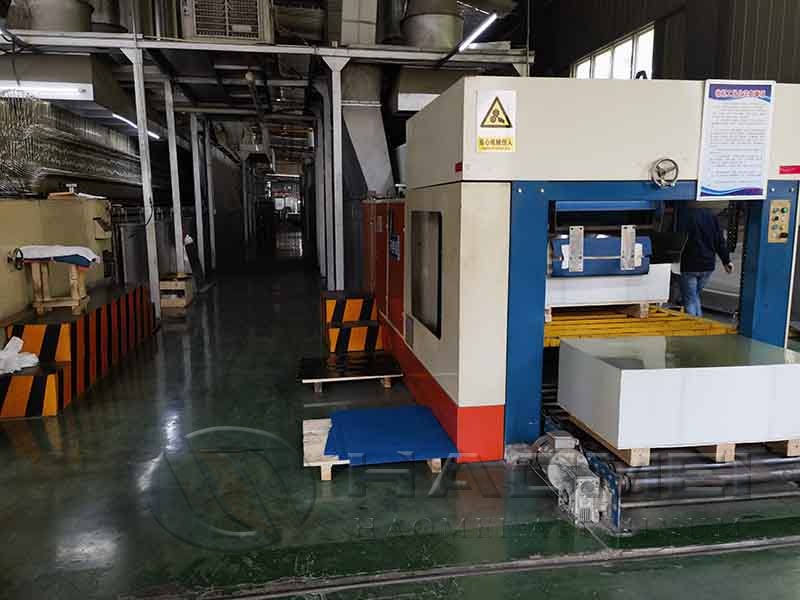
Another useful sign is whether the supplier discusses manufacturing yield. Experienced cap-material partners know that stable stamping performance, fewer cracked caps, and better decoration results often matter more than a small difference in initial sheet price.
For new purchasers, the most effective first inquiry usually includes these points: alloy, temper, thickness, coil width, end-use cap type, whether coating is needed, and expected annual volume. That makes it easier to receive an offer aligned with actual bottle cap making rather than a generic sheet quotation.
Tags: plain aluminium sheet | aluminum bottle cap material | bottle cap sheet | cap stock aluminum | aluminum closure sheet |
Original Source: https://www.alclosuresheet.com/a/plain-aluminium-sheet.html

+86-15978414719


+86-15978414719


sale@alumhm.com