


2026-03-19
People searching for aluminum plain sheet price are often trying to estimate the true cost of making aluminum bottle caps, not just the metal itself. Below are 5 questions that have been trending across major Q&A platforms recently, with practical answers focused on cap stock, closure sheet, and real quoting details.
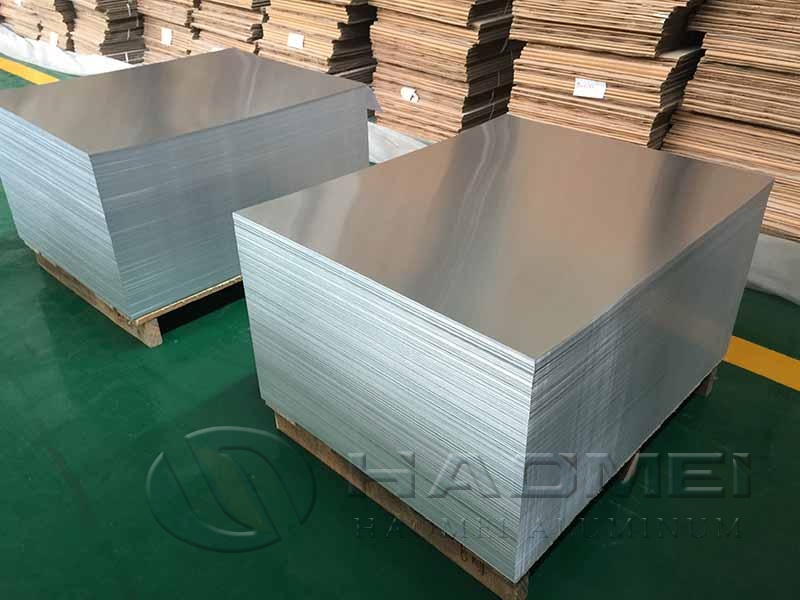
Even with identical thickness, your price can move because the quote usually includes multiple components.
Aluminum base price or index movement: Many mills and service centers tie pricing to an index or primary aluminum market level. When that moves, your "same spec" changes.
Alloy and temper premium: Bottle cap material frequently uses controlled chemistry and tight temper windows to support drawing and knurling. That adds a processing premium compared with general-purpose sheet.
Rolling and finishing route: A sheet can be quoted as hot rolled, cold rolled, or with extra leveling steps. Cap applications may need better flatness to reduce stoppages.
Surface and cleanliness requirements: For caps, the surface has to behave consistently during forming and lining. Extra inspection and trimming can raise cost.
If you are sourcing for closures, consider requesting a quote that clearly breaks out base metal, conversion, and any coating or finishing adders. That makes it easier to compare suppliers.
For bottle caps, buyers commonly discuss 8011, 3105, and similar closure alloys. Price differences come from availability, processability, and scrap value stability.
Here is a practical way to think about it:
| Cap requirement | What it implies for spec | Why it affects price |
|---|---|---|
| Stable forming and knurling | Tight temper control, consistent elongation | Extra process control and testing |
| Good lacquer adhesion | Clean surface, controlled roughness | More stringent finishing or surface inspection |
| Lining compatibility | Consistent coating base, fewer inclusions | Higher rejection risk is priced in |
| High-speed capping | Flatness and gauge consistency | Better leveling and tighter tolerances |
For many cap producers, the cheapest sheet is not the lowest total cost if it creates jams, cracked skirts, or inconsistent torque removal. In quotes, ask which tolerances are standard and which are "special."
If your end use is specifically closure stock, you may find it easier to compare suppliers by asking for cap-dedicated material such as Plain Aluminum in the correct alloy and temper range.
A common problem on social Q&A threads is that people compare a "metal price" to a delivered, production-ready quote.
Typically included:
Sheet or coil price based on thickness, width, alloy, temper
Standard tolerances and standard packing
Basic documentation such as mill test certificate if requested
Often excluded or quoted separately:
Coatings and lacquers: Clear, gold, or internal lacquer systems can change price materially, especially if you need specific BPA-NI systems or migration compliance.
Slitting, cut-to-length, and edge trimming: Cap plants often need narrow widths, tight burr control, or specific ID/OD coil requirements.
Freight and insurance: Delivery terms matter. A CIF-style quote is not comparable to EXW.
Trial orders, small MOQ surcharges: Small runs carry setup and yield penalties.
A useful tactic: ask every supplier to quote with the same delivery term, the same packing spec (pallet type, moisture protection), and the same tolerance class.
MOQ and tolerance are two of the fastest ways to move your price up or down.
MOQ: If your order is below the mill's economical rolling and finishing batch size, the supplier is pricing in changeovers, yield loss, and extra handling. That can create a higher per-ton conversion cost.
Thickness and width tolerance: Tight gauge tolerance reduces your forming variation and helps torque consistency, but it may require slower rolling speeds, more inspection, and more rejects.
Flatness and residual stress: Cap-making lines are sensitive to camber and waviness. Better flatness can require additional leveling or tension leveling steps.
If you are new to cap production, it is often smarter to specify the tolerances that affect capping performance most, instead of tightening everything. Ask your cap tool or press supplier which parameters are most critical for your line speed.
To compare quotes fairly, standardize your RFQ and make suppliers answer the same checklist.
Use this comparison table format:
| Item to standardize | What to specify | What you are preventing |
|---|---|---|
| Alloy and temper window | Exact alloy, temper range, mechanical targets | Cracking, inconsistent skirt formation |
| Coating needs | Type, side, thickness, cure, compliance | Adhesion issues, lining defects |
| Dimensions | Thickness, width, ID, OD, coil weight | Press feeding problems |
| Tolerances | Gauge, width, camber, flatness | High scrap and downtime |
| Quality docs | MTC, coating cert, RoHS or food-contact statements | Re-qualification delays |
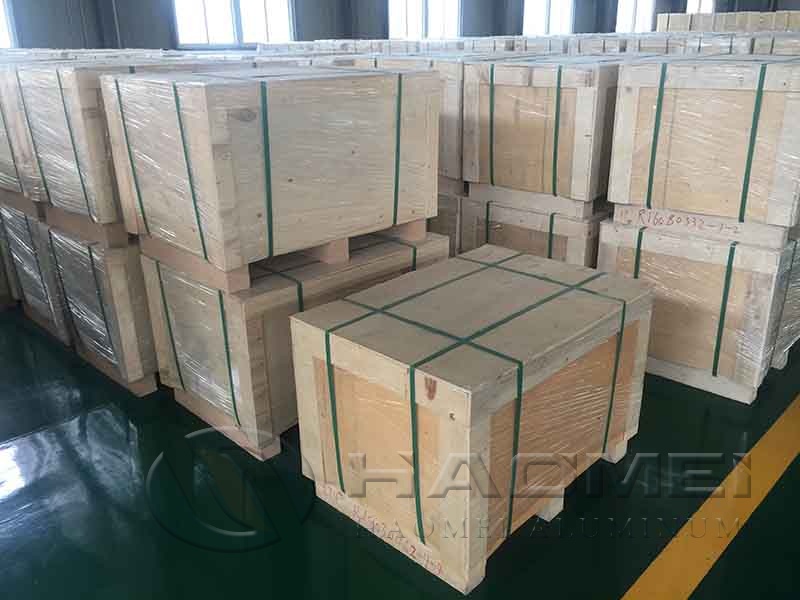
| Packing | Moisture barrier, corner protection, pallet spec | Transit damage and oxidation |
Also, ask one direct question that surfaces hidden costs: "If we see edge burr or surface oil inconsistency during stamping, how do you handle claims and replacement lead time?" A supplier with a clear process is often safer than a slightly cheaper quote.
When you are sourcing closure material specifically, you can reference cap-focused product language like Plain Aluminum and request a cap-stock style quote that includes the finishing and consistency needed for high-speed capping lines.
Tags: aluminum plain sheet price | aluminum sheet for bottle caps | aluminum cap stock | closure sheet |
Original Source: https://www.alclosuresheet.com/a/aluminum-plain-sheet-price.html

+86-15978414719


+86-15978414719


sale@alumhm.com