


2026-07-01
July is not too early to secure closure material for Diwali gift beverages, Oktoberfest beers, Thanksgiving wines, Christmas spirits, and New Year sparkling drinks. For canners, bottlers, cap makers, and packaging converters, the holiday risk is simple: a popular seasonal SKU can fail on the line if the cap material cracks, ears unevenly, or arrives too late for printing and slitting.
This article focuses on one concern: forming consistency during high-speed holiday production. The holiday solution is to specify aluminum cap stock as a controlled forming material, not just as a commodity coil.
Seasonal packaging usually adds metallic colors, promotional graphics, gift packs, and smaller campaign windows. A closure plant may need to shift between wine caps, beverage caps, pharmaceutical caps, and food container lids within a compressed schedule.
If the cap stock has unstable temper, poor surface cleanliness, or coating inconsistency, the effects show up fast:
| Production issue | Holiday impact | Specification action |
|---|---|---|
| Cap cracking during drawing | Press stoppage and scrap increase | Confirm alloy, temper, elongation, tensile range, and bend performance |
| Uneven earing | Higher trimming loss and unstable cap height | Request earing data or forming history for similar closures |
| Coating peel-off | Rejected printed closures | Match coating system to printing, lacquer, sterilization, or pasteurization process |
| Color mismatch | Brand packaging inconsistency | Approve master color sample before mass coating |
| Late coil arrival | Missed seasonal filling window | Reserve rolling, coating, slitting, and packing slots early |
For campaigns that must ship before November and December retail peaks, the safest purchasing window is usually Q3 planning with Q4 release scheduling. This gives time for artwork approval, trial pressing, food-contact document review, and shipment booking.
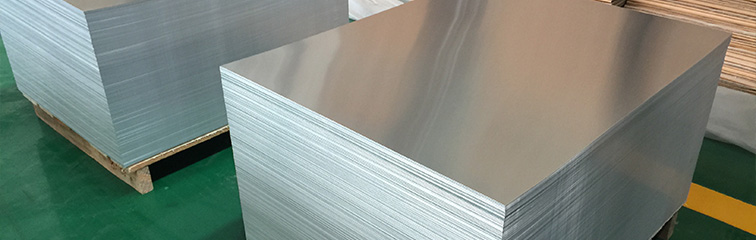
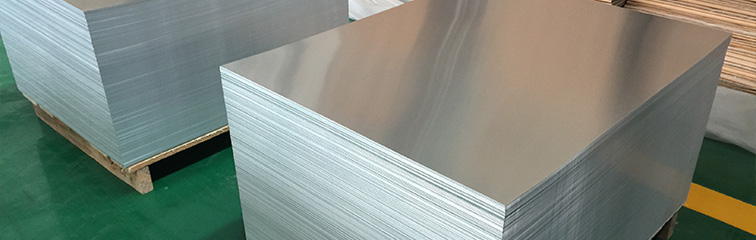
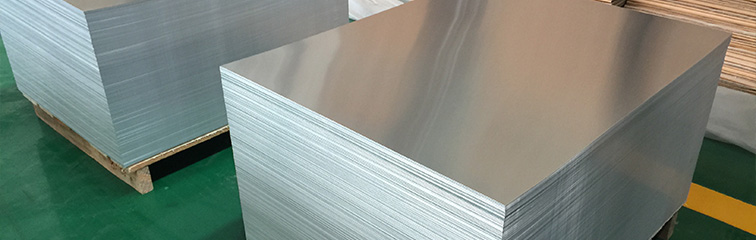
Aluminum closure material is commonly supplied as sheet, strip, or coil for pilfer-proof caps, ROPP closures, beverage caps, easy-open components, and cosmetic or pharmaceutical closures. Common alloy families used in closure applications include 8011, 3105, and 5182, depending on forming depth, strength demand, and cap design. Final selection should be validated by the cap geometry and tooling.
Use this checklist before confirming a seasonal order:
| Item to confirm | Why it matters | What to request |
|---|---|---|
| Alloy and temper | Controls strength and drawability | Material certificate showing alloy, temper, tensile strength, yield strength, and elongation |
| Thickness and tolerance | Affects cap height, thread forming, and sealing pressure | Tolerance agreed under recognized standards such as ASTM B209/B209M or EN 485 where applicable |
| Surface condition | Impacts printing, coating adhesion, and hygiene | Degreased, stain-free, scratch-controlled surface acceptance criteria |
| Coating or lacquer | Protects product contact side and supports decoration | Coating type, coating weight, curing condition, adhesion test result |
| Slitting quality | Reduces edge cracks and press debris | Burr limit, edge condition, inner diameter, outer diameter, coil weight |
| Traceability | Helps isolate any holiday batch issue quickly | Coil number, heat number, production date, inspection report |
If your plant prints or lacquers in-house, uncoated material may be preferred. For that route, Plain Aluminum can support internal decoration control, provided the surface cleanliness and oil level match your coating line.
Holiday packaging often moves across regions, so documentation should be reviewed before production, not after arrival. For food and beverage closures, relevant frameworks may include:
United States: FDA 21 CFR 175.300 covers resinous and polymeric coatings intended for food-contact surfaces.
European Union: Regulation (EC) No 1935/2004 sets general requirements for materials intended to contact food.
European Union GMP: Regulation (EC) No 2023/2006 covers good manufacturing practice for food-contact materials.
Dimensional standards: ASTM B209/B209M covers aluminum and aluminum-alloy sheet and plate; EN 485 covers aluminum and aluminum-alloy sheet, strip, and plate.
Do not assume one certificate covers every cap application. A closure for wine, carbonated drinks, hot-fill juice, pharmaceuticals, or edible oil may need different coating resistance, sterilization compatibility, or migration documentation.
Ask for these documents before approving shipment:
Mill test certificate for each coil batch.
Coating compliance declaration, if coated or lacquered.
RoHS or REACH statement, if required by the destination market.
Surface inspection report with agreed defect limits.
Trial coil report or previous production data for similar cap designs.
Packing method, moisture protection, and pallet photos before dispatch.
Aluminum pricing is usually built from a metal reference price plus conversion cost, coating or printing cost, packaging, freight, and payment terms. The London Metal Exchange publishes official aluminum prices, while regional markets may use other references such as SHFE. Because metal prices move daily, quote validity and pricing formula should be written into the purchase contract.
A practical holiday schedule looks like this:
| Timing | Action | Output |
|---|---|---|
| 16 to 20 weeks before filling | Confirm cap design, alloy, temper, coating, and print plan | Technical specification locked |
| 12 to 16 weeks before filling | Run sample coil or sheet trial | Press performance and coating adhesion confirmed |
| 8 to 12 weeks before filling | Reserve rolling, coating, slitting, and inspection capacity | Production slot secured |
| 6 to 8 weeks before filling | Approve final color, artwork, and pallet packing | Mass production release |
| 3 to 6 weeks before filling | Arrange shipment and incoming inspection | Material staged before holiday production |
For printed caps, build in extra approval time. Metallic inks, matte varnish, gold effects, and white base coats can look different after curing and forming. A flat print sample is useful, but a formed cap sample is stronger evidence.

| Option | Best use during holidays | Advantage | Watch point |
|---|---|---|---|
| Plain coil or sheet | Plants with internal coating or printing | Flexible for multiple seasonal SKUs | Requires strict surface and oil control |
| Lacquered or coated stock | Food, beverage, and pharmaceutical closures | Faster conversion and defined protection layer | Confirm food-contact compliance and curing quality |
| Printed closure sheet | Gift packs, limited editions, brand campaigns | Shortens decoration steps at the cap plant | Artwork approval must be completed early |
For high-volume holiday runs, the most reliable choice is the one already proven on your tooling. If a new festive color or coating is required, trial it before the main order. A small delay in sample approval is easier to manage than a full press stoppage in November.
Use precise terms in the order document:
Alloy, temper, thickness, width, and tolerance.
Coil inner diameter, outer diameter, and maximum coil weight.
Surface type: mill finish, coated, lacquered, printed, or embossed.
Coating side: one side or two sides.
Color reference and approved sample code.
Burr direction and maximum burr requirement after slitting.
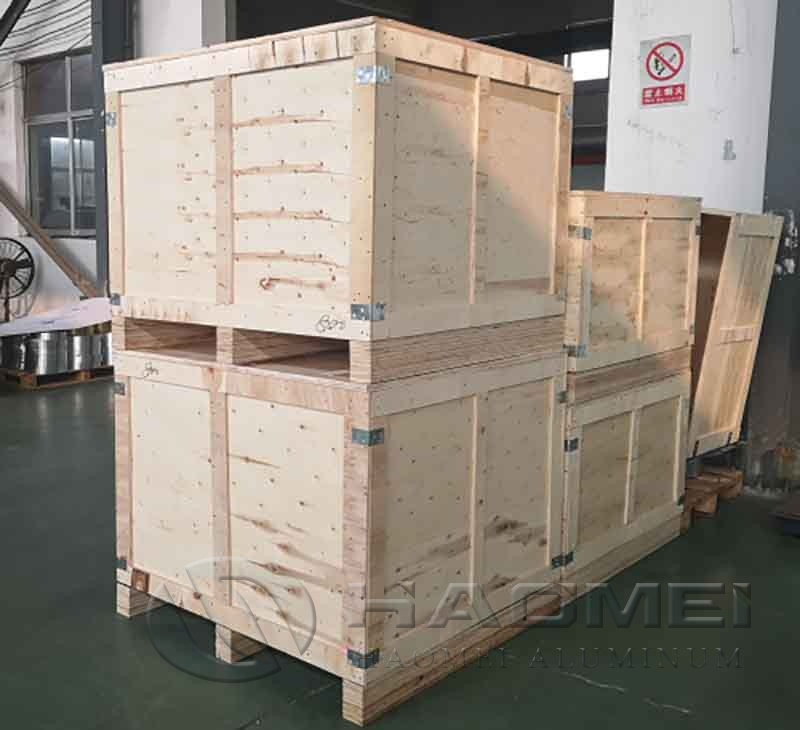
Packaging: seaworthy pallets, moisture barrier, desiccant, and vertical or horizontal coil position.
Inspection standard and rejection process.
Required certificates and country-specific compliance statements.
For holiday packaging, forming consistency is not a minor technical point. It is the control factor that keeps seasonal closures moving through drawing, threading, sealing, printing, and final packing with fewer interruptions.
Tags: Aluminum cap stock | aluminum closure stock | closure sheet |
Original Source: https://www.alclosuresheet.com/a/aluminum-cap-stock.html

+86-15978414719


+86-15978414719


sale@alumhm.com