

2026-02-05
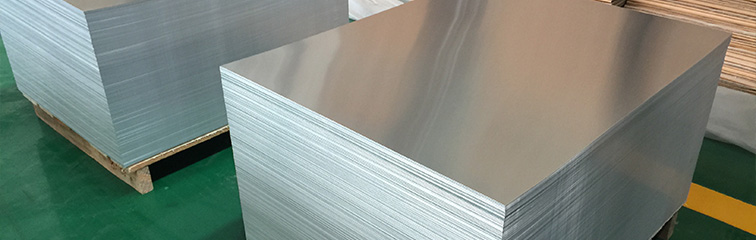
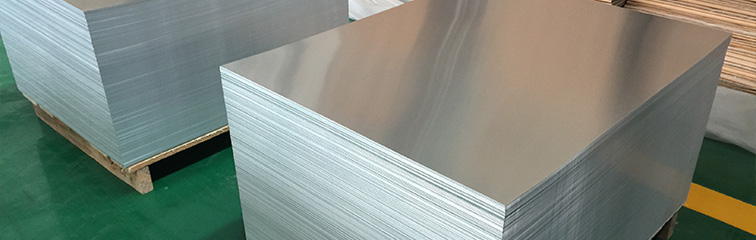
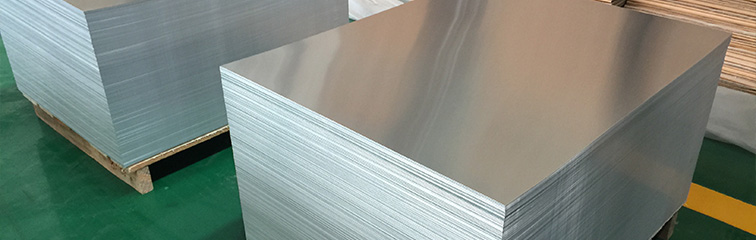
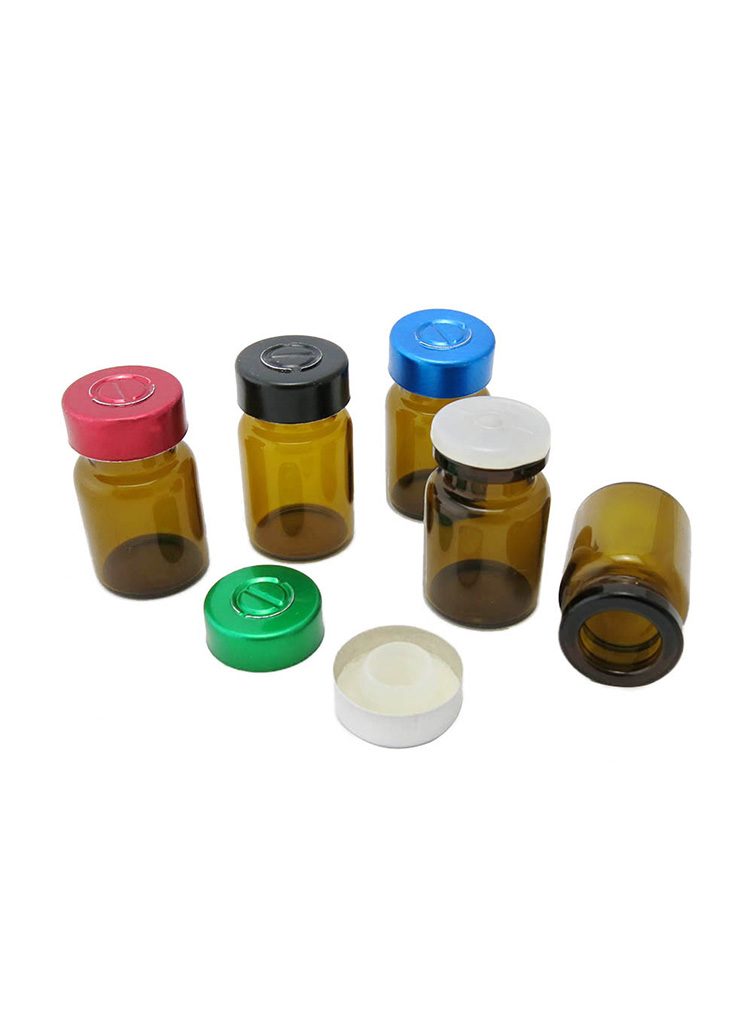
In the bottle cap manufacturing industry, aluminum bottle cap material, due to its lightweight, ease of molding, and good barrier properties, has become the core material for bottle caps of bottled food, beverages, and daily chemical products.
However, aluminum closure sheets are prone to oxidation and have relatively weak corrosion resistance, and may experience substance migration when in direct contact with the contents. Therefore, the choice of coating directly determines the safety, durability, and appearance of the bottle cap, especially for food contact bottle caps, where coating compliance is paramount.
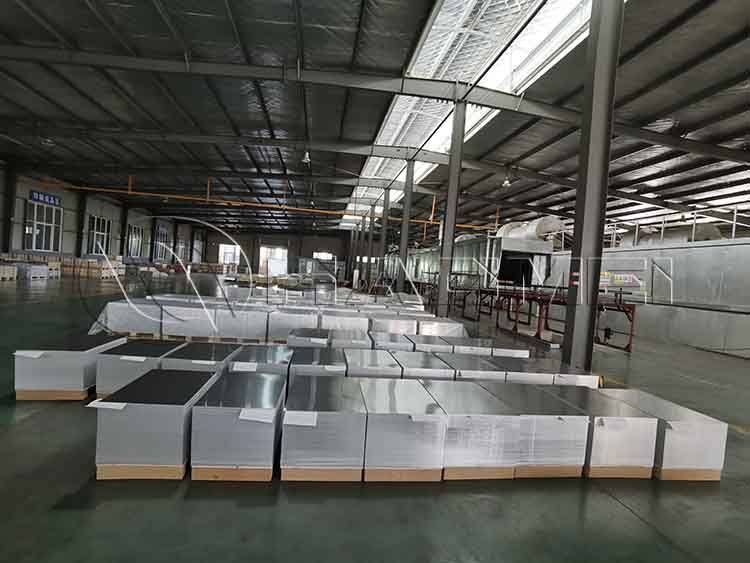
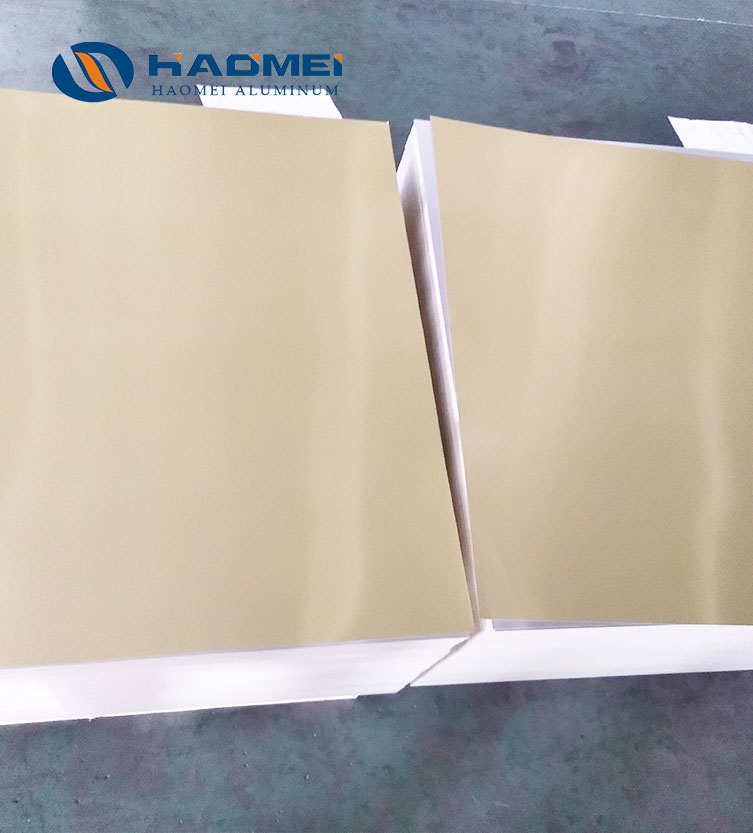
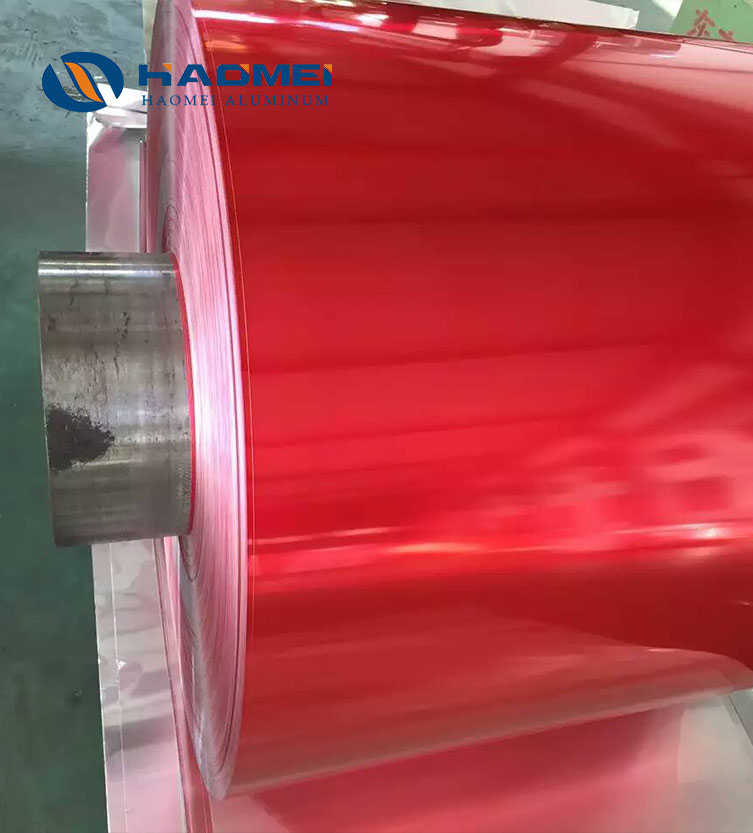
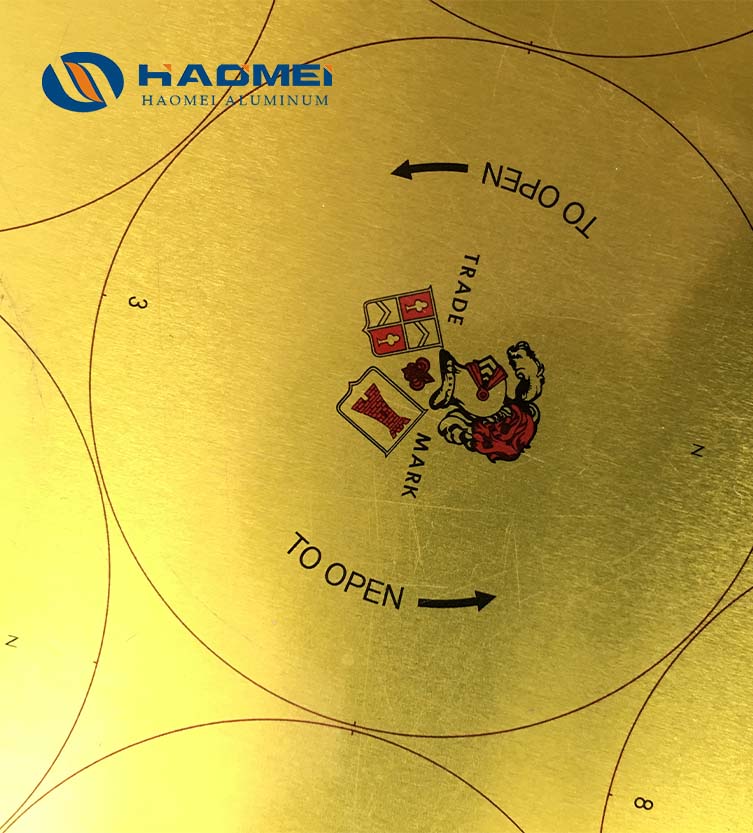
The coatings on painted aluminum sheets are mainly divided into internal coatings (directly in contact with the contents) and external coatings (surface decoration and protection). These two types have different functions and focuses, and choosing the right coating based on production needs and the characteristics of the contents is crucial.
The internal coating comes into direct contact with the contents of food, beverages, etc., and is the first line of defense for food safety. It must be non-migrating, resistant to corrosion from the contents, and resistant to high temperatures (suitable for sterilization and hot-filling processes). Common types include:
- Epoxy polyamino resin coating: Currently the mainstream choice for internal coatings of food bottle caps. It has extremely strong adhesion, can tightly adhere to the surface of the aluminum sheet, and is not easily peeled off. Excellent acid, oil, and temperature resistance, suitable for various contents such as fruit juice, carbonated beverages, and edible oils. It also exhibits good chemical stability, will not react with the contents, and easily meets compliance standards. Most companies prioritize this type of coating for food contact applications.
- Acrylic epoxy amino resin coating: Optimized from epoxy polyamino resin, it offers higher gloss, better weather resistance and scratch resistance, while retaining excellent food safety performance. Suitable for high-end bottle caps with certain aesthetic requirements, such as those for premium beverages and health supplements, it also meets stringent migration testing requirements.
- Amino alkyd epoxy resin coating: Possesses good flexibility and impact resistance, suitable for complex bottle cap designs requiring stamping. The coating is less prone to cracking and peeling during the molding process. It has good water and corrosion resistance and can be used for bottle caps of bottled water and neutral beverages, but its oil resistance is slightly weaker, making it unsuitable for high-fat food bottle caps.
The outer coating does not contact the contents. Its core function is to enhance the appearance, prevent aluminum oxidation and rust, and improve the cap's wear resistance. Common types include:
- Polyester resin coating: High gloss, rich color, allows for multi-color printing and customized patterns, and is highly decorative, making it the first choice for bottle cap outer coatings. It is wear-resistant, scratch-resistant, and UV-resistant, and does not easily fade or yellow after long-term exposure to air, making it suitable for enhancing the appearance of various bottled products.
- Polyurethane coating: Excellent flexibility and strong impact resistance, suitable for bottle caps that are easily bumped or deformed (such as push-button caps). It also has a certain degree of corrosion resistance, effectively preventing aluminum oxidation. However, its gloss is slightly lower than that of polyester resin coatings, and it is mostly used in scenarios where higher flexibility is required.
For the inner coating of bottle caps that come into contact with food and beverages, the primary requirement is the absence of harmful substance migration. That is, heavy metals, residual solvents, additives, etc., in the coating must not migrate into the contents to avoid harming human health. Specific requirements include:
- Heavy metal migration limits: Migration levels of heavy metals such as lead, cadmium, mercury, and hexavalent chromium must be strictly controlled. Generally, lead must be <0.01 mg/L and cadmium ≤0.005 mg/kg, complying with relevant national and international standards.
- Odorless and residue-free: The coating itself must not have an irritating odor. Residual solvents (such as benzene and toluene) must be present in extremely low amounts to avoid contaminating the taste and aroma of the contents. Sensory testing is also required to ensure it does not cause changes in the odor or taste of food.
- Compatibility with contents: The coating must be compatible with different types of contents, such as acidic fruit juices, alkaline beverages, and high-fat cooking oils. After prolonged contact with these substances, the coating must not dissolve, peel off, or discolor; otherwise, harmful substances may migrate, affecting food safety.
- High Temperature Compatibility: Food bottle caps often undergo hot filling (e.g., hot drinks, canned goods) and pasteurization processes. The inner coating must withstand temperatures of 80-120℃, without decomposing or migrating harmful substances under high temperatures, maintaining coating integrity.
Besides food safety, the coating must also match the bottle cap manufacturing process and usage scenario to avoid production failures or potential usage hazards:
- Strong Adhesion: Bottle cap production involves stamping, bending, and other forming processes. The coating must adhere tightly to the aluminum plate, without peeling or cracking during the forming process; otherwise, the aluminum plate will be exposed, leading to oxidation or corrosion.
- Abrasion and Scratch Resistance: Bottle caps experience friction during transportation, storage, and opening. The outer coating must be abrasion and scratch resistant to prevent paint peeling or exposure of the substrate, affecting appearance and protective effect; the inner coating must withstand the friction of opening to prevent coating peeling and contamination of contents.
- Process Compatibility: The coating process must be compatible with aluminum sheets (e.g., roller coating, spray coating), ensuring fast drying, uniform film formation, and freedom from defects such as runs and pinholes, while also considering production efficiency and cost control.
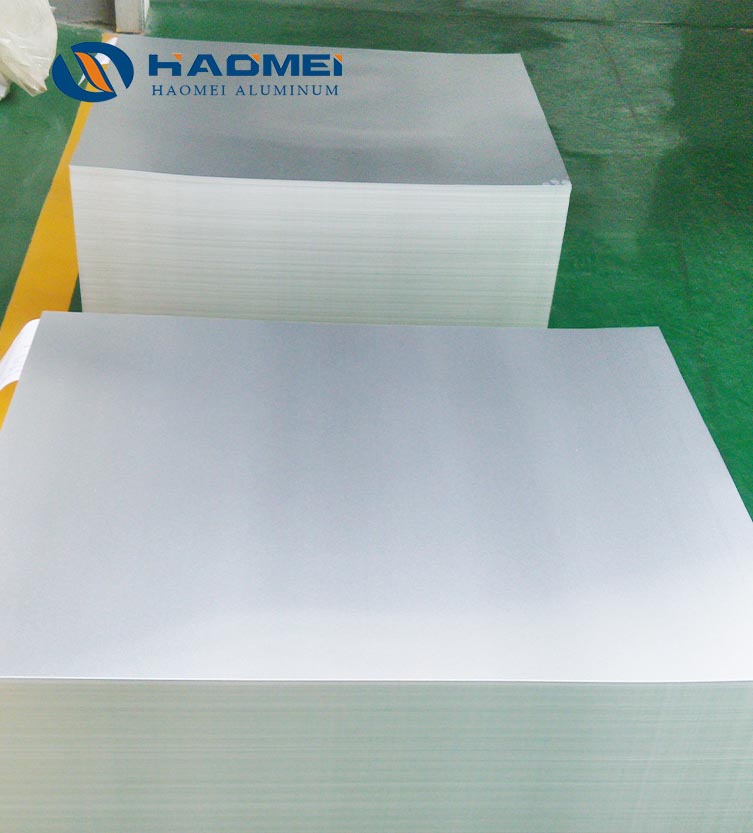
In addition to the conventional coatings mentioned above, some plain aluminium sheets are coated with DOS oil (dioctyl sebacate). DOS oil primarily serves as a lubricant and facilitates mold release, making cap stamping easier and improving the cap's sealing performance. However, it is important to note that DOS oil, as a substance that comes into indirect or direct contact with food, must also meet strict food safety requirements and cannot be overlooked.
Specific requirements include: Firstly, DOS oil must be produced using food-grade raw materials, with high purity, free of impurities and odors, and must not contain heavy metals, harmful additives, or other substances. Secondly, the amount of DOS oil applied must be strictly controlled, neither too much nor too little. Too much oil will cause the oil film to peel off, mixing with contents and affecting taste and safety, while too little oil will not provide lubrication and demolding.
At the same time, it must be ensured that the oil film is uniform, without accumulation or exposure to the substrate. Finally, the smooth aluminum sheet coated with DOS oil must pass the GB 4806.10-2016 standard test. If exported, it must meet the migration requirements of corresponding international certifications such as the FDA to ensure that the DOS oil does not cause harmful migration and to guarantee food safety.
Tags: bottle cap material |
Original Source: https://www.alclosuresheet.com/a/the-choice-of-coatings-for-aluminum-closure-sheets.html
Product
Painted aluminum
Plain Aluminum
Alloy
5182
3105
3104
8011
Application
Medical bottle cap
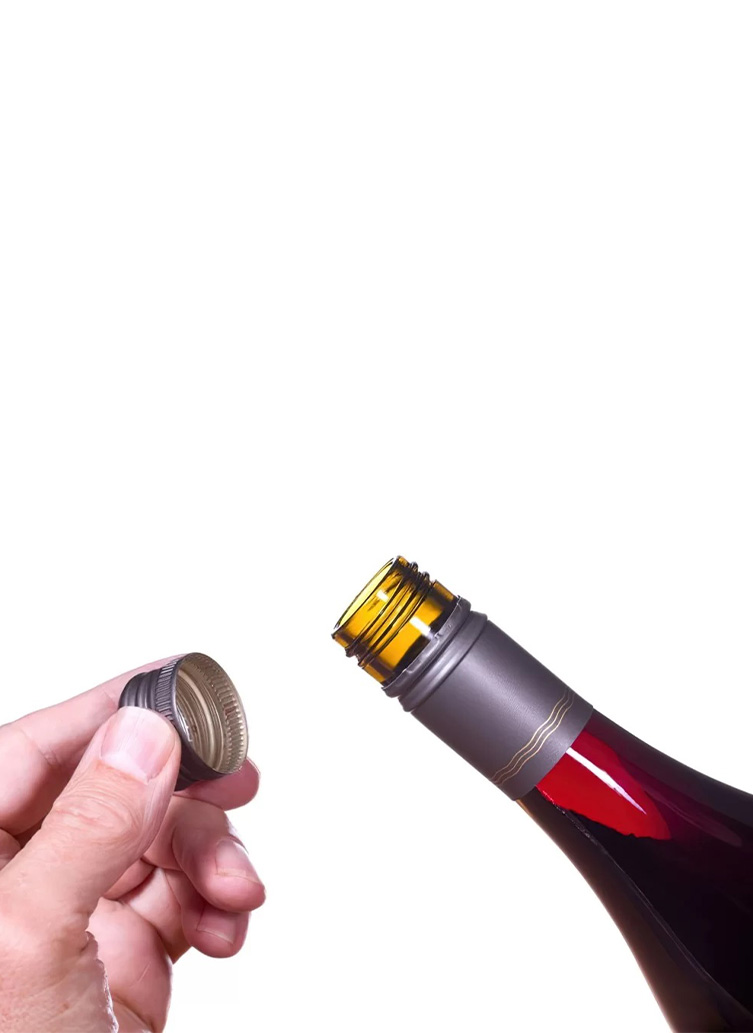
Red wine cap
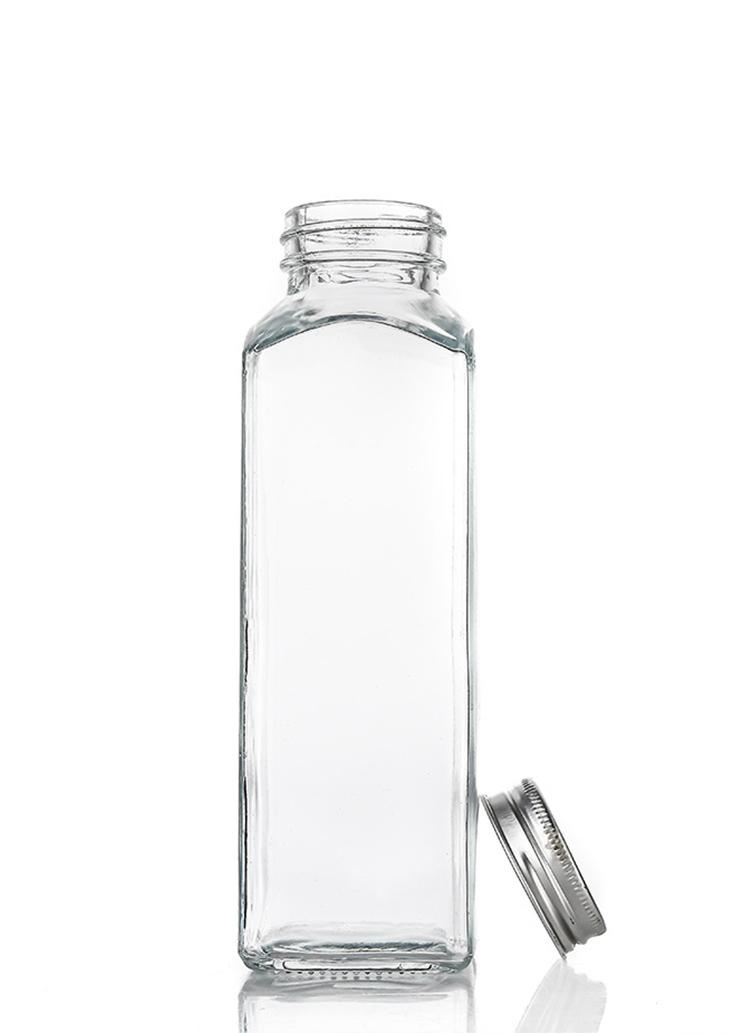
Beverage cap
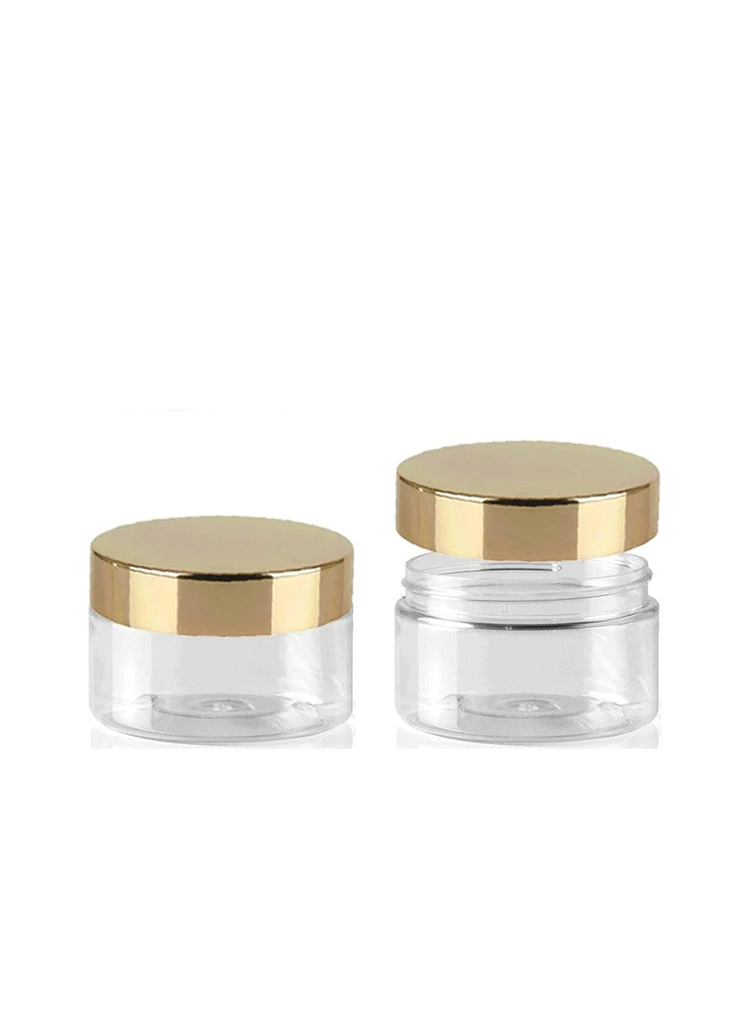
Jar bottle cap

+86-15978414719


+86-15978414719


sale@alumhm.com